Story Highlights
- President Donald Trump urged Israeli Prime Minister Benjamin Netanyahu to act more responsibly in Lebanon and reduce civilian casualties.
- Continued fighting between Israel and Hezbollah has become an immediate test of the newly signed U.S.-Iran ceasefire agreement.
- Trump is attempting to preserve the diplomatic breakthrough without abandoning America’s longstanding security partnership with Israel.
What Happened
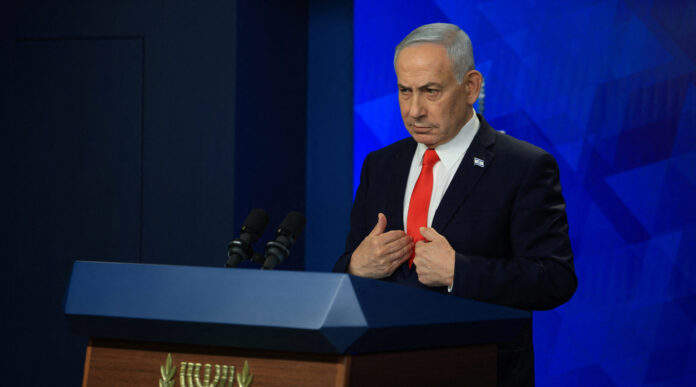
President Donald Trump publicly pressured Israeli Prime Minister Benjamin Netanyahu to limit military operations in Lebanon as renewed Israeli strikes threatened to complicate the U.S.-Iran peace framework.
Speaking during the G7 summit in France, Trump said he was unhappy with Israel’s handling of its campaign against Hezbollah and argued that Netanyahu needed to be more responsible.
Trump specifically criticized strikes on residential buildings in Beirut, saying military operations aimed at Hezbollah should not result in unnecessary civilian deaths.
- Trump described recent Israeli actions in Lebanon as excessive.
- He said Israel should use a more restrained approach against Hezbollah.
- The president maintained that his overall relationship with Netanyahu remains strong.
The criticism followed Israeli attacks against Hezbollah positions shortly before Washington and Tehran completed their interim agreement.
Trump had already urged all regional parties to stop launching new attacks while U.S., Iranian and Pakistani officials worked to finalize the document.
The agreement, now signed by Trump and Iranian President Masoud Pezeshkian, extends the ceasefire for 60 days and establishes a process for negotiations over Iran’s nuclear program, sanctions and regional security.
The published framework also calls for an end to military operations across connected fronts, including Lebanon.
Israel was not a direct signatory to the agreement, creating uncertainty over whether Washington can require Netanyahu’s government to follow provisions negotiated with Tehran.
Israeli officials have maintained that their military will continue acting against Hezbollah when they believe Israeli security is threatened.
Why It Matters
The dispute matters because fighting in Lebanon could undermine the most important diplomatic agreement of Trump’s second term.
Iran has argued that continued Israeli strikes or occupation of Lebanese territory would violate the wider ceasefire envisioned in the agreement.
If Tehran uses Israeli actions as grounds to suspend compliance, negotiations over nuclear restrictions, sanctions relief and the Strait of Hormuz could quickly collapse.
- Renewed fighting could threaten the 60-day negotiating period.
- A collapse could delay the reopening of global energy routes.
- Trump must influence regional actors who did not directly sign the agreement.
Trump’s public criticism demonstrates that he is willing to place pressure on a close ally when Israeli military decisions conflict with broader American diplomatic objectives.
Supporters may view the intervention as evidence that Trump is protecting an agreement designed to reduce danger to American troops, lower energy prices and prevent a larger regional war.
The president is not abandoning Israel’s right to defend itself.
Instead, he is arguing that military operations should be targeted, proportionate and consistent with the diplomatic strategy now being implemented.
The neutral concern is that Hezbollah remains an armed organization supported by Iran and capable of threatening northern Israel.
Israeli leaders argue that withdrawing too quickly or limiting strikes could allow Hezbollah to rebuild positions near the border.
Political and Public Context
Trump and Netanyahu have maintained a close but occasionally difficult relationship.
The president has strongly supported Israel’s security while also criticizing Israeli operations that he believes are prolonged, politically damaging or inconsistent with American priorities.
The Lebanon dispute reflects a wider difference over what should happen after the U.S.-Iran agreement.
- Trump wants the ceasefire to produce regional de-escalation.
- Netanyahu wants freedom to continue operations against Hezbollah.
- Iran is attempting to connect sanctions and nuclear talks to Israel’s conduct.
Trump’s position allows him to present himself as the central mediator capable of pressuring both Iran and Israel.
He has warned Tehran that American strikes could resume if Iran violates the agreement, while telling Israel that excessive operations could weaken the same diplomatic framework.
That balanced pressure may strengthen Trump’s claim that the United States is directing the peace process rather than simply accepting the demands of either side.
However, the president also faces political pressure at home.
Republican supporters of Israel may resist any arrangement that appears to restrict Israeli military freedom or strengthen Hezbollah.
America First conservatives are more likely to support Trump’s effort to prevent renewed fighting and reduce the possibility of another prolonged U.S. conflict.
Democrats will likely support efforts to protect civilians while demanding clearer explanations of how Israel, Lebanon and Hezbollah fit within the agreement’s enforcement structure.
What Happens Next
The immediate test will be whether Israel reduces its strikes and whether Hezbollah stops attacks against Israeli forces and territory.
G7 leaders have called for an immediate ceasefire in Lebanon, giving Trump additional international support for pressuring both sides to stand down.
American diplomats may attempt to negotiate a separate arrangement covering Israeli withdrawal, Lebanese border security and the disarmament or containment of Hezbollah forces.
- Watch whether Israel reduces airstrikes in Lebanon.
- Monitor whether Hezbollah halts attacks and military movements.
- Follow negotiations over Israeli positions in southern Lebanon.
- Track whether Iran continues implementing the U.S. agreement.
The Trump administration will also need to clarify whether an Israeli violation automatically affects American obligations under the U.S.-Iran memorandum.
Iran may attempt to use developments in Lebanon to delay nuclear concessions while continuing to seek sanctions relief and access to frozen assets.
Trump is likely to reject any attempt by Tehran to abandon its commitments because of military actions Washington did not authorize.
At the same time, he may use American military assistance, diplomatic support and direct communication with Netanyahu as leverage to encourage Israeli restraint.
For Trump, the strongest outcome would be a Lebanon ceasefire that protects Israel, weakens Hezbollah’s ability to attack and prevents the Iran agreement from collapsing.
Failure to contain the fighting could force the president to choose between supporting Israeli military operations and preserving a peace framework he has presented as a major diplomatic achievement.
Sources
- Reuters: Trump Criticizes Israel’s Tactics in Lebanon
- Reuters: G7 Leaders Demand Lebanon Ceasefire and Welcome Iran Deal
- Reuters: Iran Links Lasting Peace to Israeli Withdrawal From Lebanon
- CBS News: Trump Says Netanyahu Must Be More Responsible in Lebanon
- Associated Press: U.S.-Iran Agreement Faces Regional Implementation Challenges