Story Highlights
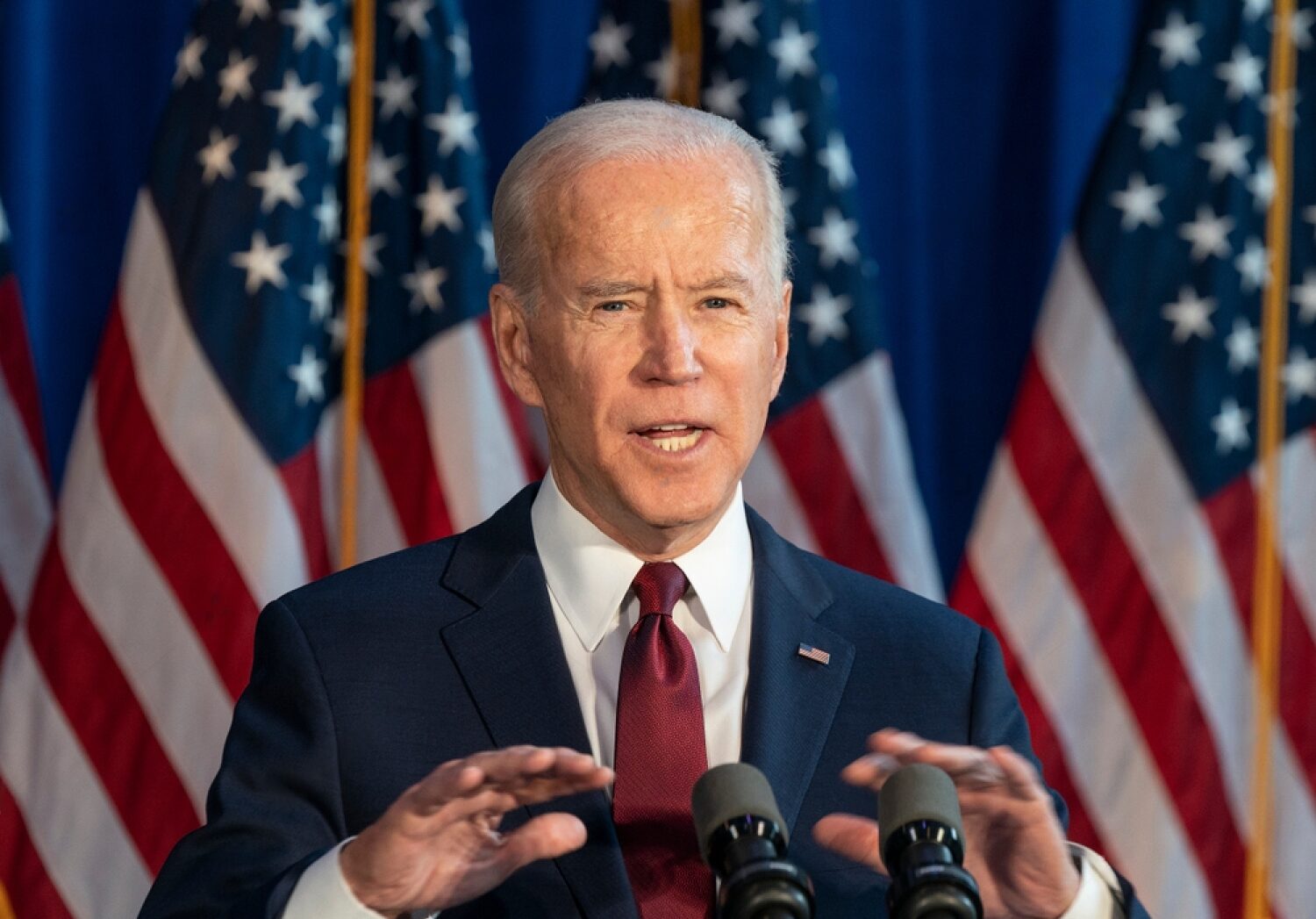
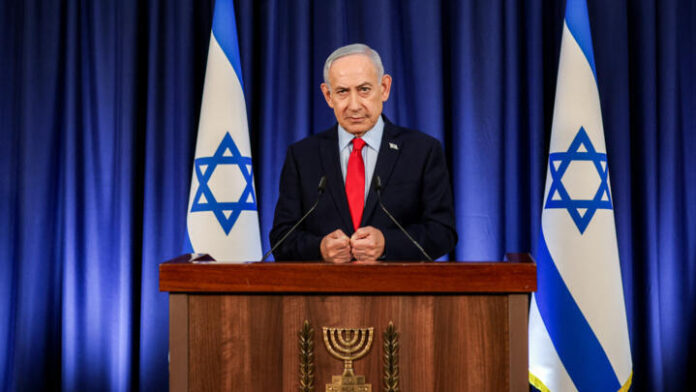
- President Trump and Israeli Prime Minister Benjamin Netanyahu are showing signs of disagreement over how to manage the Iran conflict.
- Trump has pushed for de-escalation as ceasefire and nuclear diplomacy efforts continue.
- Netanyahu has maintained a tougher posture, especially over Israel’s military operations tied to Lebanon and Iran-backed threats.
What Happened
President Donald Trump and Israeli Prime Minister Benjamin Netanyahu are facing new tension over the direction of the Iran war, as ceasefire talks and nuclear diplomacy remain fragile.
The dispute centers on how far Israel should go militarily while the United States tries to preserve a diplomatic track with Tehran. Trump has emphasized the need to keep talks alive, while Netanyahu has continued to signal that Israel may take additional military action if it believes its security is threatened.
- Trump has pushed for restraint as negotiations continue.
- Netanyahu has defended Israel’s right to keep military pressure on its enemies.
- The disagreement comes as U.S.-Iran talks remain active but uncertain.
Secretary of State Marco Rubio told Congress that Iran has shown willingness to discuss aspects of its nuclear program, a development the administration has presented as a possible diplomatic opening. Rubio cautioned that no deal is guaranteed, but said the talks remain important.
That diplomatic opening has made Israeli military decisions more sensitive. Any major escalation involving Lebanon, Hezbollah, or Iran-backed forces could disrupt negotiations and make it harder for the United States to claim progress toward ending the conflict.
Why It Matters
The Trump-Netanyahu relationship has been central to U.S. and Israeli strategy in the Middle East. Both leaders have generally projected unity, especially on Iran. But even tactical disagreements can matter when active military operations and ceasefire talks are unfolding at the same time.
For Trump, the challenge is balancing military strength with a political need to show a path toward resolution. For Netanyahu, the challenge is maintaining Israeli deterrence while facing pressure from Washington not to widen the conflict.
- A public split could weaken the appearance of U.S.-Israeli unity.
- Israeli escalation could complicate U.S.-Iran diplomacy.
- A successful diplomatic track could give Trump a major foreign policy win.
The stakes are also high for American forces in the region. U.S. troops, bases, and naval assets remain exposed to potential retaliation if the conflict expands. That makes coordination between Washington and Jerusalem critical.
The disagreement also comes as Congress grows more skeptical of the administration’s handling of the war. Lawmakers have demanded more information about U.S. objectives, costs, and the legal basis for continued military involvement.
Political and Public Context
Trump has built much of his foreign policy brand around projecting strength while also arguing that he can end wars through direct pressure and negotiation. The Iran conflict tests both sides of that argument.
If Trump can secure a ceasefire or nuclear understanding while keeping Israel aligned, he can present the outcome as evidence that pressure worked. If talks collapse because of new escalation, critics will argue that the administration never had a stable strategy.
- Republicans are divided between escalation hawks and restraint-minded conservatives.
- Democrats are pressing the administration over war powers and congressional oversight.
- Netanyahu faces domestic pressure from Israeli hardliners who want continued military action.
Netanyahu’s political position also matters. His coalition relies on hard-right partners who are unlikely to welcome restraint if they believe Israel’s enemies are regrouping. That limits his flexibility, even when Washington urges caution.
For Trump, the political calculation is different. The longer the conflict continues, the more voters may connect the war to fuel prices, regional instability, and doubts about whether the administration has a clear endgame.
Economic and Global Context
The Iran conflict continues to affect global energy markets and regional security. Oil prices have moved sharply in response to ceasefire developments, shipping concerns, and fears of wider conflict near the Strait of Hormuz.
Recent market moves showed how sensitive traders remain to any sign of de-escalation. Reuters reported that oil prices fell after hopes rose around regional ceasefire efforts and possible progress in U.S.-Iran talks. That reaction shows how much economic pressure is tied to the war’s next phase.
- Energy markets are watching ceasefire talks closely.
- Shipping routes near the Gulf remain a major global concern.
- Any escalation involving Israel, Lebanon, or Iran could quickly affect fuel prices.
For U.S. consumers, the conflict can show up through gasoline prices, shipping costs, and broader inflation pressure. For allies, the question is whether Washington can manage Israel, deter Iran, and still produce a diplomatic outcome.
What Happens Next
The next phase depends on whether U.S.-Iran diplomacy can continue without being overtaken by events on the battlefield. Rubio has said talks remain possible, but the administration is also warning that military options remain available if Iran escalates.
Netanyahu is likely to keep insisting that Israel will act independently when it sees direct security threats. That means U.S. officials may continue pushing privately for restraint while publicly emphasizing alliance unity.
- Washington will try to keep nuclear and ceasefire talks alive.
- Israel may continue limited operations while avoiding wider escalation.
- Congress is expected to keep pressing the Trump administration for answers on strategy and war powers.
For now, the Trump-Netanyahu split appears to be a tactical disagreement rather than a full alliance rupture. But in a fast-moving war, tactical disagreements can quickly become strategic problems.
The outcome will depend on whether Trump can keep Netanyahu aligned long enough to test the diplomatic opening with Iran — and whether Iran is actually prepared to make concessions that could move the conflict toward an end.
Sources
- Trump, Rubio say talks with Tehran ongoing despite Iranian media claims otherwise
- Oil settles lower on hopes for Iran deal following Israel-Lebanon ceasefire
- Trump says Israel, Hezbollah to stop fighting: What we know
- Why Trump isn’t rushing back into war with Iran — despite Tehran’s provocations
- Netanyahu: Iran regime’s days are numbered and Israel will ‘help’ bring it down