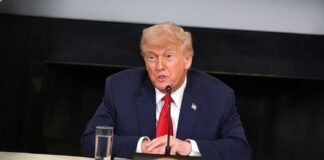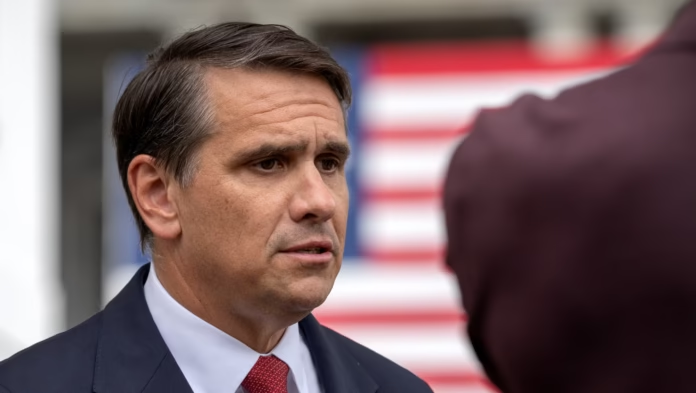
President Donald Trump’s $1.776 billion “anti-weaponization fund” has been brought to a standstill after a federal judge temporarily blocked its operations and Senate Republicans pushed back hard enough to threaten a key piece of the administration’s legislative agenda. The bipartisan resistance has exposed a rare fracture within the GOP, with some of Trump’s own Senate allies publicly questioning the fund’s legality and demanding greater transparency before any money changes hands.
Story Highlights
- A federal judge temporarily halted operations of President Trump’s proposed $1.8 billion anti-weaponization fund.
- Several Senate Republicans have raised concerns about the program’s structure, oversight, and legal authority.
- The controversy has complicated negotiations surrounding a broader immigration and border security package.
What Happened
A federal judge has temporarily blocked President Donald Trump’s proposed $1.8 billion anti-weaponization fund, creating a new legal and political challenge for the administration as it works to advance key legislative priorities.
U.S. District Judge Leonie Brinkema ordered the Department of Justice to pause activities related to the fund while the court reviews legal challenges brought against the program. The order prevents federal officials from transferring funds, reviewing claims, or issuing payments until further proceedings take place.
The anti-weaponization fund was established to provide compensation to individuals who claim they were unfairly targeted by federal investigations or government actions during previous administrations. Supporters of the initiative argue that some Americans faced politically motivated treatment and deserve a pathway to seek restitution.
Critics, however, contend that the administration may lack the authority to create such a program without explicit congressional authorization. Legal challenges filed against the fund argue that Congress—not the executive branch—holds primary authority over federal spending decisions.
The court has not yet ruled on the ultimate legality of the fund. The current order serves as a temporary pause while those constitutional and statutory questions are reviewed.
Senate Republicans Push Back
The legal battle has been accompanied by growing concerns among some Senate Republicans.
Several GOP lawmakers have questioned how the fund would operate, who would qualify for compensation, and what oversight mechanisms would govern the program. Senate Majority Leader John Thune indicated that lawmakers received little advance notice regarding the fund’s creation, while other senators have called for additional transparency before any taxpayer funds are distributed.
The controversy has also complicated ongoing negotiations surrounding a major immigration and border security package backed by the White House. Some lawmakers have signaled they would like greater clarity regarding the fund before moving forward with unrelated legislative priorities.
Despite those concerns, other Republicans have defended the broader goal of addressing what they view as past government overreach and politically motivated enforcement actions.
Why It Matters
The dispute raises significant constitutional questions regarding the separation of powers between Congress and the executive branch.
At the center of the debate is whether a president can establish and fund a compensation program through executive action or whether such a program requires direct authorization from Congress. The answer could have implications far beyond this specific fund and may influence future administrations of either party.
The case also highlights ongoing tensions between the Trump administration and the federal judiciary, which has repeatedly been asked to review executive actions on issues ranging from immigration to federal spending.
For supporters of the fund, the issue is about providing relief to individuals who believe they were unfairly targeted by government institutions. For critics, the primary concern is ensuring taxpayer funds are distributed only through processes authorized by Congress and subject to appropriate oversight.
Economic and Political Impact
The proposed fund represents a substantial federal commitment, totaling approximately $1.8 billion. As a result, lawmakers from both parties are closely examining how the program would be financed, administered, and monitored.
The controversy comes at a time when Congress is debating several major spending and immigration measures, increasing the political stakes surrounding the court challenge. Any prolonged legal battle could delay decisions on related legislative priorities and create additional friction within Republican ranks.
While the immediate economic impact is limited because the fund has not begun operating, the outcome could establish important precedents regarding executive spending authority and future compensation programs.
What Happens Next
The administration is expected to defend the fund aggressively in court, arguing that the program falls within its legal authority and serves an important public purpose.
Opponents will continue pressing constitutional and procedural objections, and the case could ultimately reach higher federal courts if the initial rulings are appealed.
Meanwhile, lawmakers will continue debating whether legislative action is needed to clarify the fund’s status or address the concerns raised by both judges and members of Congress.
For now, the anti-weaponization fund remains on hold, leaving both supporters and critics waiting for the courts to determine whether the program can move forward
Source
Trump’s ‘anti-weaponization fund’ is stalled, and some allies are urging him to scrap it entirely