Story Highlights
Donald Trump says the U.S. remains open to negotiations with Iran.
The administration suggests recent military pressure may have strengthened Washington’s bargaining position.
Diplomacy could follow a period of heightened regional tensions.
What Happened
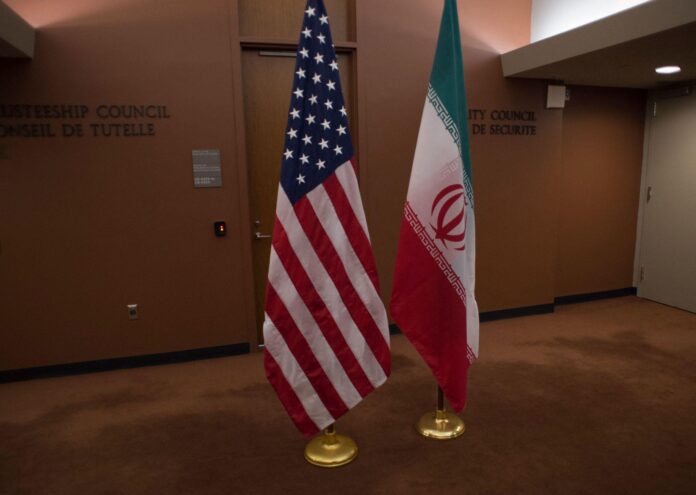
President Donald Trump signaled that the United States is willing to pursue diplomatic engagement with Iran, suggesting the door remains open for negotiations despite recent tensions between the two countries. Speaking to reporters, Trump indicated that Iranian representatives had communicated interest in discussions, adding that Washington would be willing to engage under conditions aligned with U.S. national security priorities.
The comments arrive after a period of elevated military activity and strategic messaging from the United States and its regional partners. Officials within the administration have framed the current posture as a demonstration of strength designed to influence Tehran’s strategic calculations. By maintaining pressure while leaving space for diplomacy, the White House argues that the United States can pursue negotiations from a position of leverage.
Trump’s remarks suggest a familiar approach to international negotiations: combine firm deterrence with willingness to engage in dialogue once adversaries signal readiness. Administration officials emphasize that any talks would focus on regional security concerns, missile programs, and broader stability across the Middle East.
Why It Matters
Relations between the United States and Iran have long been among the most consequential dynamics in global geopolitics. The two countries remain at odds over regional influence, military activities, and nuclear policy. Even limited diplomatic engagement could influence energy markets, regional alliances, and international security frameworks.
For U.S. allies in the Middle East, particularly Israel and Gulf states, Washington’s posture remains a central factor in regional security planning. A credible diplomatic channel could reduce uncertainty while still maintaining pressure on Tehran to modify policies that Washington views as destabilizing.
At the same time, negotiations would take place in a complex geopolitical environment. Major global powers—including Russia, China, and European governments—have their own interests in regional stability and nuclear oversight frameworks. Any talks between Washington and Tehran would likely intersect with broader international diplomatic efforts.
Political and Geopolitical Context
Domestically, Trump’s comments reinforce his administration’s broader strategy of “peace through strength.” Supporters argue that maintaining robust military readiness while offering diplomacy can produce more durable agreements. The approach attempts to balance deterrence with pragmatism—projecting firmness while avoiding unnecessary escalation.
Geopolitically, the possibility of renewed dialogue could alter strategic calculations across the Middle East. Energy markets are particularly sensitive to developments involving Iran due to its role in global oil supply and its proximity to key maritime trade routes such as the Strait of Hormuz. Even early signs of diplomacy can influence market expectations and investor sentiment.
Analysts also note that negotiations—if they occur—would likely be gradual and complex. Issues ranging from sanctions frameworks to regional security arrangements could require extensive discussion. Nevertheless, the mere possibility of talks represents a shift from purely confrontational messaging to a more nuanced strategic posture.
Implications
If preliminary signals lead to formal negotiations, Washington could leverage its current strategic position to pursue agreements aimed at reducing regional tensions and enhancing security guarantees. However, diplomatic progress will depend on mutual confidence, verification mechanisms, and sustained international engagement. For now, Trump’s remarks suggest that while pressure remains central to U.S. policy, diplomacy remains firmly on the table.