Story Highlights
- Russian public perception data indicates citizens view Western nations as a greater threat than their own government
- The exclusion of the Yabloko party from upcoming Duma elections reflects Kremlin strategy to manage political competition
- Recent polling shows approximately two-thirds of Russians support military operations in Ukraine
- Analysis suggests Western pressure may paradoxically reinforce rather than weaken central authority in Russia
What Happened
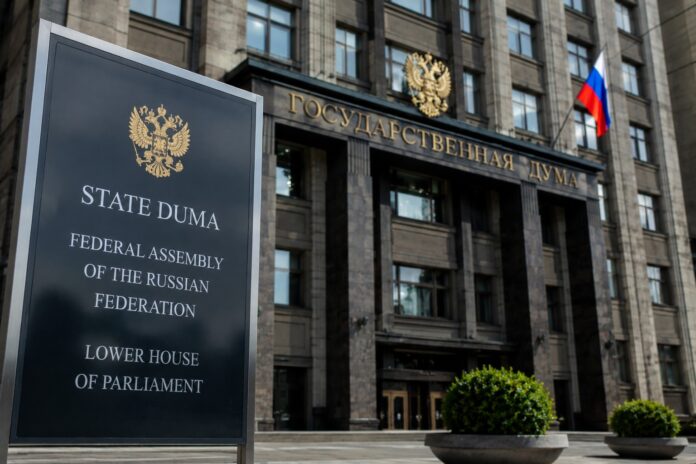
Russia’s liberal Yabloko party was removed from the ballot for upcoming elections to the Duma, Russia’s lower parliamentary chamber. This exclusion has drawn significant attention from international observers and analysts tracking political developments within the Russian system. The timing coincides with ongoing military operations in Ukraine and sustained Western economic sanctions against Moscow. Additionally, Russia’s state-run bank VEB terminated its chief economist Andrey Klepach, reportedly following the official’s public pessimistic assessments regarding Russia’s economic trajectory.
The Yabloko party exclusion represents a continuation of long-standing Kremlin practices regarding ballot management and political competition. Historical parallels exist to 2012, when the party’s founder was removed from the presidential ballot during a period of significant public protest against government policies. Political analysts have noted that such administrative measures serve multiple purposes within the Russian political system, including vote redistribution among officially approved parties and prevention of unexpected electoral outcomes.
- Yabloko party removed from Duma election ballot
- State economist Andrey Klepach fired from VEB for negative economic forecasts
- Upcoming elections scheduled for Russia’s lower parliamentary chamber
- Western sanctions and Ukrainian military operations continue
Why It Matters
The relationship between external geopolitical pressure and internal political dynamics in Russia carries significant implications for regional stability and international relations. When Western governments implement sanctions and military support for Ukraine, the intended effect may be challenged by unintended consequences within Russian domestic politics. Evidence suggests that many Russian citizens perceive external threats as more immediate and serious than internal governance concerns, potentially consolidating support for existing leadership during periods of perceived external pressure.
Public opinion data reveals that approximately 66 percent of Russians support military operations in Ukraine according to available polling. Simultaneously, 62 percent of respondents indicate preference for diplomatic solutions over prolonged conflict. This apparent contradiction reflects complex public sentiment that encompasses both acceptance of current military engagement and desire for resolution. The persistence of these polling numbers above the 50 percent threshold since the conflict’s inception suggests that external pressure has not substantially shifted underlying Russian public attitudes toward their government or military policy.
The Yabloko exclusion affects the opposition landscape by removing a quasi-liberal party from electoral competition. Historical precedent indicates the Kremlin maintains control through a mixture of administrative decisions and propaganda methods that preserve a political status quo favorable to existing power structures. Such measures target parties that might unexpectedly exceed electoral thresholds or disrupt carefully managed political competition among officially tolerated actors.
- Western pressure may inadvertently strengthen public support for existing authority
- Approximately two-thirds of Russians currently support military operations in Ukraine
- Opposition parties face administrative constraints that limit electoral viability
- Public perception of external threat outweighs internal governance concerns among significant population segments
Political and Public Context
Russia’s political system incorporates multiple mechanisms for managing electoral outcomes and controlling participation. The Yabloko party has historically represented liberal opposition within the officially sanctioned political space, but lacks genuine capacity to challenge systemic control structures. The party’s presence or absence from elections serves administrative rather than substantive competitive purposes within the Russian political framework.
The historical record shows similar exclusions occurred during periods of heightened public discontent, such as the Bolotnaya protests of 2011-2012. In that instance, the Kremlin employed both repressive and propagandist methods to preserve existing power structures. Current political maneuvers appear consistent with established patterns of ballot management and opposition constraint rather than representing responses to new internal threats.
International sanctions and military support for Ukraine remain central to Western policy toward Russia. These measures reflect Western strategic objectives regarding the conflict in Ukraine and broader competition with Russia. However, the relationship between external pressure and internal political consolidation presents a complex dynamic worthy of analytical attention. The gap between Western expectations regarding internal Russian political instability and actual public sentiment data suggests analytical reassessment may be warranted.
- Yabloko exclusion mirrors 2012 removal of party founder from presidential ballot
- Kremlin employs administrative control methods established over multiple election cycles
- Russian public opinion has remained relatively stable despite external pressures
- Wagner Group mutiny in 2023 and Kursk incursion in 2024 failed to produce predicted internal instability
As Russia struggles to advance in Ukraine amid increasing Ukrainian strikes in Russia, Putin is escalating his gray zone campaign against Kyiv’s European allies, writes Peter Dickinson (@Biz_Ukraine_Mag).
Read more ⤵️ https://t.co/mdrtpePAPQ
— Atlantic Council (@AtlanticCouncil) August 21, 2026
What Happens Next
Upcoming Duma elections will proceed with the Yabloko party excluded from the ballot, resulting in a modified electoral landscape focused on officially approved parties and candidates. The extent to which this exclusion affects overall electoral dynamics remains uncertain, though historical precedent suggests minimal substantive impact on parliamentary composition. The Kremlin’s preferred quasi-liberal competitor, the New People party, will face reduced competition from alternative liberal candidates who might otherwise present unexpected electoral challenges.
International observers will continue monitoring Russian political developments for signs of internal instability or changing public attitudes. However, available polling data provides limited evidence of significant shifts in public opinion regarding military operations or governmental authority. Western policy toward Russia will likely persist in current directions, including sanctions and military support for Ukraine, regardless of their effects on Russian domestic political consolidation.
The broader question of whether external pressure strengthens or weakens Russian government authority remains analytically unresolved. Evidence of stable public support for military operations and continued electoral management suggest that Western belligerence may produce effects contrary to stated objectives. Future developments will depend on the trajectory of the Ukraine conflict, economic consequences of sanctions, and Russian public perception of external threats relative to internal governance concerns.
- Duma elections will proceed with modified party participation
- Public opinion polling will continue to track Russian attitudes toward conflict and governance
- Western sanctions and military support policies may continue despite potential unintended consolidation effects
- Economic consequences of sanctions will influence long-term public sentiment and political stability