Story Highlights
- Sen. Bernie Moreno proposes legislation for $5,000 checks funded by tariffs.
- The initiative aims to provide economic relief to struggling American families.
- Payments would be restricted to domestic spending, aligning with Trump’s vision for American prosperity.
- The plan could significantly impact the economy, especially if Republicans maintain control of Congress.
What Happened
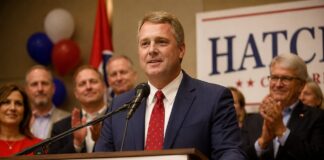
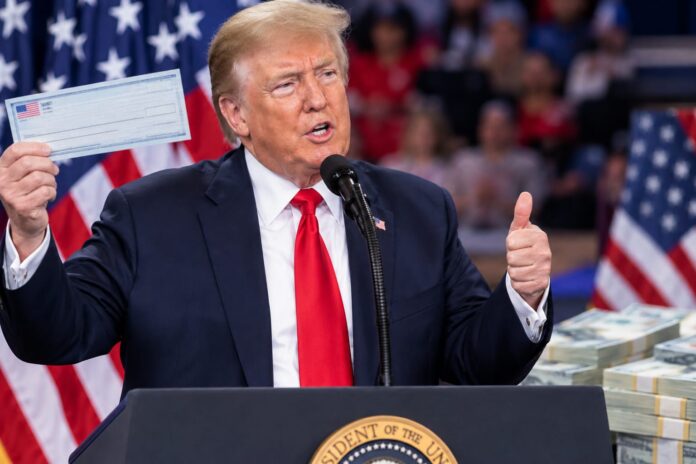
In a bold move to address the economic struggles faced by many American families, Sen. Bernie Moreno, a Republican from Ohio, is championing a plan to implement President Trump’s proposal for $5,000 checks. This initiative, which aims to provide direct financial relief to citizens, is designed to be funded through tariffs rather than taxpayer dollars. The senator’s proposal comes at a crucial time, as the nation prepares for the upcoming midterm elections, where the balance of power in Congress could shift.
Moreno’s plan is not just about handing out checks; it is rooted in a broader economic strategy that seeks to ensure that funds are spent within the United States. By requiring that the money be used domestically, the initiative aligns with Trump’s vision of fostering American prosperity and supporting working families. The senator has emphasized that this dividend would allow Americans to share in the nation’s wealth, a sentiment that resonates deeply with many voters who have felt the economic pinch in recent years.
- Sen. Bernie Moreno introduced the plan to implement $5,000 checks.
- The funding mechanism relies on tariffs, termed as ‘market access fees.’
- Moreno aims to push the legislation after the midterm elections.
- The proposal could cost approximately $1.2 trillion.
Why It Matters
The significance of this proposal cannot be overstated. As inflation continues to impact the purchasing power of American families, the need for direct financial assistance has become increasingly urgent. The Biden administration’s policies have led to rising costs of living, leaving many families struggling to make ends meet. In this context, Trump’s $5,000 checks could serve as a lifeline for those who are feeling the economic strain.
Moreover, the plan’s reliance on tariffs rather than taxpayer funding is a crucial aspect that sets it apart from traditional welfare programs. By implementing a system where foreign companies must either produce goods in the U.S. or pay a fee to access the American market, the initiative not only generates revenue for the dividend checks but also encourages domestic manufacturing. This approach aligns with the administration’s broader economic goals of revitalizing American industry and creating jobs.
- Working families could receive much-needed financial relief.
- The plan promotes domestic spending, potentially boosting local economies.
- It encourages foreign companies to invest in U.S. manufacturing.
- The initiative could reshape the narrative around fiscal responsibility in Congress.
Political and Public Context
To fully understand the implications of Moreno’s proposal, it is essential to consider the current economic landscape. The federal deficit has soared to $40 trillion, raising concerns about fiscal responsibility among lawmakers. The Republican Party has positioned itself as the party of fiscal conservatism, advocating for responsible spending and economic policies that benefit American families. In this light, the $5,000 checks could serve as a powerful tool for Republicans to demonstrate their commitment to supporting working Americans while maintaining a focus on fiscal responsibility.
Additionally, the proposal comes at a time when many Americans are disillusioned with the current administration’s handling of the economy. The Biden years have been marked by rising inflation and increased costs for everyday goods, leading to widespread dissatisfaction among voters. By presenting a tangible solution to these issues, the GOP could galvanize support and energize its base ahead of the midterm elections.
- The federal deficit has reached $40 trillion, raising concerns about spending.
- The Republican Party is positioning itself as the party of fiscal responsibility.
- Many Americans are dissatisfied with the current administration’s economic policies.
- The proposal could reshape the political landscape ahead of the midterms.
The White House is doubling down on President Trump's promise to deliver $5,000 checks to American adults.
Here's how it's supposed to work.https://t.co/2TPK8bpitP
— Axios (@axios) September 11, 2026
What Happens Next
Looking ahead, the success of Moreno’s proposal hinges on several factors, including the outcome of the midterm elections. If Republicans can maintain control of both chambers of Congress, there is a greater likelihood that the legislation will be passed and implemented. However, if the Democrats regain power, the initiative could face significant hurdles, as the party has historically favored different approaches to economic relief.
Furthermore, there are open questions regarding the specifics of the tariff structure and how it will be implemented. The administration will need to carefully navigate the complexities of international trade agreements and ensure that the tariffs do not lead to unintended consequences, such as retaliatory measures from foreign governments. As the political landscape evolves, it will be crucial for supporters of the plan to remain vigilant and advocate for its passage.
- The outcome of the midterm elections will significantly impact the proposal’s future.
- Details regarding the tariff structure will need to be clarified.
- Supporters must advocate for the plan to ensure its passage.
- Potential international trade implications will need to be addressed.