Story Highlights
- President Trump told a reporter aboard Air Force One, “If I go, you go,” when asked about threats from Iran.
- The remark came as tensions with Tehran escalated after renewed U.S. strikes and the collapse of a fragile ceasefire.
- The Secret Service reportedly advised against using Trump’s newer Qatari-donated aircraft for the return trip from the NATO summit.
What Happened
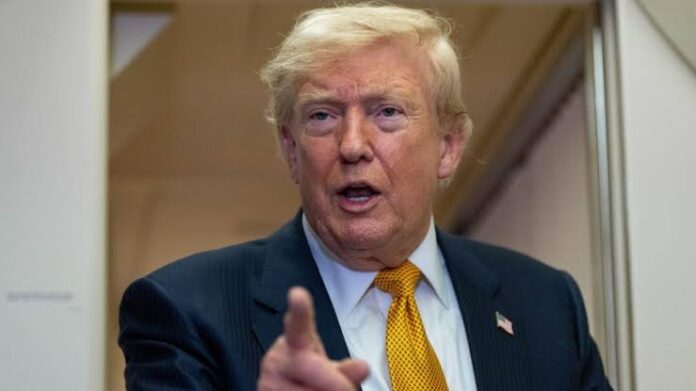
President Donald Trump delivered a blunt warning aboard Air Force One after being asked whether Iran had made any credible threat against the presidential aircraft.
Trump told reporters that he faces threats constantly and said Iran views him as its top target. Then, addressing the reporter directly, he said, “But if I go, you go,” before joking that some members of the press might want to change professions.
The exchange came shortly after the United States launched fresh strikes on Iran and Trump declared that the fragile ceasefire between Washington and Tehran was “over.”
- Trump said he is “No. 1” on Iran’s target list.
- The comment was made during a press gaggle aboard Air Force One.
- The remarks followed renewed U.S. military action against Iran.
The moment also drew attention because Trump returned from the NATO summit in Ankara on the older Air Force One rather than the newer Boeing 747-8 gifted by Qatar and unveiled last month.
Trump initially said the newer aircraft had been sent to Royal Air Force Mildenhall in the United Kingdom so American troops could see it. But reports later said the Secret Service had advised against using the Qatari jet for the return flight because of security concerns tied to the Iran conflict.
Questions have since grown over whether the Qatari-donated aircraft carries the same missile detection, communications, and countermeasure systems as the long-standing presidential fleet.
Why It Matters
The episode matters because it shows how seriously the Iran conflict is now affecting presidential security.
For Trump and his supporters, the president’s remarks reflect the reality of leading during wartime. Trump is publicly acknowledging the danger while also projecting confidence, humor, and defiance in the face of Iranian threats.
His message was clear: Iran may target him, but he is not backing away from the conflict or changing his public posture.
- Supporters may see Trump’s remarks as toughness under pressure.
- The Secret Service concerns show the threat environment is being taken seriously.
- The aircraft issue raises questions about whether the new Qatari jet is ready for full presidential use.
For the White House press corps, the comment was unusually direct. Reporters traveling with the president are part of the same security bubble, and Trump’s remark highlighted the shared risks of covering a commander in chief during an active military conflict.
The aircraft issue also matters for taxpayers and national security officials. The Qatari jet has already required major security upgrades, and any doubts about its readiness could fuel new congressional scrutiny.
Political and Public Context
Trump’s comments fit his larger wartime message: Iran should not mistake American caution for weakness.
The president has repeatedly described himself as a target of Tehran, especially after the U.S. and Israel escalated strikes against Iranian leadership and military infrastructure. By saying he is “No. 1” on Iran’s list, Trump is framing the conflict as both a national security struggle and a personal test of leadership.
His supporters are likely to view the moment as another example of Trump speaking plainly under pressure. Critics may argue that the comment was too casual given the seriousness of the threat and the presence of reporters on board.
The Qatari jet adds another layer of political controversy. Since its acceptance, critics have questioned whether a foreign-donated aircraft should be used as part of the presidential fleet. The latest security concerns will likely intensify that debate.
For the administration, the challenge is to show that every presidential travel decision is being made based on security, not optics.
Economic and Global Context
The security questions around the Qatari aircraft come as the broader Iran conflict is already affecting global markets and U.S. foreign policy.
The aircraft was meant to serve as a bridge while the next generation of Boeing-built presidential planes remains delayed. But if the newer jet lacks comparable defensive systems, its role may be more limited than the White House initially suggested.
At the same time, renewed hostilities with Iran have added pressure to oil markets, especially because of fears surrounding the Strait of Hormuz and regional shipping routes.
- The Qatari jet has reportedly required hundreds of millions of dollars in security upgrades.
- Iran tensions are influencing presidential travel and security planning.
- Oil markets remain sensitive to any renewed U.S.-Iran escalation.
The episode shows how quickly a foreign policy crisis can spill into presidential logistics, press safety, energy markets, and congressional oversight.
What Happens Next
Lawmakers and security experts are likely to ask more questions about the Qatari aircraft’s readiness for presidential travel.
That scrutiny may focus on missile countermeasures, secure communications, aircraft hardening, and whether the plane meets the same defensive standards as the older Air Force One fleet.
- Congress may seek more details about the Qatari jet’s security systems.
- The Secret Service may continue limiting when and where the newer aircraft is used.
- Iran’s threats could further shape presidential travel decisions during the conflict.
For Trump, the moment reinforces his message that he is leading under direct threat while refusing to show fear.
For the press corps and national security officials, the exchange is a reminder that presidential travel during an active conflict carries real risk — and that every aircraft decision will now face closer scrutiny.