Story Highlights
- President Donald Trump said, “I love the inflation,” while responding to questions about the latest Consumer Price Index report.
- Trump clarified that inflation remained lower than some analysts had feared despite energy disruptions caused by the Iran conflict.
- Consumer prices increased 4.2 percent over the previous year, largely because of higher gasoline and energy costs.
What Happened
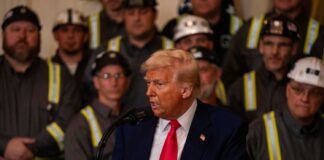
President Donald Trump faced criticism after telling reporters, “I love the inflation,” while discussing new government data showing that consumer prices reached their highest annual rate in three years.
The Bureau of Labor Statistics reported that the Consumer Price Index increased 0.5 percent in May and 4.2 percent over the preceding 12 months. Annual inflation rose from 3.8 percent in April.
Trump made the remark when reporters asked whether he was concerned about the latest figures. He quickly explained that he was emphasizing how the economy had performed better than expected despite the inflationary pressure created by the conflict with Iran.
- Annual inflation reached 4.2 percent in May.
- Core inflation, excluding food and energy, was significantly lower at 2.9 percent.
- Gasoline and shelter were among the largest contributors to the monthly increase.
Trump predicted that inflation would decline sharply once the conflict ends and energy markets stabilize. He argued that the current price increase is primarily the result of a temporary wartime disruption rather than a broad failure of his economic policies.
The president also said his administration had taken action to prevent oil prices from rising even higher. He maintained that without the government’s intervention, the disruption around the Strait of Hormuz could have produced a much more severe energy crisis.
Opponents focused on the phrase “I love the inflation,” arguing that it sounded dismissive of families dealing with higher prices. Trump’s full response, however, showed that he was praising the economy’s resilience rather than celebrating the financial burden inflation places on consumers.
Why It Matters
The controversy matters because inflation remains one of the most politically sensitive economic issues ahead of the midterm elections.
Higher gasoline, transportation and utility expenses can quickly affect household budgets. Even when inflation is driven by an international conflict, voters often hold the president and governing party responsible for changes in everyday costs.
Trump’s opponents are likely to use the remark in campaign advertisements without including his explanation. The phrase provides Democrats with an opportunity to portray the administration as disconnected from the financial concerns of working families.
- The comment can be easily separated from Trump’s broader explanation.
- Energy prices remain highly visible to voters at gasoline stations and on utility bills.
- Continued inflation could complicate Republican economic messaging before November.
The underlying inflation report was more complicated than the headline figure suggests. Core prices increased only 0.2 percent during May and 2.9 percent over the year, indicating that much of the acceleration came from volatile energy costs rather than widespread increases across every part of the economy.
That distinction supports Trump’s argument that prices could fall once the disruption in global oil markets eases. A decline in energy prices would reduce gasoline costs while also lowering transportation and production expenses throughout the economy.
The administration can also point to the resilience of employment and consumer activity as evidence that the economy has not entered a broader crisis.
Nevertheless, Trump’s wording created an avoidable political distraction. Presidents are generally expected to acknowledge the effect of higher prices on families before discussing favorable details within an economic report.
Political and Public Context
Trump returned to the White House promising to reduce inflation, expand domestic energy production and reverse the affordability problems that developed during the previous administration.
Before the Iran conflict disrupted oil shipments, the administration had repeatedly highlighted declining energy costs and improving inflation figures as evidence that its economic approach was working.
The latest increase creates a more difficult political environment, but the White House argues that the primary cause is an external military and energy shock rather than excessive domestic spending or weak economic management.
- Trump says inflation will fall when the Iran conflict ends.
- The White House emphasizes that core inflation remains below the headline rate.
- Democrats argue that voters care more about current prices than the source of the increase.
Trump’s supporters contend that the complete statement has been taken out of context. They argue that the president was expressing satisfaction that inflation had not risen as dramatically as predicted during a major international conflict.
The neutral concern is that even temporary inflation can cause lasting political damage if higher fuel costs spread into groceries, travel, housing and other essential expenses.
The Federal Reserve must also decide whether the energy-driven increase will fade or become embedded in broader consumer prices. Persistent inflation could keep interest rates elevated and increase borrowing costs for mortgages, vehicles and businesses.
For Republicans, the strongest response may be to acknowledge the current pressure while emphasizing Trump’s efforts to restore energy supplies, protect shipping routes and bring the conflict to a conclusion.
What Happens Next
The direction of inflation will depend heavily on energy markets and the course of the Iran conflict.
If shipping conditions improve and oil supplies return to normal, gasoline and transportation prices could decline, supporting Trump’s prediction that inflation will fall rapidly.
If the conflict continues or the Strait of Hormuz remains disrupted, energy prices could stay elevated and place additional pressure on American households.
- Watch whether oil and gasoline prices decline during the coming weeks.
- Monitor whether energy costs begin spreading into food and consumer-goods prices.
- Follow the Federal Reserve’s response to the higher inflation rate.
- Track whether Trump adjusts his economic messaging before the midterms.
The next Consumer Price Index report will help determine whether May’s increase was primarily a temporary energy shock or the beginning of a more persistent inflation trend.
Trump is expected to continue arguing that his administration prevented the situation from becoming substantially worse and that ending the conflict will provide immediate relief.
Democrats will continue highlighting the president’s remark and the 4.2 percent headline rate. Republicans will likely focus on the lower core rate, the international cause of the energy increase and the administration’s efforts to stabilize supplies.
For Trump, the political challenge will be explaining those distinctions while showing voters that he understands the pressure higher prices place on their families.