Story Highlights
- President Trump described Vladimir Putin as a friend during a press conference following meetings in China with Putin and Xi Jinping
- The president emphasized that maintaining relationships with global leaders serves American interests and provides strategic advantages
- Social media users expressed disapproval of Trump’s comments, questioning his priorities regarding Russia and American security
- The White House maintained that constructive diplomatic channels with foreign powers are essential for national strategy
What Happened
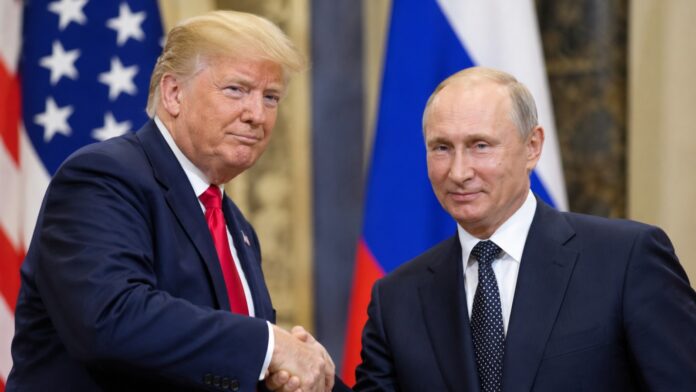
During a press conference held the day after meeting with Russian President Vladimir Putin and Chinese leader Xi Jinping in Shenzhen, China, President Trump responded to questions about his relationship with the Russian leader. When asked whether he considers Putin a friend to America, the president indicated that his personal relationships with heads of state represent a valuable diplomatic asset. Trump noted that he has worked with Putin throughout various political controversies and described their interactions as positive.
The president elaborated on his position by emphasizing that maintaining strong connections with leaders of major world powers serves national interests. He stressed that having productive relationships across the globe, particularly with figures controlling powerful nations, constitutes an advantage for the United States. Trump also offered perspective on the Ukraine conflict, suggesting that the situation should have resolved more quickly than it has.
- Press conference held day after meetings in Shenzhen, China with Putin and Xi Jinping
- CNN reporter Kaitlan Collins posed direct questions about Trump’s relationship with Putin and Russia’s alliance with Iran
- Trump emphasized value of diplomatic relationships with global leaders for American strategic interests
- Response generated substantial negative reaction across social media platforms
Why It Matters
The president’s defense of his relationship with Putin reflects a broader approach to foreign policy centered on direct engagement with world leaders regardless of political tension or historical conflicts. This strategy prioritizes establishing personal rapport as a means of advancing negotiations and preventing escalation on the international stage. By maintaining active communication channels with Russia despite tensions, the administration signals its commitment to diplomacy as a tool for managing geopolitical relationships.
Trump’s remarks underscore a fundamental principle guiding his administration’s approach to global affairs: that personal relationships between leaders can facilitate cooperation on matters ranging from nuclear proliferation to regional conflicts. The president appears to view his ability to communicate effectively with Putin as distinct from evaluating Russia’s broader foreign policy objectives. This perspective reflects confidence in the capacity of direct dialogue to produce outcomes favorable to American interests, even when traditional diplomatic relationships remain strained.
- Direct engagement strategy with world powers aims to prevent escalation and facilitate dialogue
- Personal relationships between leaders presented as distinct from geopolitical competition
- Approach challenges conventional Cold War-era thinking about Russian relations
- Policy reflects belief that communication channels serve American security interests
Political and Public Context
Trump’s comments arrive amid ongoing debate about appropriate American strategy toward Russia, particularly regarding the Ukraine conflict and broader European security. Critics argue that the president’s emphasis on personal friendship undermines concerns about Russian interference and influence operations. Supporters counter that maintaining dialogue with Moscow prevents miscalculation and opens pathways for negotiation on critical issues affecting global stability.
The political divide over Russia policy reflects deeper disagreements about isolationism versus internationalism, as well as differing assessments of Russian intentions and capabilities. Some observers contend that Trump’s willingness to cultivate relationships with authoritarian leaders reflects pragmatism necessary for effective statecraft, while others view such approaches as compromising American values and strategic interests. The president’s characterization of earlier investigations into Russian activities as a hoax provides additional context for understanding his current diplomatic posture.
- Ongoing debate about appropriate U.S. strategy toward Russia and Ukraine continues
- Trump’s approach contrasts with traditional Cold War consensus on Russian relations
- Supporters emphasize pragmatic diplomacy; critics raise concerns about national security priorities
- Broader partisan divide reflects differing foreign policy philosophies about engagement and deterrence
Trump defends calling Russia’s Putin a friend, but says he ‘can’t speak’ to whether he’s a friend to the US https://t.co/yzPebD3j4Y
— The Straits Times (@straits_times) November 20, 2026
What Happens Next
The president’s defense of his Putin relationship will likely continue generating discussion within political circles and media commentary. Future press conferences may bring additional questions about the administration’s Russia policy, particularly regarding Ukraine, economic sanctions, or other regional matters. The White House will presumably continue articulating the rationale for maintaining diplomatic engagement with Moscow as part of a broader strategy addressing multiple theaters and adversaries.
Trump’s approach may influence how other U.S. officials discuss Russia policy publicly, establishing consistent messaging about the administration’s commitment to dialogue and relationship-building. Congressional Republicans and foreign policy experts will likely offer varying assessments of whether personal diplomatic channels are yielding measurable benefits for American interests. The administration’s handling of Russia relations will remain a significant factor in evaluating overall foreign policy success as the president’s term progresses.
- Additional media questions anticipated regarding Russia policy and Trump’s personal diplomatic efforts
- White House expected to continue emphasizing value of direct engagement with global leaders
- Congressional and expert commentary likely to shape broader debate about strategy effectiveness
- Russia policy outcomes will be measured against broader national security and geopolitical objectives