Story Highlights
- Representative Haley Stevens lost Michigan’s Democratic primary in August to Abdul El-Sayed, who now leads Republican candidate Mike Rogers
- Stevens’ fiancé Jason Turkish has launched a public campaign against El-Sayed across multiple media platforms, contradicting Stevens’ stated support
- Turkish attended a Rogers campaign event and made appearances on Fox and Friends and TMZ to criticize El-Sayed
- Stevens’ Democratic colleague Mallory McMorrow expressed confusion about the situation and called for party unity
What Happened
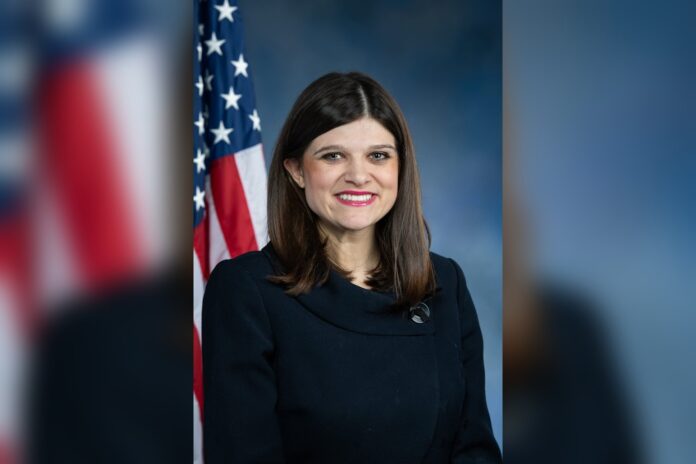
Representative Haley Stevens faced an unexpected complication to her political standing when her recently announced fiancé, Jason Turkish, began making high-profile media appearances to condemn Abdul El-Sayed, the Democratic nominee who defeated Stevens in Michigan’s August senatorial primary. Turkish, who announced his engagement to Stevens less than three months before these events, spent several days appearing on prominent platforms to express opposition to El-Sayed’s candidacy. Turkish’s stated reason for his opposition centered on concerns regarding El-Sayed’s criticism of Israel and its implications for Jewish voters and community safety.
The situation created an apparent rift in messaging. While Stevens told the New York Times that she remained committed to supporting El-Sayed as the Democratic nominee, Turkish made statements on other media outlets suggesting Stevens would withdraw that support. Turkish attended a Rogers campaign event on a Wednesday evening and characterized El-Sayed with harsh language. On Saturday morning, Turkish appeared on Fox and Friends to reiterate his concerns about El-Sayed’s positions. Meanwhile, Stevens found herself in negotiations with El-Sayed over campaign events, demanding a public disavowal of certain advertisements related to Israel policy before agreeing to appear alongside him.
- Stevens lost the Democratic primary to El-Sayed in August 2026
- Turkish announced engagement to Stevens less than three months before the public controversy
- Turkish attended Rogers campaign event and made appearances on Fox and Friends and TMZ
- Stevens publicly maintained support for El-Sayed while her fiancé contradicted this position
Why It Matters
The circumstances surrounding Stevens and Turkish’s public disagreement raised questions about campaign cohesion and Democratic unity during a closely contested Senate race. El-Sayed currently holds only a narrow lead over Rogers, meaning every element of Democratic mobilization and voter confidence potentially affects the outcome. Turkish’s media appearances and contradictory messaging created confusion about Stevens’ actual political stance and introduced uncertainty into the race at a critical moment. The situation also highlighted tensions within Democratic circles regarding Israel policy and how such issues intersect with electoral strategy and community concerns.
For Stevens personally, the episode threatened to diminish her standing within her party. Typically, losing primary candidates either endorse their opponents or remain silent during the general election cycle. Stevens’ fiancé’s intervention represented an unusual and damaging departure from established political norms. The situation attracted negative attention from fellow Democrats, including state Senator Mallory McMorrow, who publicly expressed bewilderment at the developments and called for party members to focus on defeating the Republican candidate rather than engaging in internal disputes.
- El-Sayed’s narrow lead over Rogers makes Democratic voter enthusiasm and unity potentially decisive
- Stevens’ political credibility within Democratic circles appears damaged by the contradictory messaging
- The dispute over Israel policy advertisement and messaging threatens planned campaign events and coordination
- Democratic party unity efforts face complications from the public disagreement during a critical general election phase
Political and Public Context
The conflict emerged within broader Democratic debate over Israel policy and its role in electoral politics. El-Sayed’s criticism of U.S. support for Israel had become a focal point of controversy, particularly regarding an advertisement that Stevens found objectionable. Stevens characterized a specific ad released in support of El-Sayed as antisemitic, though she emphasized that El-Sayed and his campaign did not create or endorse the advertisement. Her demand that El-Sayed publicly disavow the ad before appearing together reflected the sensitivity surrounding these issues within the Democratic Party and among Jewish voters.
Turkish’s emergence as a political actor represented an anomaly in typical campaign dynamics. As a lawyer and fundraiser who had previously given to both Democratic and Republican candidates, Turkish had not previously established himself as a sought-after political surrogate or commentator. His sudden prominence in media appearances and political statements coinciding with his recent engagement to Stevens generated questions about the motivations and coordination behind his activities. Democratic observers noted that his endorsement had not previously attracted media attention before these recent appearances.
- Israel policy and U.S. support criticism have become contentious issues in Michigan Democratic politics
- Turkish has previously given financial support to both Democratic and Republican candidates
- McMorrow, another primary candidate, openly expressed concern about the lack of Democratic focus and discipline
- The situation reflects broader tensions within the Democratic Party regarding policy positions and electoral messaging
Michigan Democratic Senate nominee Abdul El-Sayed’s campaign has asked former primary rival Rep. Haley Stevens to stay away from its remaining events, derailing a planned show of party unity days before Tuesday’s election. https://t.co/hGywJi15pb
— NEWSMAX (@NEWSMAX) October 31, 2026
What Happens Next
The trajectory of the Stevens-Turkish situation remained uncertain as the election cycle progressed. El-Sayed reportedly sought to maintain distance from both Stevens and Turkish, potentially signaling that Democratic leadership viewed the fiancé’s involvement as counterproductive to campaign objectives. Whether Stevens would ultimately meet El-Sayed’s conditions for joint campaign appearances or withdraw from such events remained unclear. The planned Sunday event appeared to depend on resolution of the advertisement controversy and related disputes.
Stevens faced decisions about how to manage her public political role during the remainder of the election cycle. Her position as a member of Congress required continued engagement with her party and constituents, yet her situation had become complicated by the contradictory messaging coming from her personal life. Turkish’s continued media appearances and advocacy appeared likely to generate ongoing attention and potentially further complicate Stevens’ standing within Democratic circles and her relationship with El-Sayed’s campaign.
- Uncertain whether Stevens and El-Sayed will coordinate on planned joint campaign events
- Turkish’s continued media appearances and advocacy activities remain an open question
- Stevens must navigate her public political role while managing personal complications from her fiancé’s activities
- El-Sayed’s campaign strategy regarding distance from Stevens and Turkish will shape upcoming weeks