Story Highlights
- Rep. Ro Khanna responded to President Trump’s on-air criticism by defending his own media appearances and attacking the administration’s Iran strategy
- The California Democrat characterized the Iran situation as a policy failure and linked it to rising costs for American families
- Khanna highlighted the substantial financial expenditure associated with the Iran engagement and suggested those resources could address domestic priorities
- The exchange underscores tensions within the GOP coalition over foreign policy direction and domestic economic concerns
What Happened
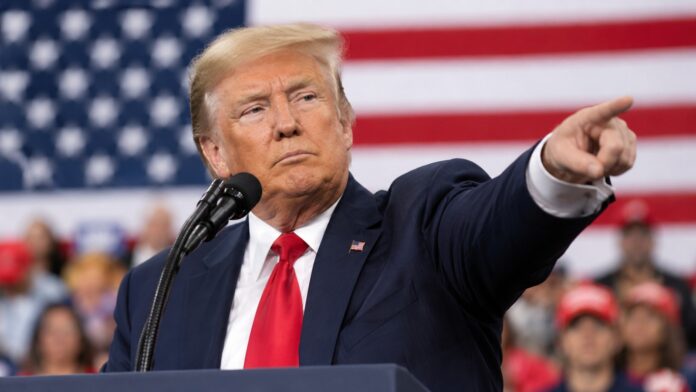
President Trump expressed frustration during a Friday rally in Daytona, Florida, regarding Fox News programming decisions, specifically objecting to Representative Ro Khanna receiving airtime on the network. The president characterized Khanna in unflattering terms and suggested the broadcaster was providing excessive coverage to Democratic voices. Trump indicated displeasure at returning from campaign events only to find his political opponents featured on television segments.
Khanna responded swiftly through social media, thanking the president for the attention and announcing plans to appear on Fox News the following Sunday. The congressman directly challenged the administration’s Iran policies, framing them as failures, and connected this international engagement to domestic economic pressures affecting American households. He further suggested that resources devoted to the Iran situation could be redirected toward job creation and family support programs domestically.
- Exchange occurred at Trump rally in Daytona, Florida on Friday
- Khanna appeared on Fox & Friends prior to Trump’s remarks
- California Democrat announced plans for additional Fox News appearance Sunday
- Cost estimates associated with Iran engagement reached approximately $47 billion
Why It Matters
The confrontation highlights a significant fissure within conservative ranks regarding foreign policy priorities and resource allocation. Khanna’s emphasis on domestic economic hardship and his call to redirect international spending toward American families reflects broader voter concerns about affordability and cost-of-living challenges. The congressman’s willingness to challenge the administration on both foreign policy and spending priorities suggests growing willingness among political figures to question current strategic directions.
The exchange carries weight for the administration’s standing with voters during a period of economic strain. Public concerns about inflation, food prices, and energy costs have created vulnerability for leadership on the economic front. By linking Iran policy directly to domestic financial pressures, Khanna frames international engagement not as abstract geopolitical strategy but as a concrete trade-off against American family welfare. This framing resonates with voters prioritizing immediate household finances over foreign commitments.
- Reflects voter concerns about affordability crisis and rising household costs
- Demonstrates emerging criticism from within political establishment regarding resource priorities
- Raises questions about public support for international engagements amid domestic economic strain
- Suggests potential vulnerability in leadership messaging on cost management and fiscal responsibility
Political and Public Context
The confrontation emerges during a period of significant political tension over multiple policy fronts. The administration has faced scrutiny regarding its international commitments and their fiscal implications. Domestic economic conditions, including inflation pressures on food and energy prices, have created an environment where voters increasingly question whether resources deployed internationally might better serve domestic needs.
Political dynamics have shifted considerably regarding foreign policy consensus. Traditional bipartisan support for certain international engagements has fractured, with voices across the political spectrum questioning whether long-term commitments align with national interests or domestic priorities. The willingness of Democratic figures to attack foreign policy on both moral and fiscal grounds, combined with reported concerns among some Republican lawmakers, indicates erosion of previous consensus on international strategy.
The Epstein files matter that Khanna spearheaded and the Gaza-related criticisms he has voiced demonstrate his broader pattern of challenging executive branch decisions and seeking accountability. These positions have established him as a vocal critic willing to use media platforms to amplify disagreement with administration policies, making him a recurring target for presidential commentary.
- Broader domestic affordability crisis affecting household finances and food costs
- Shifting political consensus on foreign policy commitments and resource allocation
- Growing voice from Democratic figures questioning both fiscal and strategic dimensions of international engagement
- Previous Khanna involvement in accountability efforts including Epstein files and Gaza advocacy
Iranian Supreme Leader Mojtaba Khamenei on Saturday escalated his rhetoric against the United States after President Donald Trump teased a renewal of Washington’s war against Tehran following the midterm elections. https://t.co/WcGfox15Hz
— Washington Examiner (@dcexaminer) October 31, 2026
What Happens Next
Khanna’s announced Sunday appearance on Fox News provides a scheduled platform to expand upon his criticisms of the Iran policy and its domestic implications. The congressman indicated he would use that opportunity to elaborate on connections between international spending and the nation’s affordability challenges. This upcoming segment will likely attract attention as a continuation of the public dispute and another opportunity to frame policy disagreements in terms affecting average American families.
The broader political calendar looms as consequential for assessing public response to these competing narratives about resource allocation and policy priorities. Public sentiment regarding foreign commitments and domestic spending will influence political calculations across both parties. The administration’s ability to articulate the strategic value of its international engagement against criticism focused on domestic economic strain will shape perception of leadership competence on fiscal management.
Additional voices within both parties may weigh in on the underlying questions about foreign policy costs and benefits, potentially amplifying the fiscal critique or solidifying support for current strategy. The continued tension over these questions will influence broader discussions about government spending priorities and leadership effectiveness in addressing household economic concerns.
- Khanna scheduled Fox News appearance Sunday to elaborate on Iran policy criticisms
- Ongoing public debate about foreign policy resource allocation and domestic priorities
- Political assessment of leadership response to affordability concerns heading into election period
- Potential for additional political voices to engage in debate over spending priorities and fiscal trade-offs