Story Highlights
- Republican officials express significant concern about midterm election outcomes, with some acknowledging the possibility of substantial seat losses
- Elon Musk has invested nearly half a billion dollars through his America PAC, making him the largest disclosed donor in modern American politics
- Analysts suggest the president may intensify focus on trade and military actions in the Middle East regardless of electoral outcomes
- Legal experts indicate presidential intervention in electoral processes faces substantial constitutional and practical constraints
What Happened
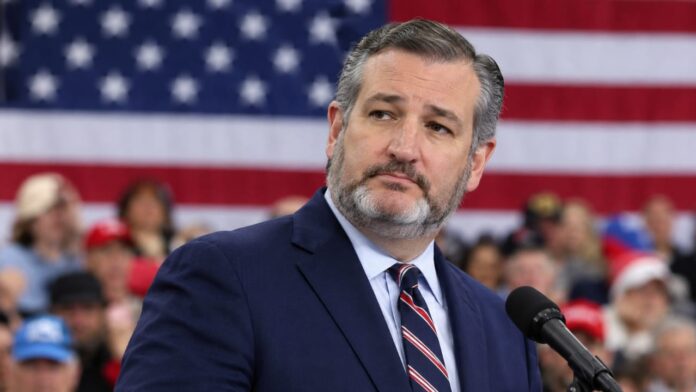
As the midterm elections draw near, Republican leadership is grappling with substantial concerns about the party’s electoral prospects. Senator Ted Cruz of Texas acknowledged in recent podcast remarks that his state faces an extraordinarily competitive political environment, with the possibility of significant losses extending beyond individual races to statewide contests. The senator emphasized the razor-thin margins separating Republicans from potential defeat across multiple categories of races.
Behind closed doors, House Republicans have shifted their discussions from whether losses will occur to estimating their magnitude. Political observers report that senior Republican figures have described the anticipated electoral environment as potentially devastating. White House advisers have reportedly adopted a pessimistic tone, with assessments suggesting losses in at least one chamber of Congress appear likely given current trajectories.
Meanwhile, billionaire entrepreneur Elon Musk has become a dominant force in campaign financing, directing approximately half a billion dollars into electoral efforts primarily through his America PAC. The spending concentration reflects strategic targeting, with Texas receiving the largest share of resources, followed by investments in Michigan, Ohio, and Iowa.
- Senator Ted Cruz acknowledged Texas as excruciatingly competitive with potential statewide Republican losses
- House Republicans privately estimating seat losses rather than disputing whether losses will occur
- Elon Musk deployed nearly $500 million through America PAC, establishing himself as largest disclosed donor in modern politics
- White House mood characterized as grim by multiple news outlets monitoring administration sentiment
Why It Matters
The electoral anxiety within Republican ranks reflects genuine uncertainty about voter sentiment and party positioning heading into a pivotal election cycle. The scale of concern among party leaders suggests internal polling and data analysis have created realistic assessments of competitive dynamics that could reshape congressional composition significantly.
Musk’s unprecedented campaign investment demonstrates the emerging influence of ultra-wealthy individuals in shaping electoral outcomes. The concentration of resources in specific states reveals strategic calculations about where contests remain genuinely competitive and where resources might produce the greatest impact on vote totals. This level of financial commitment from a single donor represents a meaningful development in campaign finance dynamics.
Beyond electoral mathematics, analysts anticipate that political outcomes may influence presidential decision-making regarding international military engagements and trade policies. The suggestion that the administration might pursue more aggressive foreign policy actions regardless of domestic political consequences represents a significant consideration for those monitoring potential policy shifts in the post-election period.
- Electoral losses could shift power dynamics in Congress and reduce Republican legislative capacity
- Musk’s investment level establishes new precedent for individual donor influence in American politics
- Potential policy escalation in trade and military matters could impact economic conditions and global stability
- Administration’s apparent willingness to proceed with controversial actions despite domestic opposition creates uncertainty for business and geopolitical planning
Political and Public Context
Midterm elections typically represent opportunities for the party not holding the presidency to gain ground, though historical patterns vary considerably based on economic conditions, approval ratings, and specific messaging effectiveness. The current cycle occurs within a distinctive political landscape shaped by polarization, high-stakes policy disputes, and intensive campaign financing focused on competitive battlegrounds.
The involvement of Musk and his America PAC reflects broader Republican strategy to mobilize resources and messaging through non-traditional political structures. His involvement connects to wider patterns of business leaders engaging directly in electoral politics, though few have deployed resources at anywhere near comparable scale. The specific targeting of Texas, Michigan, Ohio, and Iowa suggests data-driven analysis identifying these states as genuinely contestable despite various historical Republican advantages in some regions.
Regarding potential post-election developments, analysts have noted that the administration pursued significant military actions and controversial policies during the current term, including actions in the Middle East and threats regarding territorial expansion. The suggestion that a domestically weakened president might pursue even more aggressive foreign policy represents an inversion of typical political logic, where electoral setbacks typically constrain executive ambitions.
- Midterm elections historically shift power toward the non-presidential party, though margins vary by cycle
- Musk’s PAC spending represents unprecedented individual donor involvement in electoral politics
- Administration previously escalated military engagement in Middle East and pursued controversial territorial claims
- Some analysts anticipate that reduced domestic political constraints could encourage rather than restrain executive foreign policy assertiveness
The Wall Street Journal today:
Republican Anxiety Mounts in Final Days Before Midterm Elections
Polling showing Democrats are favored to make gains in Congress has GOP candidates in deep-red areas working to shore up support https://t.co/MPNCVtXlBe
— Frank Amari (@FrankAmari2) October 31, 2026
What Happens Next
The immediate focus remains on election day outcomes and their implications for congressional composition and party dynamics. Results will determine the degree to which Republican concerns materialize or prove overstated, and whether Democratic gains match or exceed Republican internal assessments.
Following the elections, attention will likely shift to how the administration responds to results and whether it pursues the more aggressive international and trade policies that some analysts anticipate. The Pentagon’s reported buildup of military presence in the Middle East, including planning for potential strikes against Iranian nuclear and military infrastructure, represents an area where policy could expand or intensify regardless of electoral outcomes.
Constitutional and legal constraints on executive power present practical limits on how far the administration might venture in attempting to influence electoral processes or outcomes. While legal experts acknowledge that intervention attempts might occur, they note that actual authority to implement such actions remains significantly constrained by existing law and judicial oversight.
- Election results will determine magnitude of Republican losses and congressional power shifts
- Pentagon military buildup in Middle East will likely continue with potential for expanded military operations
- Administration policy direction on trade wars and international engagement remains to be clarified post-election
- Legal and constitutional frameworks will likely constrain any executive attempts at direct electoral intervention despite potential political pressure to act