Story Highlights
- Former President Obama criticized Defense Secretary Pete Hegseth during an Ohio campaign event, focusing on concerns about the secretary’s priorities regarding soldier appearance and physical metrics
- The remarks targeted Hegseth’s implementation of testosterone screening policies and what critics view as excessive focus on physical standards over substantive military operations
- Senate Democrats are reportedly exploring potential changes to Pentagon leadership following recent elections, with some Republican support for a leadership transition
- Hegseth’s leadership has faced Democratic scrutiny related to military conflict management and personnel policy priorities
What Happened
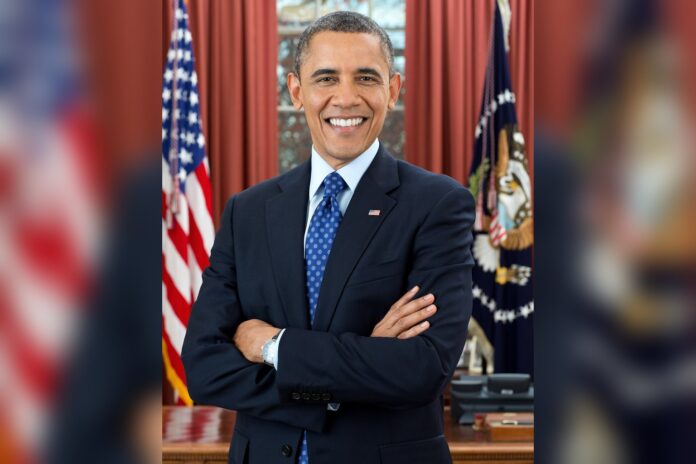
During a campaign stop in Cleveland, Ohio on Saturday, former President Obama delivered remarks that took aim at Defense Secretary Pete Hegseth’s approach to military leadership and personnel management. The former president appeared at the event to support gubernatorial candidate Amy Acton and Senate candidate Sherrod Brown, using the platform to critique several Republican figures and recent policy decisions.
In his address, the 44th president focused significant attention on what he characterized as the Defense Secretary’s misplaced priorities within the military hierarchy. Obama’s remarks suggested that excessive focus on superficial metrics represented a distraction from more pressing national security concerns, particularly regarding ongoing military conflicts. The former president questioned the amount of time and resources devoted to appearance-based standards, framing these as diversions from substantive defense policy.
- Campaign event held in Cleveland, Ohio on Saturday supporting Democratic candidates Amy Acton and Sherrod Brown
- Hegseth implemented testosterone screening mandates for male service members under age 30
- Obama characterized the Defense Secretary’s focus on soldier appearance and physical metrics as misaligned priorities
- Democratic criticism centers on Hegseth’s handling of Iran conflict and military personnel policies
Why It Matters
The criticism of Defense Secretary Hegseth represents a broader Democratic strategy to challenge the Trump administration’s military leadership during an election cycle. The focus on personnel management choices and priority-setting within the Department of Defense has become a significant campaign talking point, particularly in states like Ohio that remain politically contested. By highlighting what the opposition views as unconventional leadership decisions, Democrats seek to raise questions about the effectiveness and judgment of current Pentagon leadership.
The policy decisions under examination include the implementation of physical standard initiatives that have drawn criticism from military experts and Democratic lawmakers. These initiatives, while intended to address specific military readiness concerns, have become flashpoints for debate about appropriate Defense Department priorities. The attention to these policies reflects broader concerns about how military resources and leadership focus are allocated during periods of active military engagement.
- Challenges to Pentagon leadership represent Democratic campaign strategy in contested swing states like Ohio
- Military personnel policies have become election-year campaign issues affecting voter perception of defense management
- Ongoing military conflicts remain central to assessments of Defense Secretary effectiveness
- Debate over appropriate military priorities affects broader perceptions of administration competence
Political and Public Context
Ohio has emerged as a crucial battleground for both political parties, with its electoral significance underscored by the fact that the president won the state in both his presidential campaigns in 2008 and 2012. The state has experienced rightward political shifts in recent years, making Democratic campaign investments there strategically important. Campaign appearances in Ohio typically focus on energizing Democratic voters and highlighting contrasts with Republican policies and leadership approaches.
Defense Secretary Hegseth has become a frequent target of Democratic criticism since assuming office, with opponents challenging multiple aspects of his military leadership philosophy and policy implementation. The focus on his personnel management approach, particularly regarding physical standards and military culture initiatives, has become a defining critique from the political opposition. Senate Democrats have reportedly begun informal discussions about potential Pentagon leadership changes, suggesting that concerns about current defense leadership extend beyond campaign rhetoric to legislative considerations. Political sources indicate that some Republican members may be open to defense leadership transitions, adding complexity to what might otherwise be a strictly partisan dispute.
- Ohio remains strategically important as former President Obama’s only major-party nominee to win the state in recent decades
- Defense Secretary Hegseth’s military leadership philosophy has attracted consistent Democratic opposition
- Senate Democrats exploring potential Pentagon leadership changes after recent elections
- Some Republican support reportedly exists for defense leadership reconfiguration in postelection period
Obama blasted Trump over the Iran war and mocked Hegseth’s focus on testosterone levels in the military. https://t.co/p4ws2reQek
— Newsweek (@Newsweek) October 24, 2026
What Happens Next
The trajectory of Defense Secretary Hegseth’s tenure remains uncertain as political pressure from multiple quarters continues. The postelection period appears likely to bring formal discussions about Pentagon leadership, with Senate Democratic leadership pursuing potential changes to defense department leadership as part of broader budget and policy negotiations. The success of any leadership transition efforts would depend on building sufficient bipartisan support within Congress to effect such changes.
Military personnel policies implemented under the current Defense Secretary’s leadership will likely remain subject to ongoing scrutiny and debate. Congressional committees with oversight responsibility for defense matters may conduct additional hearings or investigations into personnel management practices and resource allocation priorities. The November election results appear poised to significantly influence the political dynamics surrounding Pentagon leadership, with the potential for meaningful shifts in defense policy direction depending on electoral outcomes and subsequent congressional composition.
- Senate Democrats may formally pursue Pentagon leadership changes during postelection legislative sessions
- Congressional oversight committees likely to examine military personnel policies and Defense Department priorities
- Postelection budget negotiations could provide leverage for defense leadership discussions
- Republican support for Pentagon leadership changes could determine viability of potential transitions