Story Highlights
- Heating oil prices are projected to rise nearly 50% compared to last winter.
- Approximately 5 million households in the Northeast rely on heating oil as their primary heat source.
- Economic strain is expected for lower- and middle-income families due to increased heating costs.
- Experts warn of potential budgetary cuts in essential areas like groceries and medicine.
What Happened
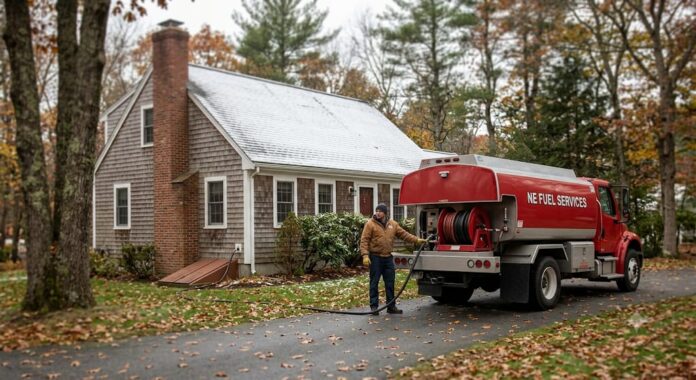
As the winter season approaches, residents in the Northeast are bracing for a significant increase in heating costs, primarily driven by rising fuel prices. The geopolitical tensions stemming from conflicts such as the U.S.-Iran and Russia-Ukraine wars have contributed to escalating fuel prices, particularly diesel, which in turn affects the cost of heating oil. This situation is particularly concerning for the nearly 5 million households in the Northeast that depend on heating oil as their primary source of heat during the colder months. According to William O’Neil, a principal research analyst at S&P Global, there is a strong correlation between diesel and heating oil prices. As diesel prices rise, so too do heating oil prices, which are chemically similar but differ in additives and treatments.
Heating oil prices could increase by nearly 50% this winter compared to last year. Residential heating oil prices last winter ranged from $3.75 to $4 per gallon. The National Energy Assistance Directors Association projects an average household could spend $2,297 on heating oil this winter. As of now, the national average gasoline price is approximately $4.47 per gallon. This increase in costs is expected to put additional pressure on families already struggling with inflation and rising living expenses.
- Heating oil prices could increase by nearly 50% this winter compared to last year.
- Residential heating oil prices last winter ranged from $3.75 to $4 per gallon.
- The National Energy Assistance Directors Association projects an average household could spend $2,297 on heating oil this winter.
- As of now, the national average gasoline price is approximately $4.47 per gallon.
Why It Matters
The implications of rising heating costs are profound, particularly for lower- and middle-income households. The National Energy Assistance Directors Association has raised alarms about the potential economic strain these families may face. With limited discretionary income, many households may be forced to make difficult choices regarding their budgets. The increase in heating oil prices could lead to a cascading effect on household expenses, forcing families to cut back on essential items such as groceries and medicine. Mark Wolfe, the executive director of the association, emphasized that when families are already operating on tight budgets, any increase in necessary expenses can lead to dire consequences. The situation is exacerbated by the fact that many families are already facing high costs for other necessities, making it even more challenging to absorb these additional heating expenses.
- Families may have to reduce spending on groceries and healthcare.
- Some households could fall behind on utility bills, risking disconnection of services.
- Increased reliance on payday lenders may occur as families seek to cover rising costs.
- The overall economic health of the region could be jeopardized as disposable income shrinks.
Political and Public Context
The current situation is not an isolated incident but rather part of a broader trend influenced by various factors, including global oil markets and domestic energy policies. The rise in heating oil prices is reflective of a larger pattern of increasing energy costs across the board. The National Energy Assistance Directors Association’s analysis indicates that not only heating oil but also natural gas, electricity, and propane are expected to see price increases this winter. This multifaceted rise in energy costs is indicative of the challenges facing American households as they navigate an increasingly complex economic landscape. Policymakers are under pressure to address these rising costs, as they could have significant implications for public health and safety during the winter months.
- Natural gas prices are projected to rise by 5.8% this winter.
- Electricity costs are expected to increase by 9%.
- Propane prices may also see an 8.7% increase.
- The national average diesel price is currently around $6.45 per gallon.
What Happens Next
Looking ahead, the outlook for heating costs this winter remains uncertain. Experts are closely monitoring the situation, particularly as geopolitical tensions continue to evolve. The potential for further increases in fuel prices looms large, and households may need to prepare for the worst. As families brace for the financial impact of rising heating costs, questions remain about how they will adapt to these changes. Will there be any government intervention to assist struggling families? How will local economies respond to the increased financial strain on households? These questions highlight the need for ongoing analysis and support for those affected by rising energy costs. Additionally, community organizations may play a crucial role in providing resources and assistance to families in need.
- Families may need to seek assistance programs to help with heating costs.
- Local governments could implement measures to mitigate the impact on low-income households.
- Continued monitoring of fuel prices will be essential for forecasting future costs.
- Public awareness campaigns may be necessary to inform families about available resources.