Story Highlights
- Oswaldo Pirela, a minor league baseball coach employed by the San Diego Padres organization, was released on bond Monday after being detained by immigration authorities
- Pirela was arrested at El Paso International Airport while attempting to return to the Phoenix area where his family resides
- His family confirmed that Pirela has an active asylum application and holds multiple work authorizations granted while living in the United States
- The Department of Homeland Security maintains that work authorizations do not confer legal status, and Pirela faces ongoing removal proceedings
What Happened
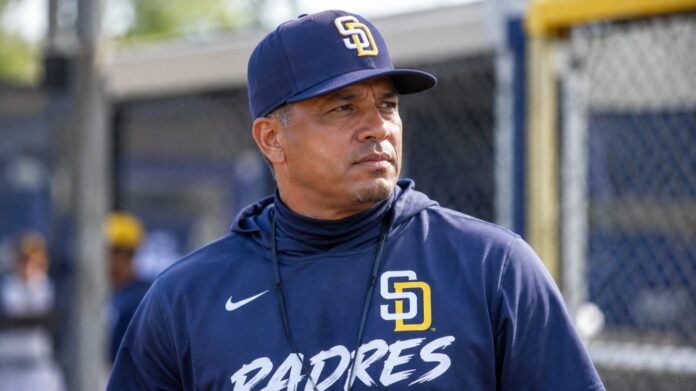
Oswaldo Pirela, a minor league baseball coach with the San Diego Padres organization, was released on bond Monday following his detention by immigration authorities the previous week. The Venezuelan immigrant was originally detained at El Paso International Airport while attempting to return to the Phoenix area, where he and his family maintain their residence. His release marks a significant development in his immigration case, which remains ongoing through removal proceedings initiated by immigration authorities.
The San Diego Padres organization acknowledged Pirela’s release through an official statement, expressing satisfaction that he had been reunited with his family. The team indicated that it would refrain from further public commentary regarding the matter out of respect for Pirela’s privacy and the continuation of his legal proceedings. Pirela’s family also confirmed details of his release to media outlets covering the story.
- Pirela was detained at El Paso International Airport while returning to his Phoenix-area residence
- He was released on bond Monday, reuniting with his family
- The San Diego Padres confirmed his release and expressed relief at the outcome
- Pirela remains subject to ongoing removal proceedings administered by immigration authorities
Why It Matters
This case illuminates the complexities surrounding immigration enforcement, employment authorization, and legal status distinctions within the United States immigration system. Pirela’s situation demonstrates that possessing work authorizations does not automatically secure legal status or prevent removal proceedings. The Department of Homeland Security has emphasized this distinction, noting that work permits and legal permanent status represent separate categories under immigration law. This clarification has significant implications for hundreds of thousands of workers who operate under employment authorization documents while their immigration status remains unresolved through pending applications or other legal channels.
Pirela’s employment history with the Padres organization and his participation in professional baseball demonstrate that individuals facing immigration challenges often contribute meaningfully to American institutions and communities. His case raises questions about the scope of immigration enforcement priorities and how federal authorities determine whom to target for detention and removal proceedings. The relatively quick release on bond suggests that judicial or administrative review may have found merit in arguments regarding his eligibility for temporary release while his case proceeds through the legal system.
- Work authorizations do not guarantee legal status or protection from removal proceedings
- The case affects individuals across various employment sectors who hold work permits pending asylum decisions
- Pirela’s professional baseball background with the Padres highlights employment contributions by individuals in immigration proceedings
- The outcome may influence how immigration authorities prioritize enforcement actions and bond determinations
Political and Public Context
Immigration enforcement and the distinction between work authorization and legal status have become prominent topics within broader policy discussions. Federal agencies including the Department of Homeland Security have consistently maintained that employment documents do not confer comprehensive legal status or prevent deportation proceedings. This position reflects ongoing debates about immigration policy, enforcement priorities, and the rights and protections afforded to individuals at various stages of the immigration process.
Pirela’s situation intersects with larger conversations about Venezuelan migration to the United States. Venezuela has experienced significant political and economic instability, prompting numerous citizens to seek asylum and refuge in the United States. The case demonstrates how immigration procedures apply across different demographic groups and employment sectors, including professional sports organizations that employ individuals with varying immigration statuses.
The involvement of the San Diego Padres organization, a Major League Baseball team, has brought additional attention to immigration enforcement activities. Sports organizations have occasionally become focal points in discussions about immigration policy, employment practices, and the human dimensions of enforcement actions. The team’s public acknowledgment of Pirela’s situation reflects broader organizational awareness of immigration complexities affecting their workforce.
- Venezuelan citizens represent a significant portion of recent asylum applicants to the United States
- Work authorization versus legal status distinctions remain central to immigration policy enforcement
- Professional sports organizations have increasingly engaged with immigration issues affecting their employees
- Immigration enforcement priorities and bond determinations continue to evolve through administrative and judicial processes
San Diego Padres minor-league catching coordinator Oswaldo José Pirela is released from ICE detention on bond, the team says. https://t.co/8Rc6DaEpZx
— NBC News (@NBCNews) August 26, 2026
What Happens Next
Pirela faces ongoing removal proceedings initiated by immigration authorities following his bond release. These proceedings will determine his immigration status and potential outcomes, which could include asylum approval, other forms of relief, or deportation. The timeline for these proceedings varies considerably depending on case complexity, court backlogs, and available legal options. Pirela’s asylum application, which his family confirmed remains active, represents one potential avenue through which he might achieve legal status and remain in the United States.
The San Diego Padres organization will likely continue monitoring developments in Pirela’s case, particularly given his employment relationship with the organization. His continued work authorization status may face scrutiny depending on how his immigration proceedings develop. Meanwhile, immigration authorities will proceed with removal proceedings according to established legal timelines and procedures. The outcome of his case may establish precedent regarding how work authorizations are evaluated in removal proceedings and how immigration authorities prioritize enforcement actions involving documented employment.
- Pirela’s asylum application will proceed through immigration courts, with outcomes potentially including approval or denial
- His employment status with the San Diego Padres may be affected by developments in his immigration proceedings
- Removal proceedings will continue according to established legal timelines and procedural requirements
- The case outcome may influence future immigration enforcement decisions and bond determinations for similarly situated individuals