Story Highlights
- Modern technology has systematically disconnected people from physical world experiences and sensory gratification through smartphones, apps, and social media platforms
- Artificial intelligence poses risks of further dematerialization by automating creative tasks, writing, and planning activities that once provided everyday satisfaction
- AI tools also offer potential to redirect human attention back toward physical world engagement and meaningful real-world experiences
- The gap between digital convenience and sensory fulfillment represents a growing challenge for contemporary society
What Happened
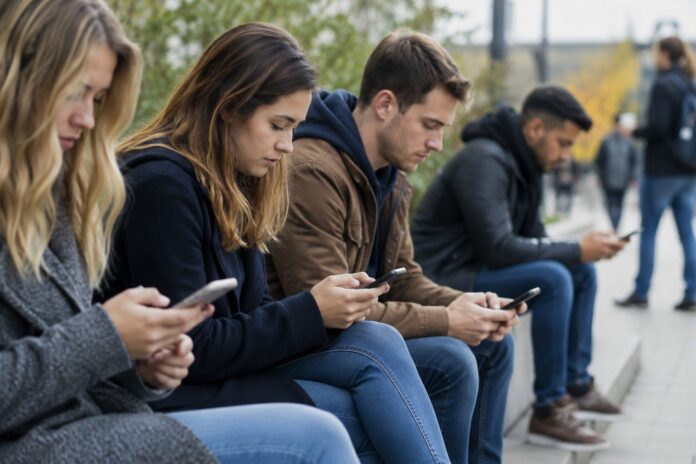
Technology observers and critics increasingly recognize a fundamental shift in how people interact with their physical surroundings. Smartphones, social media platforms, and various digital applications have systematically captured human attention and time in ways that reduce engagement with tangible, sensory experiences. The normalization of constant digital connectivity has extended work demands into personal hours, creating perpetual engagement with screens rather than physical environments.
The emergence of generative artificial intelligence tools has introduced new dimensions to this pattern. These systems promise to automate numerous daily tasks including email composition, creative writing, holiday planning, and itinerary development. Such automation removes intermediary steps that previously provided tactile and sensory engagement with the physical world.
- Smartphone and social media design intentionally capture and hold user attention
- Generative AI services including ChatGPT, Claude, and Gemini offer automated alternatives to human-performed daily tasks
- Dematerialization of everyday activities reduces sensory engagement and tactile gratification
- Contemporary life shows increasing separation between digital convenience and physical world connection
Why It Matters
The phenomenon of technological disconnection carries meaningful consequences for human wellbeing and satisfaction. Research and observation suggest that small, routine interactions with the physical world—tearing paper towels, holding physical tickets, flipping through catalogs—contribute to what observers term gratification or sensory enchantment. These minor acts accumulate to provide accessible pathways toward contentment and psychological satisfaction.
As artificial intelligence expands its capabilities and integration into daily life, concerns emerge about potential erosion of meaningful human experiences. Creative professionals, writers, designers, and artists face uncertainty regarding whether their work will remain viable or valued. Beyond career implications, the broader population may experience diminished engagement with activities that historically provided subtle but meaningful sources of satisfaction and connection to reality.
However, the relationship between AI and physical disconnection remains more nuanced than simple causation. While AI threatens to amplify dematerializing effects already present in contemporary technology, observers also identify potential applications where AI could redirect people toward greater physical world engagement and deeper sensory experiences.
- Loss of tactile and sensory experiences contributes to reduced overall satisfaction and contentment
- Creative professionals face viability questions as AI assumes composition, design, and artistic tasks
- Automation of planning and decision-making removes exploratory activities that engage physical world
- Potential exists for AI applications to reconnect people with gratifying physical experiences and real-world engagement
Political and Public Context
Concerns about technological disconnection have become widespread across demographic groups and ideological perspectives. Both teenagers and elderly populations engage extensively with digital platforms, though the specific platforms and consumption patterns differ. These observations cross traditional dividing lines in society, suggesting that technological alienation from physical reality represents a broadly shared contemporary experience.
The problems associated with digital technology adoption include recognized issues such as addiction, spread of misinformation, radicalization pathways, and social discord. These concerns have generated substantial public discussion and prompted various regulatory and cultural responses. Simultaneously, skepticism persists regarding whether technology fundamentally improves daily life or primarily substitutes convenience for meaningful engagement.
Technology critics and observers span professional backgrounds including writers, university professors, artists, and designers. Their perspectives acknowledge both legitimate risks and potential benefits of emerging technologies. The conversation around AI’s role in human experience reflects broader tensions between technological progress and preservation of meaningful human activities.
- Technological disconnection concerns affect diverse demographic groups across age ranges
- Recognized problems include addiction, misinformation, radicalization, and social disharmony
- Skepticism exists regarding whether automation genuinely improves human satisfaction or merely shifts activities
- Professional creators express concerns about career viability alongside broader quality-of-life implications
What Happens Next
The trajectory of artificial intelligence integration into daily life will likely determine whether technology generally disconnects people from physical reality or offers tools for reconnection. This development depends partly on how AI applications are designed and deployed, and partly on how individuals and communities choose to utilize these tools. Critical examination of AI’s role in human experience will continue among technology observers, scholars, and the general public.
Future possibilities include AI applications specifically designed to enhance physical world engagement, recommend meaningful experiences, or facilitate participation in gratifying activities. Conversely, continued automation of routine tasks without intentional redirection toward physical world connection could amplify existing disconnection patterns. The outcome remains contingent on conscious choices about technology design and usage patterns.
Understanding the relationship between artificial intelligence and physical world connection requires ongoing observation and analysis. As these technologies mature and become increasingly integrated into daily life, society will gain clearer understanding of whether AI primarily exacerbates disconnection or whether thoughtfully designed applications can serve as bridges back toward sensory engagement and meaningful experiences.
- AI application design choices will significantly influence whether technology enhances or diminishes physical world engagement
- Potential exists for developing AI tools specifically intended to redirect attention toward gratifying real-world experiences
- Individual and community decisions about technology adoption will shape ultimate outcomes
- Ongoing observation and analysis of AI’s societal effects remains necessary for understanding long-term implications