Story Highlights
- Shoko Kawata becomes Japan’s first mayor to take maternity leave while in office
- Kawata’s decision ignites national debate on parental leave for elected officials
- TIME Magazine names Kawata among its 100 most influential rising stars for 2024
- Case highlights Japan’s demographic and gender equality challenges
What Happened
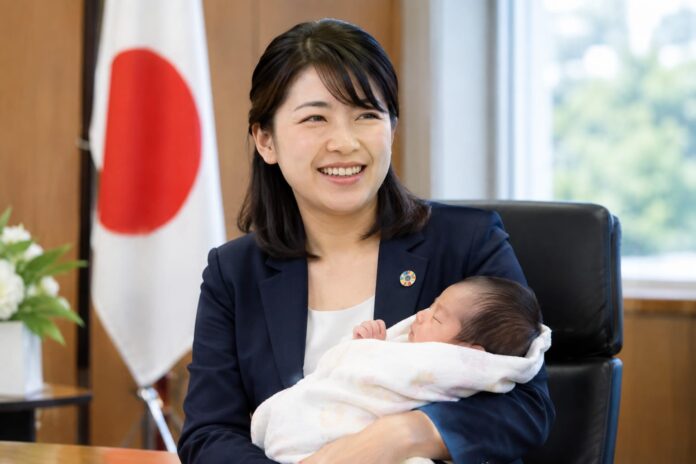
Shoko Kawata, the 36-year-old mayor of Yawata City in Kyoto prefecture, made history as the first Japanese mayor to take maternity leave while serving in office. On 15 September 2024, Kawata gave birth to her first child, a baby girl. Her decision to temporarily step back from her mayoral duties sparked a vigorous national debate in Japan, a country already facing declining birth rates and evolving gender roles.
Because there is no legal framework for local elected officials to take maternity leave in Japan, Kawata worked with her office to create a plan. She transferred her authority to Deputy Mayor Shigeto Nose for 16 weeks and continued to work remotely when possible. The move drew both support and criticism, reflecting deep divisions in Japanese society about work, family, and leadership. Kawata’s actions also earned her a spot on TIME Magazine’s 2024 TIME100 Next list, bringing international attention to her case.
Public reaction was swift and polarized. Supporters praised Kawata for setting a positive example and making it easier for other women to consider political careers. Critics, however, argued that elected officials should not step away from their duties for personal reasons, with some suggesting salary reductions or even resignation. Kawata responded by emphasizing that such criticism effectively excludes women of childbearing age from public office, highlighting the broader implications for gender equality in Japanese politics.
- Shoko Kawata gave birth on 15 September 2024
- Mayor of Yawata City, Kyoto prefecture
- Authority transferred to Deputy Mayor Shigeto Nose for 16 weeks
- Named to TIME100 Next list in 2024
Why It Matters
Kawata’s decision is significant for Japan, where gender inequality and demographic decline are pressing issues. The debate over her maternity leave highlights the challenges women face when seeking leadership roles while starting families. Critics argued that elected officials should not step away for personal reasons, with some suggesting salary reductions or resignation. Supporters, however, saw Kawata’s actions as a step toward modernizing Japanese society and making politics more accessible to women.
Kawata herself emphasized that criticizing politicians for taking maternity leave effectively excludes women of childbearing age from public office. Her case has become a focal point for broader discussions about work-life balance, family policy, and the future of Japanese society. The controversy also brings attention to the lack of legal frameworks for parental leave among elected officials, a gap that could discourage women from running for office and perpetuate gender disparities in political representation.
Japan’s demographic crisis, marked by one of the world’s lowest birth rates and a rapidly aging population, makes the issue even more urgent. The country’s ability to adapt its policies and workplace culture to support working parents, especially women, will be crucial for its future. Kawata’s case has already inspired advocacy groups and lawmakers to consider reforms that could make politics more inclusive and family-friendly.
- Raises questions about gender equality in Japanese politics
- Exposes lack of legal frameworks for parental leave among elected officials
- Influences public perceptions of work-life balance and family policy
- May affect future candidates’ decisions to run for office
Political and Public Context
Japan faces a well-documented demographic crisis, with one of the world’s lowest birth rates and a rapidly aging population. Efforts to encourage families to have more children have seen limited success, partly due to cultural expectations around gender roles and limited support for working mothers. In politics, women remain underrepresented, and the lack of clear policies for parental leave among elected officials discourages women from seeking office.
Kawata’s case is among the most high-profile examples of this issue, drawing attention both domestically and internationally. Her inclusion in the TIME100 Next list underscores the global relevance of her actions and the ongoing movement for gender equality in leadership roles. The public debate surrounding her leave has also highlighted the generational divide in attitudes toward work and family, with younger people more likely to support flexible policies and older generations often holding more traditional views.
Previous attempts to address parental leave for politicians in Japan have stalled, with little progress made at the national level. International organizations, including the United Nations and various advocacy groups, have repeatedly called for greater gender equality in Japanese politics. Kawata’s case may provide the momentum needed to revisit these discussions and push for concrete policy changes.
- Japan’s birth rate remains among the lowest globally
- Women hold less than 15 percent of mayoral positions in Japan
- Previous debates over parental leave for politicians have occurred
- International organizations call for greater gender equality in Japanese politics
Japan's first mayor to take maternity leave lands on TIME100 Next list dlvr.it/TVl8bz pic.twitter.com/8753RxlOWZ
— World News (@Worldnews_Media) October 2, 2026
What Happens Next
Kawata’s maternity leave is likely to have lasting effects on Japanese politics and society. Her decision has already prompted discussions about the need for formal policies regarding parental leave for elected officials. Lawmakers and advocacy groups may push for legislative changes to ensure future leaders can balance family responsibilities with public service. The public and political response to Kawata’s return to office will be closely watched.
Kawata has stated her intention to use her experiences as a new parent to inform her policy work, especially on issues affecting families and children. Whether her case becomes a catalyst for broader change or remains an isolated incident will depend on how Japan adapts to shifting social norms. The outcome could influence not only future candidates but also the broader conversation about gender roles, work-life balance, and the modernization of Japanese society.
Observers will be monitoring whether the national government or local assemblies introduce new guidelines or legislation to address the gap in parental leave for elected officials. The ongoing debate may also inspire more women to run for office, emboldened by Kawata’s example and the increased visibility of the issue. Ultimately, the way Japan responds to this moment could set a precedent for other countries facing similar challenges.
- Potential legislative proposals for parental leave among elected officials
- Increased advocacy for gender equality in politics
- Public and political response to Kawata’s return
- Ongoing debate about work-life balance and family policy