Story Highlights
- President Trump campaigned for Republican Mike Rogers in the competitive Michigan Senate race, which will significantly influence control of the chamber after Election Day
- The president criticized Democratic candidate Abdul El-Sayed, characterizing him as a progressive threat to the country’s values
- Haley Stevens, who lost the Democratic primary to El-Sayed, endorsed Rogers and received praise from the president for her decision
- The Michigan Senate contest has become a focal point of national political attention with just days remaining before voters decide
What Happened
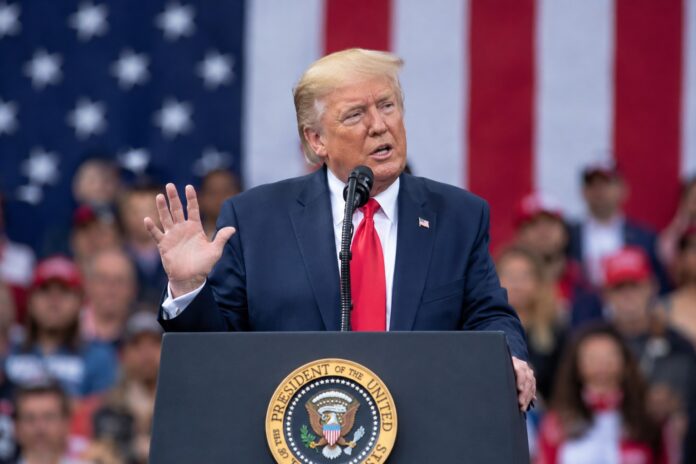
President Trump held a campaign rally in Iowa on Sunday where he vigorously promoted Republican Mike Rogers as the preferred choice for Michigan’s Senate seat. The president’s remarks targeted his Democratic opponent, describing El-Sayed as a progressive candidate whose election would undermine American interests. Trump emphasized that the choice between the two candidates represented a fundamental ideological divide in the race.
A significant development in the final days of the campaign involved Haley Stevens, who finished second to El-Sayed in the August Democratic primary. Stevens declined to support El-Sayed and ultimately endorsed Rogers instead, citing disagreements over campaign messaging. The president praised Stevens for her decision at the rally, suggesting she might consider joining the Republican Party and recognizing her role in highlighting divisions within Michigan’s Democratic establishment.
- Trump held a campaign event in Iowa on Sunday to boost Rogers’ candidacy
- Haley Stevens, the August Democratic primary runner-up, switched her endorsement to Rogers
- The Michigan Senate race represents a competitive contest that could determine chamber control after Election Day
- Stevens’ defection occurred in the final stretch before Tuesday’s elections
Why It Matters
The Michigan Senate race carries outsized significance for determining which party will control the Senate following the midterm elections. With the contest described as neck-and-neck, every development and endorsement in the final days could influence the outcome. Stevens’ high-profile switch to endorsing Rogers demonstrated fractures within the Democratic coalition and signaled weakness for El-Sayed’s candidacy at a critical moment.
The president’s active involvement in the Michigan race underscores how much his administration views this seat as consequential to the Republican agenda. By campaigning in Iowa specifically to boost Rogers, Trump made clear that this Senate contest ranks among the party’s top priorities nationally. His praise for Stevens’ decision served both to validate her concerns about El-Sayed’s direction and to welcome Democratic-leaning voters who might be persuaded by moderate Republican messaging.
- Senate control hangs in the balance, making Michigan’s race a national priority
- Stevens’ endorsement of Rogers signals Democratic divisions and potential momentum shifts
- A Republican pickup in Michigan strengthens the party’s position on key legislative priorities
- The race demonstrates voter concern about progressive policy direction in competitive districts
Political and Public Context
The Michigan Senate race reflects broader national trends in 2024, where candidates’ positions on cultural and economic issues are driving electoral outcomes. El-Sayed represents the progressive wing of the Democratic Party, advocating positions that appeal to the party’s base but potentially alienate moderate and independent voters. Rogers, by contrast, has positioned himself as a pragmatic choice aligned with Trump’s policy agenda and appealing to voters skeptical of progressive governance.
Stevens’ decision to endorse Rogers rather than support the Democratic nominee surprised observers and demonstrated how primary competition can create lasting divisions. Her concerns about specific campaign messaging suggests that even within Democratic circles, there are disagreements about strategy and messaging. Senate Minority Leader Chuck Schumer reportedly expressed displeasure with Stevens’ choice, highlighting the stakes Democrats believe this race represents for their national agenda.
- Progressive versus moderate Democrat division is reshaping competitive Senate races nationally
- Stevens’ August primary loss to El-Sayed apparently intensified disagreements over campaign direction
- The president’s active rally schedule emphasizes his view that Senate control directly affects his administration’s legislative capacity
- Democratic leadership has invested significant resources and attention in defending the Michigan seat
Trump commends Stevens’ ‘bravery’ for endorsing Rogershttps://t.co/bPjn1ufxC9
— The Hill (@thehill) November 2, 2026
What Happens Next
With Election Day approaching, the final stretch of the Michigan Senate campaign will likely intensify as both candidates mobilize their supporters. Trump’s rally appearance in Iowa, combined with his endorsement of Rogers, signals that the Republican National Committee and allied groups will continue targeting resources to this race through Tuesday. The president’s involvement suggests he personally views a Rogers victory as meaningful validation of his political influence heading into the new Congress.
The outcome of the Michigan race will help determine whether Republicans can advance their legislative agenda with a stronger Senate majority or whether Democrats can limit losses and maintain influence in the chamber. A Rogers victory would strengthen the president’s position on judicial confirmations, regulatory rollbacks, and other priorities dependent on Senate cooperation. Meanwhile, El-Sayed’s success would represent a validation of progressive politics in a competitive swing state, signaling continued Democratic energy among younger and more activist voters.
- Election Day on Tuesday will decide whether Rogers captures the seat or El-Sayed prevails
- Stevens’ continued presence in Michigan politics may influence undecided voters in final days
- Republican and Democratic national committees will maximize voter contact efforts through Tuesday
- Senate control implications make the Michigan race a bellwether for legislative dynamics in the new Congress