Story Highlights
- President Trump praised Democratic Rep. Haley Stevens for endorsing GOP Senate candidate Mike Rogers, calling her decision an act of bravery
- Stevens, who lost the Democratic primary to Abdul El-Sayed, broke ranks with her party to support Rogers just days before the midterm election
- The endorsement followed tensions over Israel policy and Gaza aid, a key dividing line in the primary race
- Stevens appeared alongside Rogers at a Detroit church event, signaling her commitment to the endorsement
What Happened
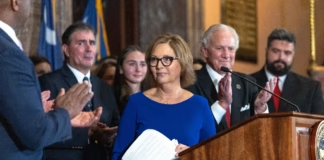
President Trump voiced strong approval for Rep. Haley Stevens’s decision to endorse Mike Rogers in Michigan’s Senate race, highlighting what he described as her exceptional courage and integrity. The Democratic representative from Michigan made the unexpected endorsement announcement on Sunday, just two days before the midterm elections. Stevens, who had narrowly lost her party’s primary contest, stood alongside Rogers at a Detroit church event to publicly declare her support for the GOP nominee.
The move represented a significant break from Democratic Party leadership, particularly notable given the timing and circumstances surrounding Stevens’s primary defeat. Her primary loss came to Abdul El-Sayed, and the two candidates had engaged in heated disputes in the days leading up to Stevens’s endorsement decision. According to reports, Stevens was originally scheduled to attend a campaign event with El-Sayed, but the Democratic nominee withdrew the invitation.
- Rep. Haley Stevens (D-Mich.) endorsed GOP candidate Mike Rogers for Senate on Sunday
- Stevens appeared at a Detroit church event alongside Rogers to announce her endorsement
- The announcement came just two days before the midterm elections
- Stevens had lost the Democratic primary to Abdul El-Sayed in a contentious race
Why It Matters
The endorsement carries substantial weight in Michigan politics, where Stevens has cultivated significant respect and influence, particularly among African American and Jewish voters. President Trump emphasized the magnitude of her following and noted the level of respect she commands throughout Michigan communities. This kind of high-profile Democratic endorsement of a Republican candidate can meaningfully impact voter perceptions and turnout, especially when it comes from someone with established credibility within Democratic constituencies.
Stevens’s decision also underscores the deep ideological divides that have emerged within the Democratic Party on issues of foreign policy, particularly regarding U.S. support for Israel and aid related to the Gaza conflict. Her endorsement of Rogers demonstrates that these disagreements have reached a point where they can override traditional party loyalty. The move highlights how certain policy disputes can transcend partisan boundaries and drive individuals to support candidates from opposing parties when they believe principles are at stake.
- Stevens’s endorsement carries influence among African American and Jewish voters in Michigan
- The move reflects growing Democratic Party divisions over Israel policy and Gaza aid
- High-profile Democratic endorsements of Republican candidates can significantly affect voter perceptions
- Stevens’s credibility and respect within her community enhance the impact of her endorsement
Political and Public Context
The 2024 midterm election cycle has been marked by significant party crossovers and endorsements, with voters and elected officials increasingly willing to break traditional party lines on specific issues. Israel policy has emerged as a particularly divisive issue within Democratic circles, with younger and progressive voters expressing concerns about U.S. financial support while established Democratic leaders have maintained strong pro-Israel positions. Stevens received substantial financial support from pro-Israel lobbying groups during her primary campaign, a fact that became central to the disputes between her and El-Sayed.
President Trump’s enthusiastic response to Stevens’s endorsement reflects the White House’s broader strategy of highlighting Democratic discord and appealing to voters who prioritize certain policy positions over strict party affiliation. The president’s characterization of Stevens’s move as displaying bravery and loyalty to Michigan voters emphasizes themes of principle-driven politics. This endorsement also demonstrates how individual candidates can leverage cross-party support to strengthen their electoral positioning, particularly in competitive races.
- Israel policy and Gaza aid have become major dividing lines within the Democratic Party
- Stevens received significant pro-Israel lobbying group support during her primary campaign
- Growing numbers of voters and elected officials are crossing party lines over specific policy concerns
- President Trump’s response highlights White House efforts to appeal to principle-driven voters across traditional party boundaries
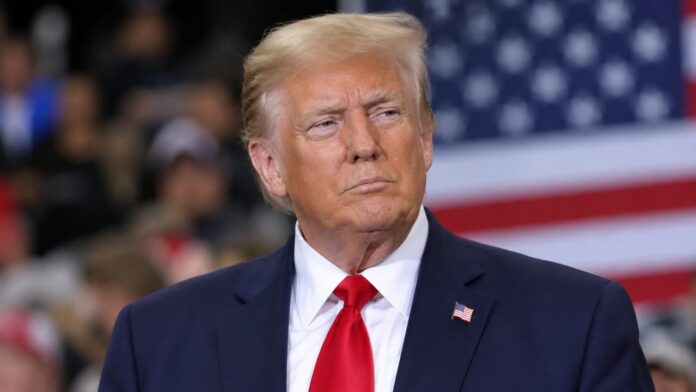
President Donald Trump praised Rep. Haley Stevens after she endorsed Republican Senate nominee Mike Rogers.
MORE: https://t.co/VVYU0B6stt pic.twitter.com/jpVFT4gV4B
— Washington Examiner (@dcexaminer) November 1, 2026
What Happens Next
The endorsement’s impact on the election results will become clear in the days following the midterm vote, as analysts assess whether Stevens’s high-profile support influenced Rogers’s electoral performance in Michigan. The move may set a precedent for other Democratic officials to openly support Republican candidates on issues where they believe their principles align with GOP positions. Future political campaigns may increasingly feature cross-party endorsements as voters continue to prioritize specific policy positions over traditional partisan loyalty.
Stevens’s bold decision could reshape conversations within Democratic circles about party discipline and the circumstances under which members should break ranks to support opposing party candidates. The White House appears positioned to leverage this endorsement as evidence of broad dissatisfaction with Democratic leadership on key issues, potentially using it to appeal to persuadable voters who share Stevens’s concerns. Political observers will likely monitor whether this moment catalyzes additional high-profile Democratic defections or serves as an isolated example of principled political independence.
- Election results will reveal the concrete electoral impact of Stevens’s endorsement on Rogers’s campaign
- The endorsement may encourage other Democratic officials to publicly support Republican candidates on shared policy priorities
- White House officials may use this moment to appeal to principle-driven voters dissatisfied with Democratic Party direction
- Democratic Party leadership will need to address the underlying policy divisions exposed by Stevens’s decision