Story Highlights
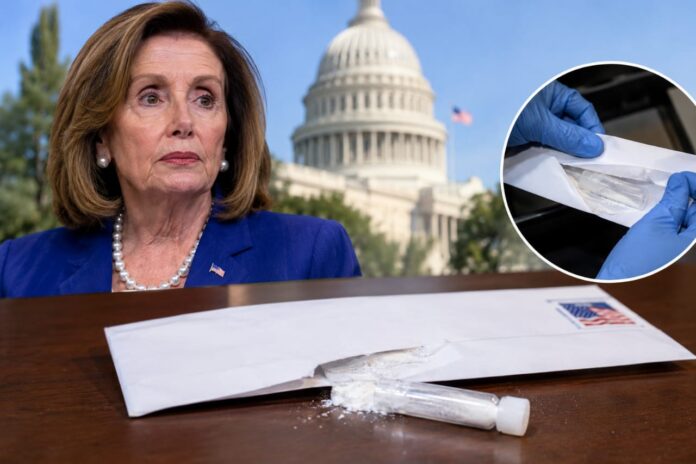
- California Representative Nancy Pelosi’s office received a suspicious letter containing white powder on Wednesday, marking the latest in a series of similar incidents targeting congressional offices
- More than three dozen members of Congress across the political spectrum have reported receiving envelopes with white powder in recent days, with over 100 such letters reportedly circulating through the US mail system
- Federal law enforcement agencies including the FBI, US Capitol Police, and US Postal Inspection Service are actively investigating the campaign of suspicious mailings ahead of the midterm elections
- Preliminary testing of powder from at least one congressional office indicated the substance was not hazardous, though all incidents remain under investigation
What Happened
California Representative Nancy Pelosi’s office became the latest congressional office to receive a suspicious letter containing white powder on Wednesday. The incident occurred amid an escalating pattern of similar mailings targeting members of Congress from across the political spectrum in the weeks leading up to the midterm elections. A spokesperson for Pelosi indicated that the letter was consistent with mailings reported by other congressional offices and that everyone in the office remained safe following the discovery.
The scope of the suspicious mailing campaign has grown substantially, with officials reporting that more than three dozen members of Congress have received envelopes containing white powder in recent days. Federal authorities have indicated that over 100 letters thought to contain white powder are believed to be circulating within the US mail system. Election offices across the country have also reported receiving suspicious mail as part of what appears to be a coordinated effort to intimidate elected officials and election workers.
- More than 36 congressional offices across the political spectrum received suspicious letters containing white powder
- Over 100 similar letters are reportedly circulating through the US mail system nationwide
- Preliminary testing of powder from at least one office indicated the substance was not hazardous
- The mailings occurred in the lead-up to midterm elections, suggesting a potential connection to the electoral calendar
Why It Matters
The campaign of suspicious mailings targeting congressional offices and election facilities represents a significant security concern for American democratic institutions. These incidents create an atmosphere of intimidation aimed at elected officials and election workers during a critical period in the electoral cycle. The widespread nature of the mailings, with reports indicating over 100 letters in circulation, suggests a systematic effort rather than isolated incidents, raising concerns about the safety and security of public servants and the integrity of the electoral process.
Beyond the immediate safety implications, these incidents highlight vulnerabilities in the mail system and the security protocols protecting federal offices and election infrastructure. The fact that members of Congress from across the political spectrum have been targeted indicates that the mailing campaign may be designed to create broader disruption and undermine confidence in democratic institutions rather than targeting a specific political faction. The involvement of multiple law enforcement agencies underscores the seriousness with which federal authorities are treating these incidents.
- Creates an atmosphere of intimidation targeting elected officials and election workers during the midterm electoral cycle
- Demonstrates vulnerabilities in mail security and congressional office protection protocols
- Affects members of Congress across the political spectrum, suggesting systemic rather than partisan targeting
- Requires significant law enforcement resources for investigation and prevention of similar incidents
Political and Public Context
The suspicious mailing campaign emerges against a backdrop of heightened political tensions during the midterm election season. Congressional offices have faced increasing security concerns in recent years, with members reporting elevated threats against themselves and their staff. The timing of these mailings, occurring in the weeks before a major national election, has prompted concerns among observers about the relationship between electoral cycles and increased incidents of intimidation targeting public officials.
Election offices across the country have independently reported receiving suspicious mail, suggesting that the campaign extends beyond congressional targets to include state and local election infrastructure. This broader scope indicates that the mailing effort may be designed to disrupt election administration and create fear among election workers who play crucial roles in administering elections. Federal agencies have emphasized the importance of investigating these incidents thoroughly to identify the parties responsible and prevent future occurrences.
- Congressional offices have reported elevated security concerns and increased threats against members and staff in recent years
- Election offices at state and local levels have also reported receiving suspicious mailings, broadening the scope of the campaign
- The timing of mailings coincides with the midterm election cycle, raising questions about political motivation
- Previous incidents of intimidation targeting elected officials have occurred during periods of heightened political polarization
Nancy Pelosi has become the latest congressperson to receive a suspicious letter in the mail. https://t.co/Y7QSmIi7NP
— KTVU (@KTVU) October 22, 2026
What Happens Next
Federal law enforcement agencies are continuing their investigation into the suspicious mailing campaign through a coordinated effort involving the FBI, US Capitol Police, and US Postal Inspection Service. Investigators are working to trace the origins of the mailings, identify the parties responsible, and determine the composition and potential hazards of the suspicious powder. The ongoing investigation will likely involve analysis of mail handling procedures, security footage review, and coordination with postal authorities to track the path of suspicious items through the mail system.
Congressional leadership and election officials will likely face decisions about enhanced security protocols and communication strategies to address public concerns about the safety of elected officials and election workers. Law enforcement agencies have indicated they will provide updates on the investigation, though specific details about individual incidents remain under review. The resolution of these investigations could have significant implications for understanding threats to democratic institutions and informing future security measures for federal offices and election infrastructure.
- FBI, Capitol Police, and US Postal Inspection Service continue coordinated investigation into the mailing campaign
- Authorities are working to identify origins of mailings and parties responsible for sending suspicious letters
- Additional security protocols may be implemented at congressional offices and election facilities
- Law enforcement agencies are expected to provide updates on investigation progress and findings