Story Highlights
- The National Hurricane Center announced a new tropical storm named Vance in the eastern Pacific Ocean, located approximately 520 miles south of Acapulco, Mexico
- Social media users quickly seized on the coincidence, generating widespread memes and jokes comparing the weather system to Vice President JD Vance
- Accuweather predicted the storm could strengthen to Category 3 status and bring heavy rain and gusty winds to Mexico’s Pacific coast
- The naming coincidence drew comparisons to previous weather-related internet humor, including a 2019 tropical depression named Karen
What Happened
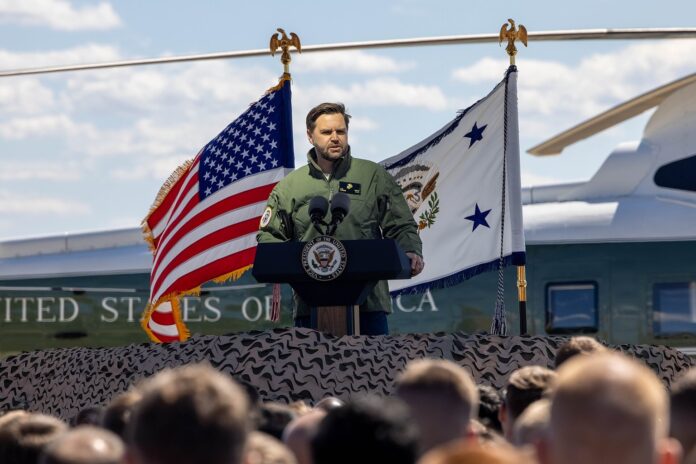
The naming of Tropical Storm Vance in the eastern Pacific created an unexpected convergence of weather forecasting and internet culture on Wednesday. The National Hurricane Center’s announcement of the storm coincided with Vice President JD Vance generating headlines for his remarks regarding Republican objections to a political attack advertisement. The timing proved irresistible to social media users, who rapidly generated a flood of humorous content referencing both the meteorological system and its namesake officeholder.
According to the Associated Press, Tropical Storm Vance was positioned approximately 520 miles south of Acapulco, Mexico, and presented no immediate risk to land areas at the time of announcement. Weather forecasters at Accuweather, however, predicted that the system possessed the potential to intensify into a Category 3 hurricane, with capabilities to deliver heavy rainfall, rough ocean swells, and powerful winds to Mexico’s Pacific coastline, even without making direct landfall. The meteorological agency noted that the storm’s development would depend on atmospheric conditions in coming days.
- Tropical Storm Vance located approximately 520 miles south of Acapulco, Mexico
- Accuweather forecast potential Category 3 strengthening with heavy rain and gusty winds predicted for Mexico’s Pacific coast
- National Hurricane Center confirmed no immediate threat to land areas at announcement time
- The storm’s naming followed standard National Hurricane Center protocols unrelated to the Vice President
Why It Matters
The viral reaction to Tropical Storm Vance demonstrates the modern intersection of weather reporting, politics, and digital culture. In an era of constant social media engagement, meteorological announcements become opportunities for public commentary and humor that extends well beyond traditional weather discussions. The incident illustrates how naming conventions established by weather agencies, which operate independently of political considerations, can unexpectedly intersect with the news cycle and current political figures, creating moments of widespread public engagement.
Beyond the humorous dimension, the actual weather system carries genuine consequences for communities in its path. Mexico’s Pacific coast faces potential impacts from the developing storm, making accurate forecasting and preparedness crucial for residents and emergency management officials. The public attention generated by the naming coincidence, while largely satirical, does bring visibility to weather threats that could affect real populations. This dynamic—where internet culture amplifies awareness of actual weather dangers—reflects the complex ways information now travels through society.
- Demonstrates how political figures and weather systems can unexpectedly converge in public discourse through social media
- Highlights the independent, non-political nature of hurricane naming protocols that predate current office holders
- Brings heightened public awareness to actual weather threats facing Mexico’s Pacific communities
- Reflects broader cultural trends of converting current events into digital humor and meme content
Political and Public Context
Tropical storm naming conventions follow established protocols developed by the National Hurricane Center, with names assigned in advance regardless of political circumstances. The storm naming system uses predetermined lists that cycle through multiple years, ensuring that hurricane and tropical storm designations follow meteorological rather than political logic. This distinction became relevant as social media commentary highlighted that Tropical Storm Vance, like all named systems, received its designation through weather science rather than any connection to current political figures.
The public response to the naming coincidence drew parallels to previous instances of weather-related internet humor, most notably a 2019 tropical depression designated as Karen. Such moments reveal how contemporary audiences readily engage with the intersection of official nomenclature and popular culture references. The viral nature of these reactions also underscores the extensive reach of social media in amplifying and spreading jokes across large populations within hours of an announcement. Weather agencies have increasingly become aware that their routine announcements may generate substantial public engagement through digital channels, regardless of meteorological severity.
- Hurricane and tropical storm names follow predetermined lists established by the National Hurricane Center independent of political timing
- Previous weather naming coincidences, such as Tropical Depression Karen in 2019, generated similar social media humor
- Modern communication technology enables rapid global distribution of internet jokes and memes related to official announcements
- Weather agencies maintain naming protocols that preclude political considerations or adjustments based on current officeholders
New Tropical Storm Is Named 'Vance' And Social Media Is Flooded With Jokes #HuffingtonPost https://t.co/ElgB7Gka9r
— #TuckFrump (@realTuckFrumper) October 22, 2026
What Happens Next
Tropical Storm Vance is forecast to continue its development in the eastern Pacific, with meteorologists monitoring its track and potential intensification over coming days. Accuweather projections suggest the system could strengthen significantly due to warm ocean waters and favorable atmospheric conditions in the region. Mexico’s Pacific coast communities remain under observation as forecasters refine predictions regarding potential rainfall, wind speeds, and coastal impacts. Emergency management officials in affected areas will likely increase preparedness efforts and public communication regarding the storm’s trajectory.
The social media momentum surrounding the storm’s name will likely persist as long as the system remains in the news cycle. Weather updates and tracking information will continue to generate humorous commentary online, maintaining the public’s engagement with the meteorological event through digital humor. Simultaneously, forecasters will continue their serious work of monitoring the storm’s behavior and providing accurate information to communities that may face actual impacts. The dual nature of public and scientific attention—entertainment on social platforms coupled with genuine meteorological analysis—will define the story’s progression in coming days.
- Tropical Storm Vance expected to continue strengthening over warm eastern Pacific waters
- Mexico’s Pacific coast monitoring for potential heavy rain, winds, and coastal impacts from the system
- Forecasters will refine track predictions and intensity estimates as atmospheric data becomes available
- Social media commentary likely to continue throughout the storm’s lifecycle, maintaining viral engagement with the naming coincidence