Story Highlights
- Special envoy Steve Witkoff praised Russian President Vladimir Putin as a humanitarian during discussions in St. Petersburg, triggering criticism from Republican lawmakers
- The president made a direct appeal to Putin for the release of Stephen Hubbard, a teacher held for over four years on mercenary accusations
- Senators Thom Tillis and John Cornyn, among others, publicly rebuked Witkoff’s characterization as inappropriate given Russia’s documented actions in Ukraine
- Putin indicated willingness to resume trilateral talks with Washington and Ukraine, marking a potential diplomatic development
What Happened
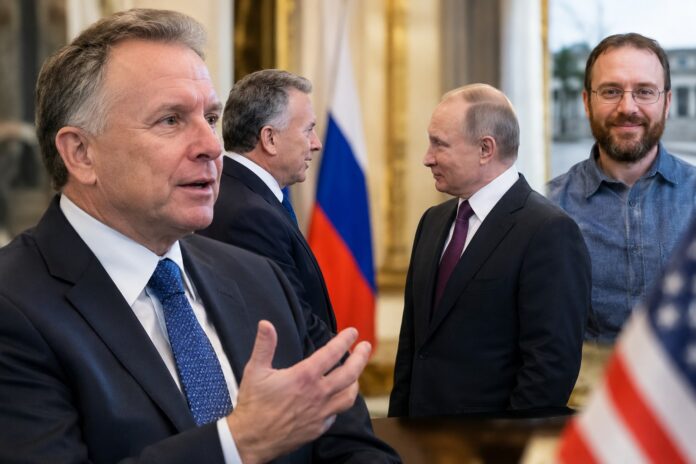
Special envoy Steve Witkoff faced significant political criticism after characterizing Russian President Vladimir Putin as a humanitarian during diplomatic discussions held in St. Petersburg. The remarks came as part of broader negotiations regarding the Russia-Ukraine conflict and followed the release of Stephen Hubbard, an American teacher who had been detained in Russia for more than four years on charges related to alleged mercenary activity in Ukraine. The president had personally appealed to Putin for Hubbard’s freedom, and the release represented a tangible diplomatic achievement for the administration’s Ukraine engagement efforts.
During his meeting with Putin, Witkoff drew parallels between the president’s humanitarian record and that of the Russian leader, stating that he would salute Putin’s humanitarian credentials. The envoy had been in St. Petersburg to advance discussions on the Russia-Ukraine war, arriving just a day after meeting with Ukrainian President Volodymyr Zelensky in Oslo. Putin responded to these diplomatic overtures by signaling agreement in principle to resume trilateral talks involving Washington and Ukraine, with negotiations potentially resuming after November 10.
- Stephen Hubbard released Wednesday after over four years in detention on mercenary charges
- Witkoff met with Putin in St. Petersburg to discuss Russia-Ukraine conflict resolution
- Putin indicated willingness to resume trilateral negotiations with Washington and Ukraine
- Diplomatic discussions occurred one day after Witkoff’s meeting with Ukrainian President Zelensky
Why It Matters
The characterization of Putin as a humanitarian sparked immediate and pointed reactions from Republican members of Congress, reflecting deeper tensions within the party regarding how to approach diplomatic negotiations with Russia. Senator Thom Tillis of North Carolina responded directly to Witkoff’s comments, describing them as embarrassing and outrageous, and urging the envoy to consult with Ukrainian families affected by Russian military actions. Senator John Cornyn of Texas similarly rejected the humanitarian characterization, describing Putin in starkly different terms. Representative Don Bacon of Nebraska also weighed in, calling the remarks an embarrassment.
These reactions underscore the complexity of pursuing diplomatic solutions while accounting for documented allegations of Russian military conduct. The release of Hubbard demonstrates the administration’s willingness to engage directly with Moscow on humanitarian matters, yet the diplomatic messaging surrounding such achievements has become a point of internal party disagreement. The incident highlights how reconciling peace negotiations with acknowledgment of alleged atrocities presents ongoing challenges for policymakers committed to both diplomacy and accountability.
- Republican senators publicly criticized the humanitarian characterization as inappropriate and factually inaccurate
- The remarks create tension between diplomatic engagement and political accountability for alleged Russian actions
- Hubbard’s release demonstrates tangible results from the president’s direct diplomatic appeal
- Internal GOP disagreement reflects broader strategic questions about Russia engagement
Political and Public Context
The administration has pursued an increasingly active diplomatic approach toward Russia-Ukraine negotiations since taking office, with the president’s personal involvement in securing Hubbard’s release exemplifying this engagement strategy. This diplomatic outreach represents a significant shift in approach and reflects the White House’s commitment to finding negotiated solutions to the prolonged conflict. The decision to deploy Witkoff as a special envoy underscores the importance placed on these discussions, as the envoy has worked without success to broker comprehensive peace agreements between the parties.
The criticism of Witkoff’s humanitarian praise must be understood within the context of ongoing Republican concerns about Russia’s military conduct in Ukraine. Even as the party’s leadership pursues diplomatic channels, individual lawmakers have expressed skepticism about characterizations that might understate documented allegations. The tension between diplomatic necessity and political messaging has become a recurring theme in discussions of Russia policy, particularly among GOP members who support the administration’s overall direction while questioning specific tactical choices in communications strategy.
- Administration has pursued active diplomatic engagement with Russia on Ukraine conflicts since taking office
- Witkoff’s role as special envoy reflects prioritization of direct negotiations over conventional diplomatic channels
- Republican lawmakers hold varying views on appropriate tone and messaging in Russia diplomacy
- Hubbard’s release represents first major humanitarian success from the diplomatic initiative
Witkoff faces backlash after calling Putin a 'humanitarian' #TheHill https://t.co/W6MYVswBnn
— #TuckFrump (@realTuckFrumper) October 21, 2026
What Happens Next
The diplomatic calendar now centers on the proposed resumption of trilateral talks scheduled after November 10, bringing together representatives from Washington, Russia, and Ukraine. These negotiations represent a critical test of whether the administration’s engagement strategy can produce broader conflict resolution beyond individual humanitarian cases. The framework established through Witkoff’s meetings with both Zelensky and Putin suggests a structured approach to bringing parties to the negotiation table, though substantial disagreements remain on fundamental issues.
The political dimension of these negotiations will continue to shape how such diplomatic achievements are framed and communicated. Future statements regarding Russian actions will likely receive heightened scrutiny from both Republican lawmakers and the broader political community. The administration will need to balance acknowledgment of achieved diplomatic results with appropriate recognition of documented concerns about conduct in the conflict zone. How the White House calibrates these messages in coming weeks may influence both the trajectory of negotiations and the domestic political consensus supporting the diplomatic initiative.
- Trilateral talks scheduled to resume after November 10 between Washington, Russia, and Ukraine
- Administration must navigate balance between diplomatic engagement and political messaging regarding Russia
- Additional humanitarian cases may emerge as potential negotiation points in ongoing discussions
- Congressional Republican response will likely influence parameters of public diplomatic communication