Story Highlights
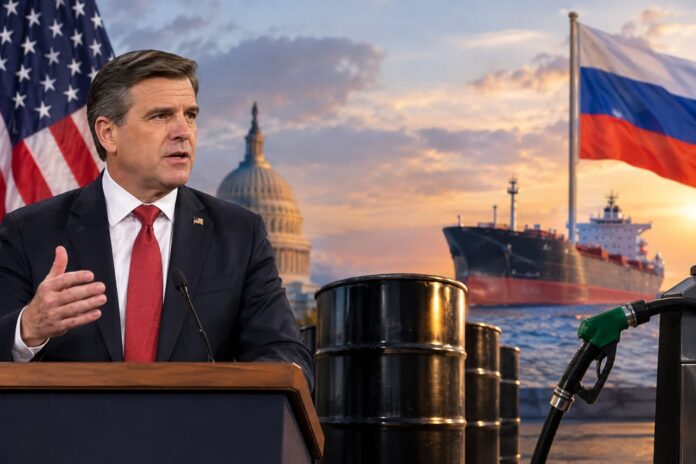
- Iowa Senate GOP candidate Ashley Hinson expressed concerns about the administration’s recent diesel agreement with Russia, stating domestic solutions should take priority
- Hinson advocated for American-centered approaches including temporary gas tax reductions, diesel rebate programs for producers, and expanded biofuel investment
- Six GOP senators joined the criticism of the Russia deal, reflecting broader party concerns about negotiating with adversaries on energy matters
- The issue created complications for other Republican candidates seeking to balance energy price concerns with foreign policy positions
What Happened
During Iowa’s second televised Senate debate, the GOP candidate expressed reservations about the White House’s recently announced agreement to import 300,000 tons of diesel from Russia into the U.S. and global markets. This deal represents an attempt to address elevated fuel prices ahead of upcoming elections, but has prompted significant pushback from multiple quarters within the Republican Party itself.
The candidate’s position emphasized that while lowering diesel and gasoline prices remains a legitimate priority for American consumers and agricultural producers, the mechanism for achieving this goal matters significantly. She outlined an alternative framework centered on domestic energy independence and homegrown solutions that would benefit the American economy without creating relationships that strengthen adversarial nations.
- The administration announced the 300,000-ton diesel import agreement with Russia
- Hinson stated concerns during the WHO 13 televised Iowa Senate debate
- Six GOP senators issued a letter criticizing the Russia deal on the same day
- Her opponent in the debate, Turek, agreed with her assessment of the Russia arrangement
Why It Matters
Energy pricing represents one of the most tangible economic concerns affecting American households and agricultural operations across the nation’s heartland. Iowa, as a major agricultural and biofuel production state, faces particular sensitivity to both fuel costs and policy decisions affecting energy sectors. The tension between achieving near-term price relief and maintaining principled foreign policy positions reflects a genuine dilemma facing Republican leadership.
Hinson’s articulation of alternative approaches demonstrates that addressing energy affordability need not require compromises with geopolitical adversaries. Her proposed framework of temporary tax adjustments, producer support mechanisms, and domestic biofuel development represents a distinct policy philosophy that prioritizes American economic solutions over international arrangements with questionable reliability. This positioning appeals to voters concerned about both inflation and national security considerations.
The candidate’s earlier observation that Iowans face costs related to foreign conflicts underscores voter sensitivity to how international events directly impact household budgets. This awareness shapes how Republican candidates must navigate discussions of energy policy and foreign affairs simultaneously, particularly in competitive battleground states where economic concerns drive electoral decisions.
- Energy prices directly affect household expenses and agricultural operational costs throughout Iowa
- Domestic biofuel and renewable energy sectors represent significant economic opportunities for rural communities
- Republican voters in swing states weigh both inflation relief and national security in electoral decisions
- Foreign policy arrangements involving adversaries create political complications for multiple GOP candidates
Political and Public Context
The Russia diesel deal has created an unusual fissure within Republican ranks, with six GOP senators formally expressing opposition through a signed letter released the same day as the Iowa debate. This bipartisan skepticism regarding negotiations with Russia reflects longstanding American policy positions regarding sanctions, deterrence, and strategic competition with adversarial powers.
Other Republican candidates have faced similar pressure to respond to the arrangement, creating awkward moments where they must balance respect for presidential authority with constituent concerns about dealing with Russia. The debate surrounding energy policy intersects with broader discussions about American manufacturing capacity, agricultural support, and regional economic development.
Iowa’s particular significance in national politics stems from its status as both an agricultural powerhouse and a bellwether state in presidential contests. The state’s biofuel industry represents a distinctive American competitive advantage and employment base that provides alternative solutions to imported energy products. Republican candidates representing Iowa face distinct constituent expectations regarding how they balance competing priorities of cost relief, economic development, and principled foreign policy.
- Six GOP senators publicly criticized the Russia diesel agreement
- South Carolina Senator Graham declined to clearly support or oppose the arrangement during her own debate
- Iowa’s biofuel industry provides thousands of jobs and represents genuine economic opportunity
- Energy pricing has historically influenced electoral outcomes in agricultural regions
Hinson breaks with Trump on Russia diesel deal #TheHill https://t.co/QPtC3cE7GX
— #TuckFrump (@realTuckFrumper) October 14, 2026
What Happens Next
As the electoral calendar progresses, Republican candidates will likely continue navigating questions about the Russia deal and energy policy approaches more broadly. The debate highlighted genuine divisions within the party regarding optimal strategies for addressing fuel prices, with some candidates emphasizing American domestic solutions while others navigate more complex relationships with executive branch decisions.
Senate candidates in competitive races will face increased pressure to articulate clear positions on energy policy that distinguish their approaches from both Democratic opponents and disagreements within their own party. The Russia diesel arrangement may become a persistent issue throughout campaign seasons, particularly in states where agriculture and fuel costs directly impact constituent concerns.
Hinson’s advocacy for gas tax reductions, diesel rebates for producers, and biofuel investments could influence how other Republican candidates frame energy policy proposals. If these alternatives gain traction among voters and within party discussions, they may reshape the broader Republican approach to addressing energy affordability without requiring compromises on foreign policy principles.
- Republican candidates will face continued questions about energy policy during campaign events
- Alternative domestic solutions may influence party platform development regarding energy
- Voter feedback in Iowa and other agricultural states will shape candidate positioning
- The Russia deal’s impact on fuel prices will likely be cited by candidates supporting either approach