Story Highlights
- President Trump continues to assert that voter fraud is widespread in the United States.
- Evidence from multiple studies indicates that claims of rampant voter fraud are largely unfounded.
- Conservative activists, including J. Christian Adams, advocate for stricter voting laws based on these claims.
- The implications of these assertions could lead to disenfranchisement of legal voters, particularly among communities of color.
What Happened
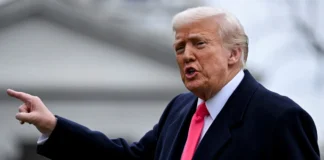
In recent months, President Trump has reiterated his claims regarding voter fraud, suggesting that illegal voting is a significant issue affecting the integrity of elections in the United States. His statements have sparked a heated debate among political analysts, activists, and the general public. Despite the president’s assertions, a plethora of studies and investigations have consistently shown that instances of voter fraud are exceedingly rare. This discrepancy raises questions about the motivations behind such claims and the potential consequences for the electoral process.
One prominent figure in this ongoing discussion is J. Christian Adams, a conservative activist and former trial attorney for the U.S. Department of Justice. Adams, who was appointed to Trump’s Presidential Advisory Commission on Election Integrity in 2017, has been vocal about his belief in systemic voter fraud. During a recent interview on the podcast ‘More To The Story,’ he claimed that noncitizens are voting illegally and that this issue is widespread. However, when challenged on these assertions, Adams abruptly ended the interview, highlighting the contentious nature of this debate.
- J. Christian Adams is the president of the Public Interest Legal Foundation.
- He was appointed to the Presidential Advisory Commission on Election Integrity in 2017.
- Adams claims systemic voter fraud exists in the U.S.
- The interview with Al Letson highlighted the lack of evidence supporting these claims.
Why It Matters
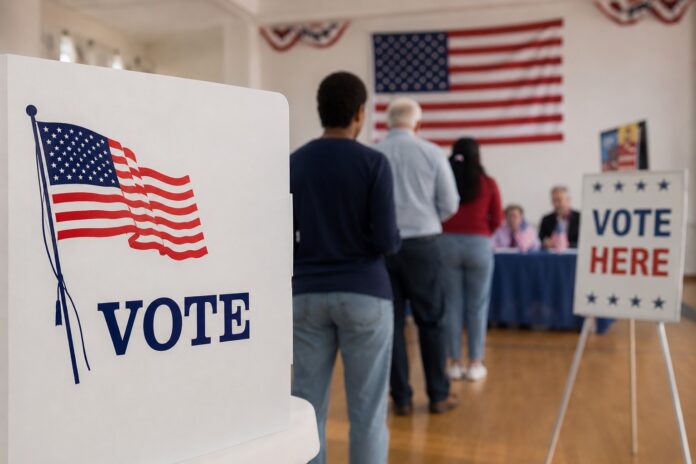
The implications of President Trump’s claims about voter fraud extend far beyond mere rhetoric. If left unchallenged, these assertions could lead to significant changes in voting laws across the country. Stricter voter ID laws and other voting restrictions, often justified by claims of fraud, could disenfranchise legal voters, particularly among marginalized communities. This is especially concerning given that studies have shown that voter ID laws disproportionately affect voters of color, the elderly, and low-income individuals.
Moreover, the narrative surrounding voter fraud can undermine public confidence in the electoral process. When citizens believe that their votes may not count due to widespread fraud, it can lead to decreased voter turnout and engagement. This is detrimental to the democratic process, as it silences the voices of those who may feel their participation is futile.
- Stricter voting laws could disenfranchise legal voters, particularly among communities of color.
- Public confidence in the electoral process may be undermined by claims of widespread fraud.
- Decreased voter turnout could result from the perception that elections are rigged.
- Legal challenges to voting restrictions may arise as a response to these claims.
Political and Public Context
Understanding the context of these claims is crucial for grasping their potential impact. The issue of voter fraud has been a contentious topic in American politics for decades. However, the current administration has amplified these discussions, often using them to justify legislative changes aimed at tightening voting regulations. The narrative of widespread fraud has been perpetuated by various conservative activists and organizations, who argue that such measures are necessary to protect the integrity of elections.
In recent years, several states have enacted stricter voting laws, citing concerns over voter fraud. These laws often include requirements for photo identification, proof of citizenship, and restrictions on mail-in voting. Critics argue that these measures are not only unnecessary but also serve to disenfranchise vulnerable populations. The debate surrounding these laws continues to evolve, with ongoing legal battles and public protests highlighting the deep divisions within the country regarding voting rights.
- Several states have enacted stricter voting laws in response to claims of fraud.
- Critics argue that these laws disproportionately affect marginalized communities.
- Legal battles over voting restrictions are ongoing across the country.
- The narrative of voter fraud has been a longstanding issue in American politics.
Read "Trump Says Voter Fraud is Rampant. The Evidence Says Otherwise." on SmartNews: https://t.co/IGDtBj80DD #SmartNews
— Trump Sucks (@JerryGi93983941) October 8, 2026
What Happens Next
The future of voting rights and regulations in the United States remains uncertain. As the debate over voter fraud continues, it is likely that more states will consider implementing stricter voting laws. This could lead to further legal challenges and public outcry from those who believe that such measures are unjust and discriminatory. The potential for increased polarization on this issue is significant, as both sides of the debate mobilize their supporters to advocate for their respective positions.
Moreover, the role of conservative activists like J. Christian Adams will likely remain influential in shaping the narrative around voter fraud. Their advocacy for stricter laws may continue to resonate with certain segments of the population, further complicating the discourse surrounding voting rights. As the 2024 elections approach, the implications of these discussions will be felt more acutely, as candidates and parties navigate the complex landscape of voter engagement and electoral integrity.
- More states may consider implementing stricter voting laws in the near future.
- Legal challenges to these laws are likely to continue.
- The role of conservative activists will remain influential in shaping the narrative.
- The upcoming 2024 elections will bring heightened attention to voting rights issues.