Story Highlights
- President Trump’s comments regarding Iran and California cities sparked intense reactions across the political spectrum in Los Angeles and San Diego
- Residents expressed concern over the remarks, with some viewing them as part of the administration’s broader challenge to progressive governance on the West Coast
- The comments reignited debate over the president’s strategy toward California, a state that has been a consistent focal point of his political messaging
- Military communities in San Diego, home to significant naval installations, expressed particular concern about the national security implications
What Happened
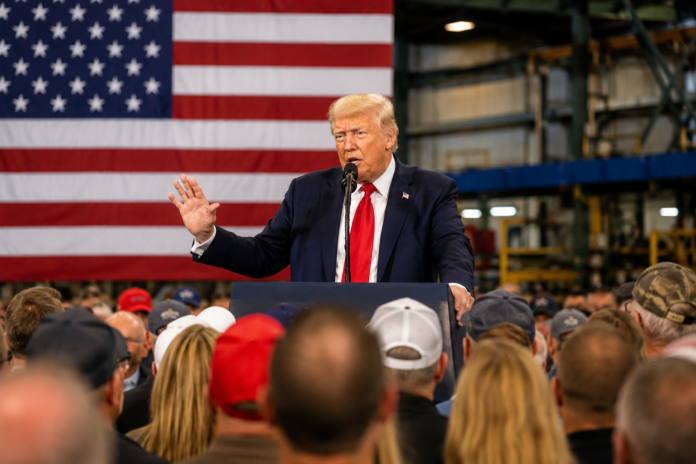
During a rally in Nebraska on Monday evening, President Trump made remarks suggesting that Iran could potentially target Los Angeles and San Diego. The comments, delivered before an enthusiastic crowd, immediately generated significant reaction throughout California’s major urban centers. Residents across both cities reported learning of the remarks through social media and news coverage early Tuesday morning as they contended with record-breaking heat conditions affecting the region.
The statements drew responses ranging from shock to anger, with many California residents viewing them as representative of the administration’s ongoing confrontational stance toward progressive West Coast governance. Political figures including California’s governor characterized the remarks as problematic in their implications. The comments appeared to reflect the president’s sustained focus on challenging liberal-dominated states and their policies, a theme that has defined much of his political messaging since taking office.
- Remarks made at Nebraska rally Monday evening regarding Iran and two major California cities
- Immediate negative reactions from Los Angeles and San Diego residents Tuesday morning
- California governor’s office issued strong response characterizing remarks as dangerous
- Particular concern expressed in San Diego due to concentration of military installations and veteran population
Why It Matters
The president’s comments underscore his administration’s sustained focus on California as a key political battleground. His rhetoric targeting the state’s progressive policies and urban centers reflects a strategic approach to highlighting governance differences between the administration and Democratic-controlled states. For many conservative observers, the president’s willingness to directly challenge California’s political direction represents an important aspect of his broader agenda to reshape federal-state relations and question progressive policy outcomes.
The remarks also demonstrate how deeply polarized national discourse has become regarding major American cities. The president’s comments, whether interpreted literally or rhetorically, have reignited fundamental questions about how political figures communicate criticism of opposing governance models. For supporters, his direct confrontation with California represents necessary accountability for progressive policies they believe have failed residents. For critics, the tone and nature of the comments themselves became the issue, overshadowing policy substance.
The military dimension proves particularly significant given San Diego’s status as home to roughly 250,000 veterans and one of the nation’s largest concentrations of active military personnel. The remarks touched a nerve in a community with substantial national security concerns and military family representation.
- Reinforces administration’s strategy to highlight policy failures in progressive states
- Intensifies national conversation about federal-state governance conflicts
- Affects military communities and national security perception in major naval hub
- Demonstrates president’s sustained engagement with California as political flashpoint
Political and Public Context
The president’s comments must be understood within the context of his administration’s broader California strategy, which has included deployment of federal resources in Los Angeles to address immigration enforcement in 2025. These actions represented tangible manifestations of the administration’s determination to challenge California’s sanctuary policies and progressive immigration stance. The recent remarks extend this pattern of direct confrontation with the state’s political direction.
California has long served as a focal point for the president’s political messaging, representing a state where he believes progressive policies have produced negative outcomes. His repeated criticism of Democratic governance in major cities reflects a strategy to draw contrasts with his administration’s approach. For his supporters, this positioning underscores his commitment to addressing what they view as failed urban management and destructive progressive policies. The state’s status as the nation’s most populous and economically significant Democratic stronghold makes it a natural target for political messaging emphasizing governance differences.
Historical context matters here as well. The president’s willingness to directly challenge California cities represents a departure from traditional diplomatic restraint regarding major American metropolitan areas. His supporters view this directness as refreshing accountability, while opponents see it as unprecedented and concerning. This fundamental disagreement over the appropriateness of presidential rhetoric has become a defining feature of current political discourse.
- 2025 ICE enforcement operations in Los Angeles demonstrated administration’s commitment to challenging state policies
- California’s status as largest Democratic state makes it centerpiece of president’s political messaging
- Long-running debate over progressive urban governance failure versus thriving diverse communities
- Military presence in San Diego adds national security dimension to political conflict
Here's What Legal Experts Say About Trump's Appalling Remarks About California #HuffingtonPost https://t.co/EkX42Ob6C8
— #TuckFrump (@realTuckFrumper) October 6, 2026
What Happens Next
The immediate political aftermath will likely involve continued debate over how the president’s statements should be interpreted and whether they represent legitimate political criticism or inappropriate commentary. Congressional responses may follow established partisan lines, with Republican lawmakers potentially defending the remarks as rhetorical critique of progressive policy outcomes, while Democratic representatives express concern about national security implications. The intensity of this response may influence how the White House recalibrates its messaging regarding California going forward.
The administration’s California policy agenda will likely continue independent of the immediate reaction to the remarks. Federal enforcement operations, regulatory challenges to state policies, and continued political messaging emphasizing governance contrasts appear poised to remain central to the administration’s strategy. Whether the president adjusts his rhetorical approach or maintains his current directness remains to be seen, though his political coalition has historically responded positively to his willingness to challenge progressive cities and states.
California residents and political leadership will probably use the remarks to mobilize support for their policy positions and challenge the president’s characterization of the state. Democratic officials may seek to use the incident to energize their base and highlight contrasts with the administration. Meanwhile, some California voters sympathetic to the president’s critique of progressive governance may view the remarks as validation of their concerns about the state’s direction.
- Congressional response expected to follow established partisan patterns
- Administration likely to continue federal enforcement operations targeting state policies
- Debate over presidential rhetoric interpretation will persist in political discourse
- California Democratic leadership expected to use incident to mobilize opposition and highlight governance concerns