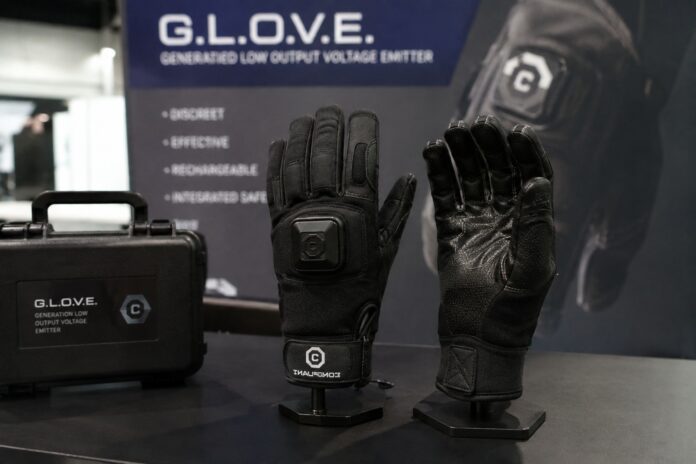
Story Highlights
- A 2024 US Army study documented that electric shock gloves caused intense pain and psychological distress to soldiers during mock detention scenarios
- The Immigration and Customs Enforcement agency finalized a purchase of 6,650 pairs for approximately $16.7 million despite awareness of the Army’s findings
- Test results indicated the gloves created fear responses and confidence disparities between users, raising questions about their operational effectiveness
- The devices, known as GLOVEs or Generated Low Output Voltage Emitter technology, have been described as low-optics weapons that minimize visible injury
What Happened
A recently released military study has brought significant attention to concerns surrounding electric shock gloves that federal authorities have moved to deploy. Records obtained by the watchdog organization American Oversight and shared with the Associated Press detail findings from trials conducted by the United States Army during 2024. These trials examined how the devices performed in simulated forced cell extraction scenarios involving military personnel acting as combative detainees.
The Army’s testing revealed that the shock gloves delivered what researchers characterized as overwhelmingly immediate and intense pain to test subjects. Beyond the physical effects, participants reported experiencing substantial psychological responses. Notably, test subjects indicated that merely observing the gloves created fear responses that influenced their behavior during scenarios, with some describing the visual presence of the equipment as sufficient to enforce compliance.
- US Army conducted trials in 2024 examining device performance in mock detention scenarios
- Immigration and Customs Enforcement finalized purchase of 6,650 pairs in September for $16.7 million from Compliant Technologies
- Study documented intense pain, psychological distress, and prolonged fear responses in test participants
- ICE was aware of Army findings prior to finalizing its purchase decision
Why It Matters
The Army study’s findings carry significant implications for how these devices may be deployed within federal detention facilities. The research documented that while the shock gloves produced intense pain responses, they did not demonstrably reduce the time required to control a combative individual or facilitate transfers more efficiently than alternative methods. This raises fundamental questions about whether the devices’ primary value derives from their stated control functions or from their psychological impact through fear conditioning.
Test conditions revealed additional concerns regarding the technology’s reliability. In one instance, a participant accidentally activated the gloves, while in another scenario, individuals acting as detainees successfully resisted personnel wearing the devices for longer durations than they resisted unarmed personnel. Environmental factors also influenced the devices’ effects, with participants possessing moisture on their skin experiencing significantly elevated pain levels. One test subject reported experiencing lingering pain sensations lasting approximately 30 minutes following exposure.
- Devices did not demonstrate improved effectiveness at controlling detainees compared to alternative methods
- Psychological trauma responses included heightened fear, reluctance to resist, and lingering anxiety about future exposure
- Environmental factors such as skin moisture significantly affected pain intensity and device effectiveness
- Confidence disparities between users and targets could influence behavior patterns and potential for misuse
Political and Public Context
The acquisition of these devices by immigration enforcement authorities represents a broader trend toward adopting technologies that law enforcement agencies characterize as minimizing visible injury while maintaining behavioral control functions. The classification of such equipment as low-optics reflects strategic considerations within enforcement circles regarding public perception and legal vulnerability. Devices that inflict pain without leaving visible marks present different liability profiles than traditional tools that produce observable physical evidence.
The manufacturer of the devices, Compliant Technologies, a Kentucky-based company, has promoted the technology using language emphasizing safety and humanitarian considerations. Representatives from the manufacturer have characterized the devices as among the safest and most deescalatory tools available, a characterization that contrasts sharply with the Army study’s documentation of intense pain and psychological distress experienced by test participants.
- Law enforcement has adopted low-optics terminology to describe weapons that minimize visible injury while maintaining control functions
- Manufacturer promotional materials characterize devices as safe and humane despite military study findings
- Federal immigration authorities indicated willingness to deploy technology despite advance awareness of Army study results
- Implementation timeline extends into the future rather than immediate comprehensive adoption
Army study found shock gloves purchased by ICE cause pain, compliance and fear https://t.co/BZa0Lz51In
— ABC13 Houston (@abc13houston) October 7, 2026
What Happens Next
The deployment timeline for these devices remains unclear, though federal officials indicated that implementation would extend over time before operational use begins across detention facilities. The decision regarding how and where the technology will first be introduced, and what protocols will govern its use, will depend on institutional policies being developed within the immigration enforcement agency. These policy decisions will likely face scrutiny from civil rights organizations and legal advocates concerned with implications documented in the Army study.
Questions surrounding regulatory oversight and accountability mechanisms remain unresolved. As the devices move toward field deployment, questions will emerge regarding training requirements for authorized personnel, incident reporting procedures, and oversight mechanisms to prevent misuse. The documented psychological effects and inconsistent performance in controlled testing scenarios suggest that operational deployment may produce different results than laboratory conditions.
- Federal agencies have not yet established operational deployment protocols or training requirements for personnel
- Civil rights organizations and watchdog groups are likely to challenge implementation based on Army study findings
- Regulatory oversight mechanisms and incident reporting procedures remain to be established
- Legal challenges regarding use of the technology in detention facilities may emerge prior to widespread deployment