Story Highlights
- President Trump emphasizes a strong military posture towards Iran.
- He remains open to diplomatic discussions with Iranian leadership.
- U.S. embassies in the Middle East issue security alerts amid rising tensions.
- Upcoming UN General Assembly may provide a platform for further negotiations.
What Happened
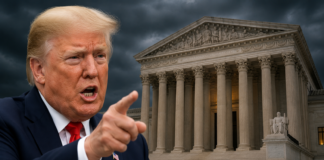
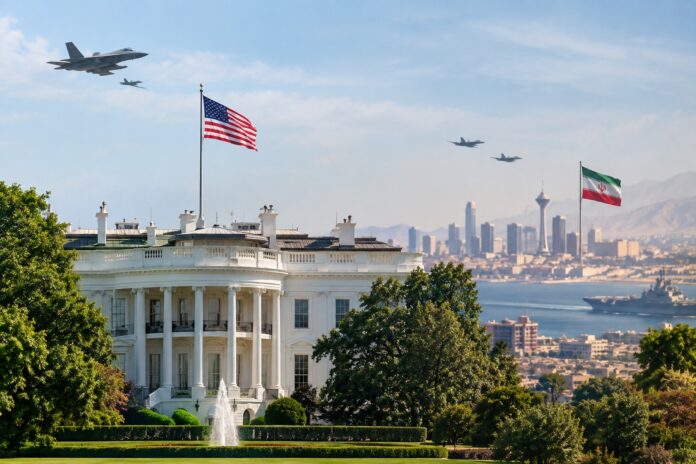
This past weekend, President Trump made headlines with a stark warning directed at Iran, indicating that he is prepared to take significant military action if necessary. In an interview with Fox News, he stated that it is only a matter of time until he is ready to ‘blow the entire nation up.’ This statement underscores the administration’s tough stance on Iran, which has been a focal point of U.S. foreign policy. The president’s remarks come as tensions in the region have escalated, particularly following increased attacks by Iran-allied Houthi rebels on Saudi Arabia.
During the interview, Trump described himself as being in ‘deciding mode,’ suggesting that he is weighing various options regarding Iran’s future. He mentioned three potential paths: ‘wiping Iran out, letting them rot economically, or making a deal.’ This indicates a strategic balance in his approach, where military action is on the table, but diplomatic avenues remain open. The president also expressed a willingness to meet with Iranian President Masoud Pezeshkian during the upcoming United Nations General Assembly in New York City, signaling that he is not entirely dismissing the possibility of negotiations.
- Trump warned of potential military action against Iran.
- He indicated he is in ‘deciding mode’ regarding Iran’s future.
- U.S. embassies issued security alerts due to rising tensions.
- Trump is open to meeting with Iranian leadership at the UN General Assembly.
Why It Matters
The implications of President Trump’s statements are significant for both U.S. foreign policy and the geopolitical landscape of the Middle East. His administration’s approach to Iran has been characterized by a combination of military readiness and diplomatic engagement, a strategy that aims to deter aggression while leaving the door open for negotiations. This dual approach is crucial, especially given the volatile nature of the region and the potential for conflict to escalate rapidly.
Moreover, the president’s comments come at a time when U.S. embassies across the Middle East have issued security alerts, warning of the potential for unforeseen escalation. This highlights the precarious situation that American interests face in the region, particularly with Iran’s influence extending through various proxy groups. The administration’s tough rhetoric serves as a warning to Iran and its allies that any aggressive actions will not be tolerated.
- Increased military readiness may deter Iranian aggression.
- U.S. interests in the Middle East are at risk amid rising tensions.
- Potential diplomatic talks could lead to a resolution of conflicts.
- Iran’s actions could provoke a stronger U.S. response.
Political and Public Context
Understanding the context of President Trump’s statements requires a look at the broader geopolitical dynamics at play. The U.S. has long viewed Iran as a destabilizing force in the Middle East, particularly due to its support for militant groups and its nuclear ambitions. The administration’s previous withdrawal from the Iran nuclear deal in 2018 marked a significant shift in U.S. policy, leading to increased sanctions and heightened tensions.
In recent months, the situation has become even more complex, with the Houthis intensifying their attacks on Saudi Arabia, which has prompted the U.S. to bolster its military presence in the region. The president’s remarks reflect a recognition of the delicate balance that must be maintained between military action and diplomatic efforts. As the UN General Assembly approaches, the potential for dialogue with Iranian leadership could provide an opportunity for de-escalation, but it remains to be seen whether Iran will respond positively to such overtures.
- The U.S. withdrew from the Iran nuclear deal in 2018, increasing tensions.
- Iran’s support for militant groups poses a threat to regional stability.
- Houthi attacks on Saudi Arabia have escalated recently.
- The upcoming UN General Assembly may serve as a diplomatic platform.
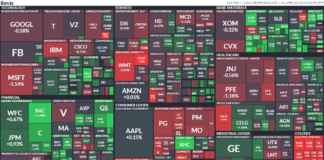
Oil prices fell sharply fell for a fifth straight trading session, reaching a two-week low on hopes of a renewed diplomatic push to end the Iran war and optimism over the reopening of a critical pipeline in Saudi Arabia. https://t.co/LEWrUhiNRt
— NBC News (@NBCNews) September 22, 2026
What Happens Next
Looking ahead, the situation with Iran remains fluid, and several key developments are anticipated in the coming weeks. The UN General Assembly will be a critical moment for U.S.-Iran relations, as President Trump may have the opportunity to engage directly with Iranian leadership. This could either pave the way for renewed negotiations or further escalate tensions, depending on the responses from both sides.
Additionally, the administration’s military posture will likely remain a focal point, as the president has indicated that he is prepared to take decisive action if necessary. The potential for conflict remains high, particularly if Iran continues its aggressive actions in the region. As such, the international community will be closely monitoring developments, as any miscalculation could lead to significant consequences.
- Trump may engage with Iranian leadership at the UN General Assembly.
- Military readiness will remain a priority for the administration.
- Potential for conflict remains high if tensions escalate.
- International community will watch closely for developments.