Story Highlights
- President Trump characterized CIA Director John Ratcliffe’s trip to Russia as a standard intelligence operation, dismissing speculation about broader implications
- The White House confirmed Ratcliffe met with Russian intelligence counterparts in Moscow but did not meet with President Putin
- The administration requested Ukrainian officials pause long-range strikes on Russian targets during the visit window
- Trump suggested both Russia and Ukraine seek resolution to the ongoing conflict
What Happened
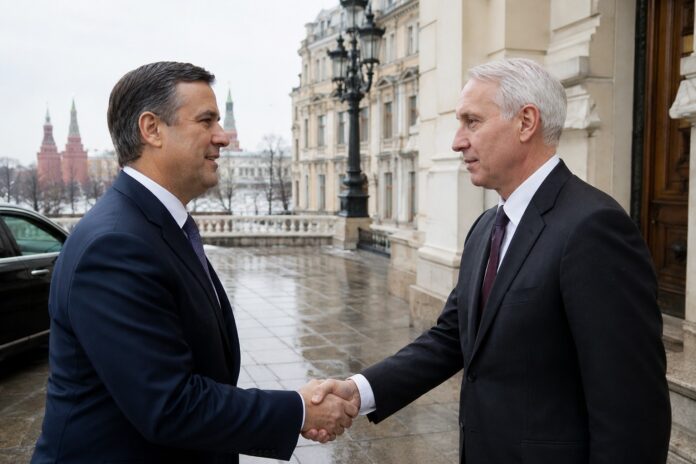
CIA Director John Ratcliffe traveled to Russia this week for meetings with Russian intelligence officials, a visit that drew immediate scrutiny and speculation about its diplomatic significance. The Kremlin confirmed the meetings took place in Moscow, with Russian intelligence officials participating in the discussions. The visit marked Ratcliffe’s first known trip to Russia since his 2025 confirmation as CIA director.
President Trump addressed the visit during an appearance on a conservative talk show, characterizing it in measured terms while defending his intelligence chief’s judgment and capabilities. The president emphasized that Ratcliffe’s visit carried no hidden agenda or concerning subtext, framing it instead as the type of routine intelligence work that intelligence agencies regularly conduct.
- CIA Director Ratcliffe conducted intelligence meetings with Russian counterparts in Moscow
- Russian President Putin did not participate directly but was briefed on the talks
- The White House requested Ukraine pause long-range strikes on specific Russian targets during Monday through Wednesday
- The visit occurred without prior public announcement or formal diplomatic preparation
Why It Matters
The significance of intelligence agency communications between the United States and Russia extends beyond routine diplomatic protocol. Such high-level intelligence contacts can signal shifts in bilateral relations, indicate potential negotiations on key issues, or demonstrate efforts to establish communication channels on matters of mutual concern. The timing and nature of Ratcliffe’s visit suggest the administration is actively engaging with Russian leadership on the Ukraine conflict, which remains a central foreign policy challenge for the incoming administration.
The White House’s request that Ukraine temporarily cease strikes on Russian territory during the visit window indicates careful coordination between American diplomatic and military objectives. This type of tactical coordination underscores the administration’s commitment to managing all dimensions of the Ukraine situation, from military operations to high-level intelligence communications. The willingness to ask a key ally to pause operations demonstrates the administration’s confidence in pursuing diplomatic solutions alongside military support.
- Intelligence communications can indicate shifting U.S. policy priorities and diplomatic intentions
- The visit suggests active White House engagement on Ukraine conflict resolution
- Strategic coordination between diplomatic and military operations demonstrates comprehensive conflict management approach
- Direct intelligence-to-intelligence contacts may bypass traditional diplomatic channels, allowing candid discussions on sensitive matters
Political and Public Context
Public speculation surrounding the Ratcliffe visit reflected broader concerns within certain political circles about the administration’s approach to Russia policy. Some observers questioned whether the meeting represented a shift in America’s commitment to NATO allies or a test of alliance resolve. These concerns reflected ongoing debates about the proper balance between direct engagement with adversaries and unwavering support for allied nations.
The administration’s approach to intelligence communications with Russia differs from previous administrations’ more cautious stance on such contacts. President Trump has consistently advocated for direct dialogue with world leaders and their representatives, viewing such engagement as preferable to the alternative of allowing tensions to escalate through miscommunication or mutual misunderstanding. The president’s defense of the visit aligned with his broader foreign policy philosophy of pursuing clear communication channels with major powers.
Russian officials’ acknowledgment of the meeting, including Kremlin spokesperson Dmitry Peskov’s confirmation that the Russian leadership received full briefings on the discussions, indicated cooperation from Moscow in managing the visit’s transparency. The willingness of both sides to acknowledge the meetings, rather than conducting them in complete secrecy, suggested confidence that the visit served legitimate intelligence and diplomatic purposes.
- Previous administrations maintained more restricted intelligence contacts with Russian counterparts
- The president’s philosophy emphasizes direct communication over diplomatic distance with major powers
- Some political observers raised questions about allied resolve, though the administration dismissed these concerns
- Russian transparency about the visit and Putin’s briefing suggested coordinated communication strategy
Trump downplays Moscow visit by CIA director as ‘semi-routine’ #TheGuardian https://t.co/gDxcwaPImk
— #TuckFrump (@realTuckFrumper) August 26, 2026
What Happens Next
The visit opens questions about whether Ratcliffe will conduct additional meetings with Russian intelligence officials or whether this represented a one-time intelligence operation. The outcome of his meetings with Russian counterparts may influence the administration’s next steps on Ukraine policy, potential negotiations, or ongoing intelligence cooperation matters. The White House will likely face continued questions about the visit’s purpose and any substantive agreements reached during the meetings.
Future intelligence communications between the United States and Russia will probably reflect the framework established through Ratcliffe’s visit. If the visit produces productive discussions or leads to better understanding of each nation’s positions on Ukraine, the administration may pursue additional high-level intelligence contacts. Conversely, if the meetings yield limited results or face political backlash, the White House may shift its approach toward more traditional diplomatic channels.
The administration’s management of Ukraine’s military operations relative to diplomatic initiatives will continue evolving as intelligence agencies gather information through contacts like Ratcliffe’s visit. The balance between supporting Ukrainian military capabilities and pursuing negotiated settlements will remain a central tension in the administration’s foreign policy approach.
- Potential for additional intelligence meetings between U.S. and Russian officials pending outcome of current discussions
- Ukraine policy may shift based on intelligence gathered during Ratcliffe’s meetings
- Administration likely to face ongoing questions about intelligence contact protocols and transparency
- Future diplomatic initiatives may depend partly on information exchanged during the Moscow visit