Story Highlights
- Defense Department leadership made personnel changes at Stars and Stripes, a publication serving military communities since World War II
- The restructuring reflects evolving priorities within the Pentagon regarding editorial focus and resource allocation
- Stars and Stripes maintains Congressional protections for its editorial independence despite departmental oversight
- The changes align with broader Pentagon communications strategy adjustments under current leadership
What Happened
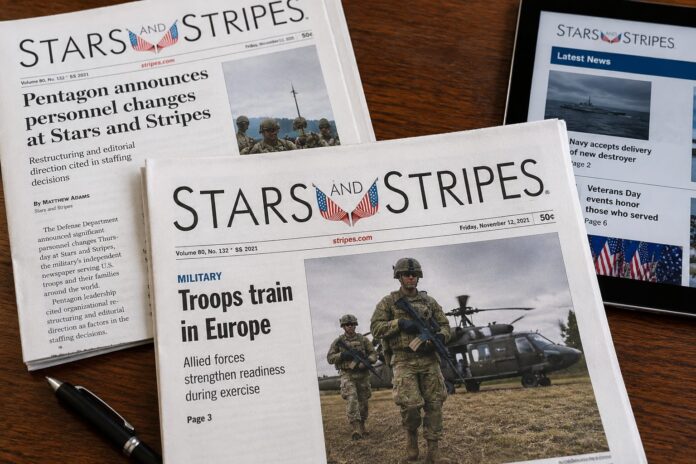
The Pentagon announced significant personnel changes at Stars and Stripes, the military’s independent newspaper serving troops and their families. Defense Department leadership cited organizational restructuring and editorial direction as factors in the staffing decisions. The changes affected key positions including editorial leadership and reporting staff, reflecting the administration’s approach to Pentagon communications and military publication priorities.
The restructuring occurred amid broader Pentagon policy discussions about press access and reporting standards. Defense Department leadership has emphasized wanting military publications to focus on warfighting capabilities, weapons systems, and military readiness. The changes at Stars and Stripes represent part of a larger effort to align Pentagon communications with current defense priorities and strategic messaging objectives.
- Stars and Stripes serves U.S. military personnel and families, with roots tracing to the Civil War era
- Congressional protections maintain the publication’s editorial independence despite Pentagon funding contributions
- Pentagon leadership has indicated preferences for military publications to prioritize warfighting and military readiness content
- The restructuring occurred as part of broader Pentagon communications strategy reviews
Why It Matters
Stars and Stripes occupies a unique position in American military journalism, having served as a trusted news source for service members and their families for generations. The publication’s editorial independence, protected by Congress, allows it to report on military issues without functioning primarily as a public relations operation. These protections exist precisely because Congress recognizes the value of providing military communities with independent information sources.
The Pentagon’s emphasis on reshaping military publications to focus on specific content priorities reflects evolving views about how defense institutions should communicate with their audiences. Current leadership believes that military publications should concentrate resources on content directly supporting warfighting readiness and military effectiveness. This approach represents a philosophical shift in how the Pentagon views the role of its publications—as strategic communication tools supporting military objectives rather than traditional news operations.
The restructuring also occurs within a broader context of Pentagon policy changes regarding media access and Pentagon communications. Defense Department leadership has implemented various modifications to journalist credentialing processes and facility access over the past year. These changes have generated discussion about balancing institutional security and operational security concerns with traditional press freedom principles.
- Military families and service members rely on Stars and Stripes for independent reporting on military issues
- Congressional protections for Stars and Stripes editorial independence remain in place despite Pentagon personnel changes
- The restructuring reflects Pentagon leadership priorities regarding military publications’ content focus
- Current approach emphasizes strategic communication and warfighting readiness in military publications
Political and Public Context
Stars and Stripes maintains a distinctive heritage in American journalism and military history. The publication traces its origins to the Civil War and has continuously served military communities since World War II. Despite receiving partial funding from the Defense Department, Congress has historically protected the publication’s editorial independence to ensure service members have access to reliable, independent journalism about military issues.
The current Pentagon administration has signaled clear preferences regarding military publications’ direction and focus. Defense Department leadership has indicated that military publications should concentrate on military readiness, warfighting capabilities, and weapons systems development. This strategic emphasis reflects the administration’s overall approach to defense priorities and resource allocation within the Pentagon.
The restructuring at Stars and Stripes represents part of a broader Pentagon communications realignment. Defense Department personnel changes and policy adjustments have affected multiple aspects of Pentagon operations since the current leadership took office. The administration has pursued various initiatives to align Pentagon communications, public affairs, and institutional messaging with strategic defense priorities.
- Stars and Stripes has served military communities continuously since World War II
- Congressional protections establish Stars and Stripes editorial independence as distinct from typical Pentagon publications
- Current Pentagon leadership emphasizes military readiness and warfighting as primary publication focus areas
- Defense Department communications strategy reflects broader administration priorities regarding institutional messaging
Pentagon fires leaders of US military newspaper after they criticise interference https://t.co/4me5uHgZ8u
— The Straits Times (@straits_times) August 22, 2026
What Happens Next
Stars and Stripes will continue operating under its Congressional mandate to serve military communities while navigating the new organizational structure implemented by Pentagon leadership. The publication’s editorial independence protections remain in place, providing a legal framework for its continued operations regardless of staffing changes. Future direction for the publication will likely reflect both Congressional oversight protections and Pentagon leadership preferences regarding military publication priorities.
The restructuring at Stars and Stripes may influence how other military publications approach editorial decisions and content focus. Pentagon leadership’s emphasis on warfighting and military readiness content could shape broader discussions about the role of military institutional communications. The administration’s approach to military publications represents one aspect of its larger strategy regarding Pentagon institutional communications and strategic messaging.
Congress retains oversight authority regarding Stars and Stripes editorial independence protections. The publication’s unique status as a congressionally-protected military institution means its future direction will likely involve continued dialogue between Pentagon leadership and Congressional oversight bodies. Military communities will continue relying on Stars and Stripes for information about military issues, with the publication’s independent status providing assurance of editorial integrity.
- Stars and Stripes remains protected by Congressional statutes ensuring editorial independence
- Pentagon leadership will continue implementing its strategic communications priorities across military publications
- Congress maintains oversight authority regarding Stars and Stripes operations and editorial protections
- Military communities will access information through Stars and Stripes under its current operational framework