Story Highlights
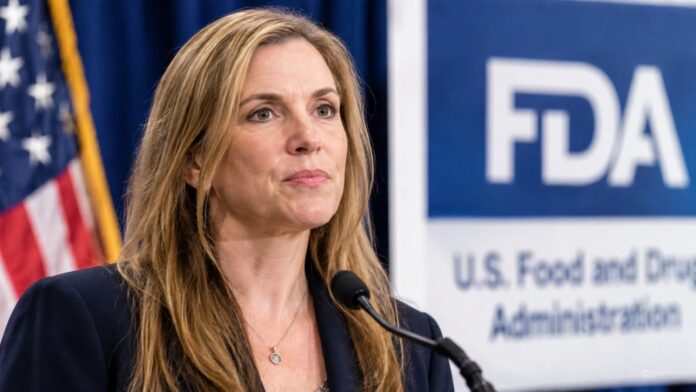
- President Trump announced Dr. Heidi Overton as his nominee to lead the Food and Drug Administration, emphasizing her qualifications for advancing scientific discovery
- Senator Bill Cassidy, chair of the Senate Health Committee, expressed concerns about Overton’s involvement in the administration’s recent vaccine policy executive order
- Overton previously served as vice chair and chief policy officer at the America First Policy Institute and currently advises the White House on health policy
- The nomination reflects the administration’s commitment to bringing fresh leadership and innovative approaches to federal health agencies
What Happened
President Trump announced his intention to nominate Dr. Heidi Overton to serve as commissioner of the Food and Drug Administration, positioning her as a leader who can advance scientific progress and secure America’s position as a global leader in medical innovation. The announcement came three months following the resignation of his initial FDA commissioner choice, Marty Makary. Trump’s statement emphasized the need for her leadership in maintaining American scientific competitiveness and developing cures for critical health challenges.
Senator Bill Cassidy of Louisiana, who chairs the Senate Health Committee and will oversee confirmation proceedings, shared reservations about the nomination. Cassidy, himself a physician, acknowledged Overton’s medical background while raising concerns about her readiness to manage a large federal organization. His primary objection centered on her involvement in the administration’s recent executive order addressing childhood vaccine scheduling, which he characterized as inconsistent with sound scientific principles.
- Dr. Overton previously served as vice chair and chief policy officer at America First Policy Institute
- She currently functions as a top White House domestic policy adviser focusing on health matters
- Overton stood alongside the president when the vaccine scheduling executive order was signed on August 10
- She supports Health and Human Services Secretary Robert F. Kennedy Jr.’s Make America Healthy Again movement
Why It Matters
The FDA commissioner position stands as one of the nation’s most consequential health policy roles, overseeing drug approvals, safety standards, and regulatory frameworks that affect millions of Americans. The administration’s selection of Overton demonstrates a commitment to appointing leaders who embrace innovative thinking and are willing to challenge conventional approaches within established health bureaucracies. Her background as a physician with policy expertise positions her to bridge scientific knowledge with practical governance, potentially reshaping how federal agencies approach regulatory decision-making in the health sector.
The nomination reflects broader administration efforts to staff federal agencies with personnel aligned to its vision of reforming entrenched institutions. Overton’s involvement with the vaccine scheduling initiative signals that the FDA commissioner role will be staffed by someone willing to pursue the administration’s health agenda, including reassessing established protocols. This appointment underscores the White House’s determination to ensure that scientific leadership aligns with the administration’s policy objectives regarding health innovation and public health decision-making.
- FDA commissioner decisions directly affect drug approval timelines and pharmaceutical development affecting American healthcare innovation
- The nomination demonstrates the administration’s commitment to placing executives in regulatory positions who support its health policy vision
- Overton’s confirmation will influence how the FDA approaches vaccine policy, drug safety standards, and medical device approvals
- The position offers opportunity to streamline FDA operations and address internal management challenges within the agency
Political and Public Context
Cassidy’s criticism carries particular weight given his position as chair of the Senate Health Committee, which holds jurisdiction over FDA-related legislation and commissioner confirmations. The senator’s skepticism represents concern from within Republican ranks about certain aspects of the administration’s health policy direction. However, Cassidy’s own political standing has shifted following his recent election loss to a Trump-backed candidate, potentially limiting his influence over confirmation proceedings and policy outcomes.
The nomination occurs within the broader context of the administration’s healthcare reform agenda, which includes significant personnel changes across health-related agencies. The appointment reflects a pattern of selecting leaders with strong ideological alignment to administration priorities rather than those representing the traditional regulatory establishment. This approach has characterized the White House’s strategy for reshaping federal agencies, particularly those touching on contentious policy areas including vaccination, pharmaceutical regulation, and public health decision-making.
- Cassidy lost his recent reelection campaign to a Trump-backed opponent, affecting his political leverage
- The FDA commissioner role has become increasingly politicized, with both parties viewing appointments as significant policy mechanisms
- Previous FDA commissioner Marty Makary’s resignation created the vacancy for this appointment
- The administration has prioritized appointing Robert F. Kennedy Jr. allies to key health positions throughout the federal government
Trump's FDA pick facing GOP revolt after her 'poisoning of the American people': NYT #RawStory https://t.co/OdTNRI3Jug
— #TuckFrump (@realTuckFrumper) August 20, 2026
What Happens Next
Overton’s nomination must proceed through the Senate confirmation process, with Cassidy’s Health Committee conducting initial review and hearings before the full Senate votes on her appointment. Despite Cassidy’s expressed concerns, the Republican-controlled Senate possesses the votes necessary to confirm Overton if party unity holds. The confirmation hearing will likely focus on her regulatory philosophy, her approach to scientific standards, and her role in recent vaccine policy decisions, providing an opportunity to articulate the administration’s vision for FDA modernization and reform.
Following confirmation, Overton would assume leadership of an agency facing significant internal challenges related to staffing and organizational morale. Her leadership will test whether the administration’s health policy innovations can be effectively implemented within established federal bureaucracies. The confirmation outcome will also signal the extent to which Republican senators will defer to presidential appointments in health policy areas where debate remains politically charged, and whether the administration can successfully reshape regulatory agencies according to its policy preferences.
- Senate Health Committee will conduct confirmation hearings examining Overton’s qualifications and policy positions
- Full Senate vote on confirmation could occur within weeks following committee proceedings
- If confirmed, Overton would address reported FDA staffing shortages and internal management issues
- Her tenure will establish precedent for how the administration implements health policy reform across federal regulatory agencies