

Story Highlights
- Activist groups have attempted to deliver water and food supplies to Palestinian families in Qusra whose homes have been blocked by Israeli settlers since Sunday
- Israeli forces and residents dispute whether aid delivery was prevented, with the Israel Defense Forces stating activists were able to transfer supplies to Palestinian homes
- Settlers have cut off power and water supplies to Palestinian residences while Israeli military operations have attempted to disperse the settlers and maintain order in the area
- The situation reflects broader tensions regarding settlements in the occupied West Bank and the treatment of Palestinian residents by settler groups
What Happened
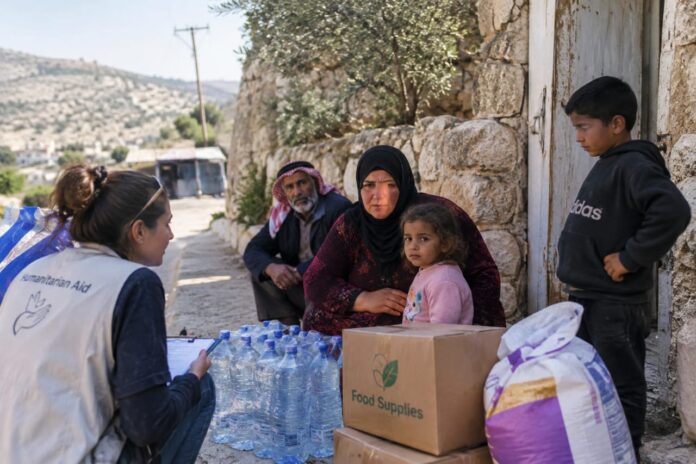
Activist groups made efforts to deliver humanitarian supplies to Palestinian families whose homes in the West Bank village of Qusra have been surrounded and isolated since Sunday. The activists left water and food provisions near one of the targeted houses where two Palestinian families remained trapped with their utilities cut off. According to some residents, Israeli forces prevented the activists from delivering aid directly to the homes, requiring the supplies to be left outside the properties. The Israel Defense Forces contested this account, indicating that the designated area was a closed military zone and that while Israeli civilians among the activist group could not enter, the activists were not obstructed from transferring aid to the Palestinian residences.
The situation in Qusra has escalated over several days, beginning when settlers blocked roads to Palestinian family properties and severed their power and water connections. An Israeli military operation on Thursday aimed at dispersing the settlers resulted in confrontations involving tear gas and stun grenades. On Friday, settlers again attempted to establish a tent near the site, though Israeli forces subsequently removed it. The Qusra Mayor indicated that Israeli military personnel were utilizing some vacated Palestinian structures as temporary barracks during operations.
- Two Palestinian families in Qusra have been besieged since Sunday with power and water supplies cut off
- Activists attempted aid delivery on Friday, with disputed accounts of whether Israeli forces prevented direct distribution
- Israeli military conducted dispersal operations on Thursday using tear gas and stun grenades against settler groups
- Settlers returned to establish a tent on Friday, which was subsequently removed by Israeli forces
Why It Matters
The incident in Qusra exemplifies ongoing tensions within the occupied West Bank regarding the control of territory and protection of Palestinian residents. The situation demonstrates the challenges humanitarian organizations and activist groups face in accessing besieged communities and delivering essential supplies. The competing narratives between residents, activists, and Israeli military authorities regarding aid delivery highlight the complex and contested nature of operations in these areas. The case also raises questions about the coordination and roles of different Israeli security forces in managing settler actions and protecting civilian populations.
The broader implications extend to international scrutiny of settlement-related activities in Palestinian territories. The incident contributes to documentation of how Palestinian residents experience access restrictions, utility cutoffs, and displacement pressures in areas with significant settler presence. The involvement of multiple stakeholders—settlers, residents, activists, Israeli military, and border police—illustrates the multifaceted nature of West Bank security dynamics and civilian protection concerns.
- Palestinian families face restricted access to basic utilities and humanitarian aid in besieged communities
- Humanitarian and activist organizations encounter obstacles in reaching isolated civilians requiring assistance
- Competing accounts between residents and military authorities create accountability and transparency challenges
- The incident contributes to ongoing international documentation of settler-related activities in Palestinian areas
Political and Public Context
Settlement expansion in the occupied West Bank has been a persistent point of contention in regional politics and international relations. The Israeli government has promoted rapid expansion of settlements, though these settlements remain classified as illegal under international law. The situation reflects broader patterns in which settlers have historically taken actions aimed at forcing Palestinian residents from their homes and seizing properties, according to documented accounts. Israeli military leadership has characterized settler actions in similar situations as deplorable and unacceptable, pledging investigations and potential arrests of those responsible.
Recent developments underscore the relative impunity experienced by settler groups and ongoing challenges Israeli security forces face in managing settler conduct. An earlier incident during initial military intervention saw Israeli soldiers participating in religious observances with settlers, an action the military indicated would result in disciplinary measures. The pattern of such incidents has drawn sustained attention from international observers monitoring human rights conditions and civilian protection in Palestinian territories. The case of Qusra represents one among numerous incidents documenting tensions between settlers, Palestinian residents, and Israeli security apparatus across various West Bank locations.
- Israeli settlements in the West Bank remain classified as illegal under international law despite government promotion of expansion
- Settlers have historically pursued objectives of emptying Palestinian-populated areas and acquiring properties
- Israeli military leadership has characterized certain settler actions as unacceptable while pledging investigations
- Documentation of such incidents has become part of broader international monitoring of West Bank conditions and civilian protection concerns
Activists are attempting to deliver aid to Palestinians trapped in homes besieged by Israeli settlers in the occupied West Bank. Two families have been confined for several days, highlighting a critical humanitarian situation. https://t.co/ozmKudSNMX pic.twitter.com/2ZBXRKFlfF
— Drew Grimaldi (@Grimillionaire) August 15, 2026
What Happens Next
The situation in Qusra appears to remain fluid, with several potential developments likely to unfold. The status of the two besieged Palestinian families and whether their utilities will be restored remain uncertain as Israeli military operations continue. The investigation into settler actions and potential arrest proceedings mentioned by Israeli military authorities have not yet been detailed publicly, leaving questions about accountability measures and timelines. Future activist or humanitarian organization attempts to deliver aid to Qusra and similar locations will likely continue, potentially resulting in further disputes about access and military zone designations.
Broader resolution of the Qusra situation depends on several factors including the outcome of military operations, settler responses to enforcement actions, and the policy direction of relevant Israeli authorities regarding civilian protection and utility restoration. International attention to the case may influence how Israeli forces manage similar situations going forward. The documented nature of events in Qusra through resident accounts and activist observations suggests continued scrutiny of the situation through both Palestinian and international monitoring organizations.
- Resolution status of the besieged Palestinian families and restoration of utilities remains unclear
- Investigations into settler conduct and potential arrest procedures have not yet been publicly detailed
- Future activist aid delivery attempts will likely continue, potentially creating additional disputes about military zone access
- International monitoring organizations are documenting the situation for broader human rights assessments and accountability tracking


