Story Highlights
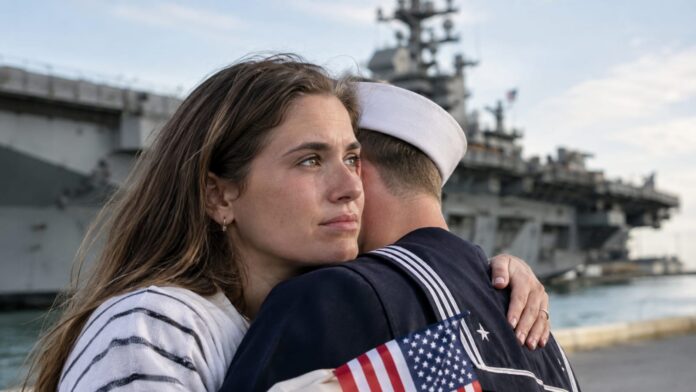
- The wife of a USS Abraham Lincoln sailor expressed serious concerns about extended deployment conditions and the president’s dismissive response to military family worries
- Reports indicate the aircraft carrier has faced over 260 days of deployment with documented food shortages, supply issues, and maintenance problems affecting crew morale
- Mental health impacts on service members have become a growing concern, with extended deployment periods creating measurable stress on sailors and their families
- The administration’s characterization of deployment conditions differs significantly from accounts provided by those with direct family connections to the ship
What Happened
A sailor’s spouse came forward with critical observations about conditions aboard the USS Abraham Lincoln, voicing frustration over the White House’s response to mounting concerns from military families. The sailor’s wife indicated that her husband’s current deployment represents the most challenging of his naval career, marked by persistent operational challenges that have affected both living conditions and crew welfare.
The comments emerged shortly after the president addressed questions about family concerns regarding the extended deployment. When asked whether relatives worried about shipboard conditions, the administration responded that such worries were unfounded. When pressed on whether the deployment had extended beyond appropriate timeframes given operational stressors, the White House indicated the deployment duration was acceptable.
- USS Abraham Lincoln deployment exceeds 260 days in Arabian Sea operations
- Reported issues include food rationing, supply shortages, maintenance deficiencies, and plumbing failures
- Sailor’s spouse described conditions as distinctly worse than previous deployments in her husband’s career
- Mental health impacts documented, with service members reporting increased anger and frustration
Why It Matters
The disconnect between assessments from the White House and direct accounts from military families raises important questions about command awareness of shipboard conditions and the adequacy of support systems for extended deployments. Sailor welfare directly impacts naval readiness and operational effectiveness, making accurate evaluation of living and working conditions essential for force sustainability. When extended deployments coincide with documented supply and maintenance challenges, the cumulative effect on personnel can create cascading problems affecting morale, retention, and mental health outcomes across the crew.
The case highlights how military families serve as barometers for actual conditions affecting service members. Direct family accounts provide perspective that official assessments may not fully capture, particularly regarding psychological impacts of prolonged isolation and operational stress. Food quality and quantity, maintenance standards, and crew living space all contribute measurably to sailor morale and mental resilience during extended operations. These factors become especially significant when deployments extend substantially beyond original timelines, compounding the stress experienced by both service members and their families at home.
- Military families’ concerns about deployment duration and conditions represent legitimate welfare indicators affecting force readiness
- Mental health impacts on sailors create family strain and potential long-term effects on service member stability
- Supply and maintenance issues aboard major naval vessels suggest broader logistical or command prioritization questions
- Lack of acknowledgment of family concerns may undermine military family confidence in command responsiveness
Political and Public Context
Military family advocacy has become an increasingly visible aspect of defense policy discussions, with spouses and relatives serving as advocates for service member welfare. The USS Abraham Lincoln deployment has drawn sustained media attention due to multiple reports documenting challenges aboard the vessel, creating a public record of conditions that families reference when expressing concerns. Previous military administrations have faced similar situations where command assessments diverged from family observations, prompting policy reviews and operational adjustments.
The tension between operational necessity and personnel welfare reflects longstanding military management challenges, particularly regarding extended deployments in sustained operations. Different stakeholders evaluate deployment success through distinct lenses—commanders may prioritize mission accomplishment, families prioritize crew welfare, and personnel management focuses on retention and readiness metrics. These perspectives do not necessarily align, and historical precedent shows that dismissing family concerns can lead to broader morale issues and negative cascading effects across naval personnel. The current situation unfolds against a backdrop of increased public awareness about military mental health, which has become a recognized priority across defense institutions.
- Extended naval deployments in Middle Eastern operations have historically presented both operational and personnel management challenges
- Military family advocacy has grown as a recognized aspect of force readiness discussions
- Mental health awareness in military contexts has elevated family and personnel wellness as command accountability factors
- Previous instances of command-family disagreements over conditions have prompted policy reviews and operational adjustments
Families of sailors aboard the USS Abraham Lincoln are pressing Navy leadership over a mounting mental health crisis, after military-focused outlets reported multiple sailors have tried to go overboard during the carrier's record-setting deployment in support of the war with…
— The Washington Times (@WashTimes) August 13, 2026
What Happens Next
The elevated profile of these concerns suggests potential scrutiny of USS Abraham Lincoln operations and crew support systems. Congressional committees focused on military readiness and personnel welfare may investigate reported conditions, requiring documentation from command regarding supply status, maintenance records, and crew welfare assessments. The administration will likely face continued pressure to either acknowledge documented concerns or provide detailed refutation supported by specific operational data and crew survey results.
Military family organizations may amplify these concerns through media engagement and formal advocacy channels, potentially triggering broader policy discussions about deployment duration standards and crew welfare protocols. Leadership responses to documented family concerns will shape how other military families perceive command receptiveness to legitimate operational challenges. The ongoing situation creates an opportunity for the administration to demonstrate commitment to military family welfare through targeted attention to USS Abraham Lincoln conditions and transparent communication about any corrective measures implemented based on identified issues.
- Potential congressional inquiry into USS Abraham Lincoln operational conditions and crew support protocols
- Military family advocacy organizations may coordinate broader awareness campaigns regarding deployment welfare concerns
- Command may conduct formal crew surveys and supply audits to address documented issues
- Future deployment planning may incorporate specific duration and welfare benchmarks based on operational experience