Story Highlights
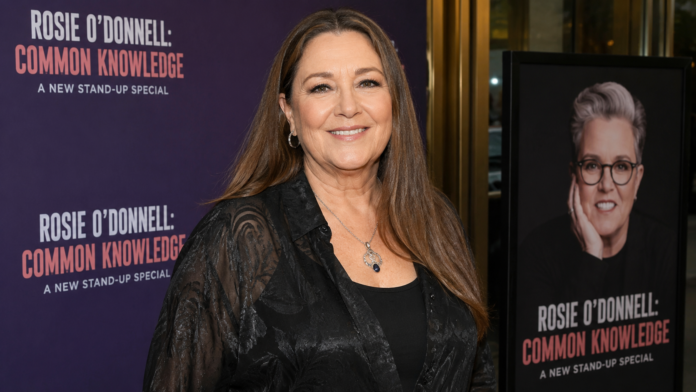
- Emmy-winning actress Camryn Manheim, 65, appeared noticeably transformed at a recent New York City red carpet event on July 22.
- Manheim, long known as an advocate for size diversity in Hollywood, has sparked renewed discussion about body image in the entertainment industry.
- The Law & Order star’s visible physical change drew widespread attention from fans on social media, with reactions ranging from admiration to concern.
- Her personal journey, spanning decades of public advocacy and a celebrated memoir, adds significant context to the ongoing cultural conversation.
What Happened
On July 22, actress Camryn Manheim made an appearance on the red carpet in New York City to attend the opening night of comedian Rosie O’Donnell’s Broadway production, Rosie O’Donnell: Common Knowledge. Observers and fans noted that Manheim’s appearance seemed dramatically different from how she has looked throughout much of her public career, prompting widespread commentary both in person and across social media platforms.
The 65-year-old actress, best known for her role as attorney Ellenor Frutt on the long-running legal drama The Practice, has been an outspoken figure regarding body image and size representation for more than three decades. Her recent transformation struck many as a notable departure from the identity she had carefully and publicly cultivated over the years. Fan comments began appearing as early as March on her Instagram profile, reflecting a range of responses — from enthusiastic praise to gentle expressions of concern from longtime admirers who associated her with the cause of body positivity and size diversity.
- Red carpet appearance: July 22, New York City, opening night of Rosie O’Donnell: Common Knowledge
- Manheim’s age at time of appearance: 65 years old
- Fan commentary on her transformation began surfacing publicly as early as March on Instagram
- Manheim and O’Donnell are close personal friends who frequently share photos together on social media
Why It Matters
Manheim’s visible transformation carries particular cultural weight given the decades she spent as one of Hollywood’s most prominent voices for size inclusion and body acceptance. Her journey from a self-described self-hating teenager struggling to find roles in Hollywood to a celebrated, Emmy-winning advocate for larger-bodied individuals made her a recognizable symbol for a generation of viewers who rarely saw themselves reflected on mainstream television.
For many of her supporters, the change raises genuine and nuanced questions about what it means when a long-standing advocate for body diversity undergoes a significant physical transformation. The reaction is not simply about personal appearance — it touches on broader issues of representation, authenticity, and the pressures that individuals in the entertainment industry continue to face regardless of their stated values or professional advocacy. The conversation is further complicated by the increasing prevalence of medically supervised weight-loss interventions in public life.
- Manheim’s legacy as a size-diversity advocate gives her transformation unique cultural and symbolic significance
- Fans who identified with her body-positive message are now processing a perceived shift in her physical identity
- The broader entertainment industry faces renewed scrutiny over its evolving standards of appearance
- The availability of GLP-1 medications has introduced new complexity to public discussions about weight and personal choice
Political and Public Context
Manheim’s career has been intertwined with conversations about body image for decades. In 1994, she performed a one-woman off-Broadway show titled Wake Up, I’m Fat, and in 1999 she published a memoir of the same name that chronicled her personal evolution from a teenager desperate to conform to societal standards into an activist who embraced her identity as a self-described misfit. The memoir received significant attention for its candid portrayal of the challenges faced by larger-bodied women in the entertainment industry.
Her 1998 Emmy Award win for Outstanding Supporting Actress in a Drama Series for The Practice became a defining cultural moment when she dedicated the honor to, in her own framing at the time, plus-size women everywhere. That moment has been referenced repeatedly in subsequent years as a milestone in mainstream television’s relationship with body diversity. Meanwhile, close friend Rosie O’Donnell has publicly discussed her own use of the GLP-1 medication Mounjaro over a three-year period, adding another layer of context to the visibility of weight-related transformations among prominent women in entertainment.
- Manheim’s 1998 Emmy dedication became a landmark moment for size representation in television
- Her 1999 memoir detailed her path from body shame to fat activism and gained wide readership
- Rosie O’Donnell has publicly discussed a multi-year course of the GLP-1 drug Mounjaro for weight management
- Manheim’s decades-long advocacy established her as a touchstone figure in Hollywood’s body-image debate
What Happens Next
As public attention continues to focus on Manheim’s changed appearance, the actress has not yet made detailed public statements about the specifics of her personal health journey or what may have prompted her transformation. It remains to be seen whether she will address the topic directly, either through interviews, social media, or other public forums. Given her long history of candid engagement with these issues, many observers expect that she will eventually offer her own framing of the changes her supporters have noticed.
The broader conversation she has reignited about body image, representation, and the choices public figures make regarding their health is unlikely to fade quickly. As GLP-1 medications become increasingly normalized in public life and more celebrities acknowledge their use openly, Hollywood’s complicated relationship with body standards will continue to be scrutinized. Manheim’s story represents a new chapter in a decades-long cultural dialogue that shows no sign of resolution.
- Whether Manheim will publicly address her transformation and its context remains an open question
- The role of GLP-1 medications in celebrity weight-loss transformations will likely face continued public examination
- Hollywood’s diversity and representation standards are expected to remain under sustained discussion
- Manheim’s next public appearances and professional projects will draw heightened media and fan interest