Story Highlights
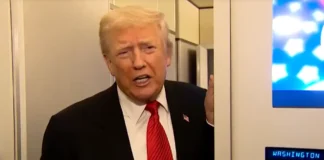
- Ukrainian President Zelensky stated his nation trusts the United States while expressing hope that President Trump will reconsider recent policy decisions regarding Russia
- The White House authorized an energy ceasefire between Ukraine and Russia, though subsequent diesel fuel arrangements prompted Ukrainian concerns
- Zelensky emphasized that American support remains critical to Ukraine’s military success and warned against closer U.S.-Russia alignment
- Senior Trump administration envoys including Jared Kushner and Steve Witkoff recently conducted diplomatic missions to both Russia and Ukraine
What Happened
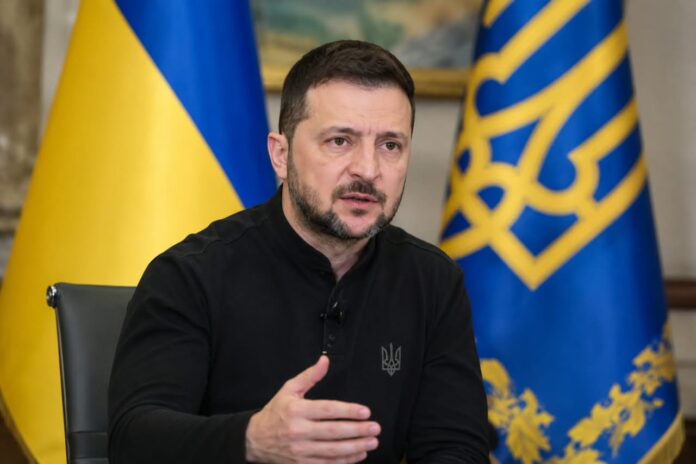
Ukrainian President Volodymyr Zelensky delivered remarks on a major American news program, expressing confidence in the United States while simultaneously calling for reconsideration of recent White House decisions affecting the ongoing conflict. During his Sunday appearance, the Ukrainian leader acknowledged his country’s trust in America and its bipartisan congressional support, yet indicated concern about the current trajectory of presidential policy toward Moscow. He expressed hope that the administration would modify its approach, particularly regarding energy arrangements that Kyiv viewed as disadvantageous to its military position.
The timing of these comments followed an announcement from the White House regarding an energy ceasefire aimed at halting infrastructure strikes by both combatants. However, subsequent developments regarding diesel fuel dealings with Russia prompted renewed tension between Kyiv and Washington. Zelensky’s response demonstrated both diplomatic restraint and clear concern about American-Russian alignment, with the Ukrainian president cautioning that without sustained U.S. backing, his nation faces severe challenges in achieving victory. His statements reflected a delicate balancing act between maintaining the vital relationship with Washington while advocating for policies more favorable to Ukrainian interests.
- Ukrainian President Zelensky appeared on NBC News’s Meet the Press on Sunday
- White House authorized an energy ceasefire between Ukraine and Russia, followed by diesel deal arrangements
- Trump administration envoys Jared Kushner and Steve Witkoff recently traveled to both Russia and Ukraine
- Zelensky indicated willingness to negotiate a peaceful resolution to the nearly five-year conflict
Why It Matters
The intersection of Ukrainian concerns and American policy decisions carries significant implications for the ongoing conflict and broader European security architecture. Zelensky’s carefully calibrated remarks reflect the fundamental challenge facing smaller nations when dealing with great power diplomacy: the need to maintain essential relationships while advocating for their own survival and territorial integrity. His emphasis on American support being critical to Ukrainian success highlights the reality that military outcomes in modern conflicts often depend as much on external backing as on battlefield performance.
The administration’s recent diplomatic initiatives, including energy ceasefires and high-level envoy visits, represent efforts to broker a resolution to a conflict that has destabilized global energy markets and created humanitarian crises. Zelensky’s receptiveness to negotiation, while simultaneously warning against policies he views as undermining his nation’s position, suggests recognition that Ukrainian leverage may be limited in broader geopolitical calculations. The question of whether Washington will prioritize ending the conflict through negotiated settlement or continue robust support for Ukrainian military objectives remains unresolved, with significant consequences for Eastern European stability and American credibility among NATO allies.
- Ukrainian military effectiveness depends substantially on continued American military aid and diplomatic support
- Energy arrangements between Washington and Moscow directly impact Ukraine’s ability to sustain its economy and military operations
- NATO allies observe how the administration balances relations with Russia against commitments to Eastern European partners
- Global energy markets remain vulnerable to infrastructure damage from ongoing Ukraine-Russia strikes
Political and Public Context
The Trump administration’s approach to the Ukraine conflict represents a departure from previous American policy toward Russia and Eastern Europe. Rather than maintaining the Obama-era containment strategy or the Biden administration’s pronounced pro-Ukraine stance, the current White House has pursued diplomatic engagement with Moscow while maintaining official support for Ukrainian sovereignty. This shift reflects a broader foreign policy philosophy emphasizing negotiated settlements over prolonged military support for proxy conflicts, a position the president has consistently articulated since entering office.
Congressional support for Ukraine remains robust across both parties, though questions persist about the sustainability and conditions of American assistance. Zelensky’s invocation of bipartisan backing reflects his awareness that domestic political support in the United States represents a stabilizing force for Ukrainian interests. The administration’s authorization of energy ceasefires and engagement with both parties suggests a genuine attempt to facilitate dialogue, though the Ukrainian perspective indicates concerns that such initiatives may inadvertently advantage Russian negotiating positions. The proposed trilateral meeting potentially involving President Trump, Putin, and Zelensky, possibly during the Group of 20 summit scheduled for December, would represent a significant diplomatic development with far-reaching implications for the conflict’s trajectory.
- Trump administration emphasizes negotiated resolution over indefinite military support for Ukraine
- Congressional backing for Ukraine remains bipartisan, providing counterbalance to executive branch initiatives
- Energy infrastructure remains a critical vulnerability for both Ukraine and Russia, making ceasefire arrangements diplomatically sensitive
- Previous American administrations maintained different strategic approaches to Russia-Ukraine dynamics
Zelensky says 'of course' Ukraine trusts the US, hopes Trump will 'change his decisions' #TheHill https://t.co/KTidMyJDsw
— #TuckFrump (@realTuckFrumper) October 18, 2026
What Happens Next
The administration’s diplomatic strategy appears to be moving toward substantive negotiations between the parties, with high-level envoys already conducting preliminary discussions. The proposed trilateral meeting involving American, Russian, and Ukrainian leadership could represent a pivotal moment for discussing settlement terms, though Zelensky’s comments suggest Ukraine hopes for American support in such negotiations rather than perceived neutrality that might disadvantage Kyiv. The administration’s willingness to broker direct talks indicates genuine commitment to resolving the conflict, though questions remain about what settlement terms might be acceptable to all parties.
Future developments will likely depend on whether military conditions on the ground shift significantly enough to change Ukrainian or Russian calculations about negotiated outcomes. The administration’s approach of combining diplomatic engagement with energy arrangements suggests efforts to create incentives for Moscow to participate in genuine negotiations rather than simply continuing military operations indefinitely. Zelensky’s stated pragmatism indicates Ukrainian readiness to engage in serious discussions, though his emphasis on American pressure on Russia rather than on Ukraine suggests he expects significant American involvement in shaping settlement terms. The coming weeks will reveal whether the proposed diplomatic framework can produce meaningful progress toward ending the conflict or whether fundamental disagreements about territorial integrity and security guarantees prove insurmountable.
- Trilateral meeting potentially scheduled during December Group of 20 summit in Miami remains under negotiation
- Administration envoys will continue diplomatic missions to facilitate direct Ukraine-Russia discussions
- Energy ceasefire arrangements may continue as confidence-building measures preceding broader negotiations
- Ukrainian expectations for American diplomatic support in negotiations will shape sustainability of any settlement framework