Story Highlights
- An executive order halted new Russian sanctions implementation, following a temporary lift on diesel sale restrictions aimed at addressing fuel shortages
- The White House faces bipartisan criticism over energy policy decisions made ahead of midterm elections
- Economic relief measures reflect administration priorities to combat rising fuel costs affecting American consumers
- Campaign activity intensifies across battleground states as Election Day approaches
What Happened
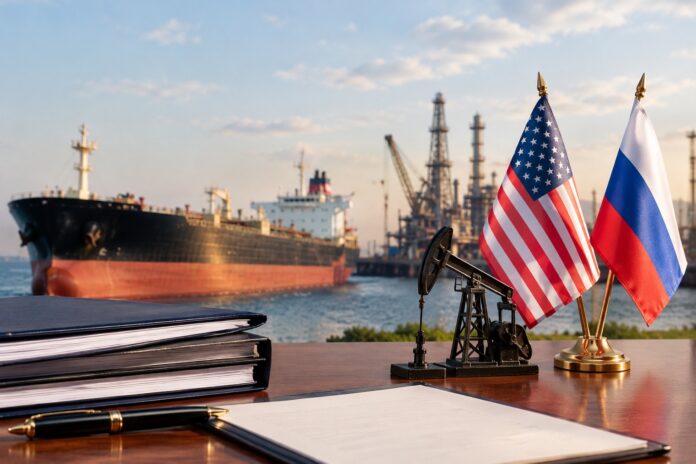
The Trump administration issued an executive order on Friday evening that halted the implementation of new penalties on Russia. This action followed a prior controversial decision to temporarily lift restrictions on Russian diesel sales in both the United States and global marketplaces. These energy policy moves emerged amid significant pressure on the White House to address escalating fuel costs that have impacted American households and agricultural operations across the nation.
The executive order reversed course on a sweeping legislative package signed into law by the president in the previous month. Energy Secretary Chris Wright prepared to address the policy decisions during appearances on major news programs, while various political figures positioned themselves ahead of the critical midterm elections occurring less than three weeks away.
- Executive order halted implementation of new Russian sanctions set to take effect
- Prior decision temporarily lifted restrictions on Russian diesel imports to address global fuel shortages
- Energy Secretary Chris Wright scheduled for Sunday network television appearances
- Actions taken amid pressure to lower fuel costs before November elections
Why It Matters
These energy policy decisions represent a direct attempt to provide economic relief to American consumers and businesses facing elevated fuel prices. The administration’s focus on addressing fuel costs demonstrates a commitment to tangible economic measures that affect everyday Americans, particularly farmers actively engaged in harvest operations who depend on affordable diesel for their livelihoods. By pursuing these measures ahead of the midterm elections, the White House signals that economic relief remains a central priority in its policy agenda.
The strategic timing of these energy initiatives reflects broader administration efforts to demonstrate responsiveness to economic challenges facing the nation. Rising fuel costs have proven politically significant in previous election cycles, and addressing this issue directly connects policy implementation to voter concerns about household expenses and agricultural viability. The approach shows an understanding that energy affordability directly influences economic conditions that matter most to American families and rural communities.
- Fuel cost relief addresses immediate concerns for agricultural operations during harvest season
- Policy decisions demonstrate administration response to household energy expense pressures
- Economic measures positioned to influence voter sentiment in competitive midterm races
- Energy affordability established as central concern for American consumers and businesses
Political and Public Context
The energy policy decisions emerge during a highly competitive midterm election environment where both major parties work intensively to mobilize voter support in critical battleground states. Less than three weeks before Election Day, campaign activity has accelerated dramatically, with national political figures investing significant resources in contested races. The administration’s focus on economic issues reflects recognition that voter priorities center on practical concerns affecting household finances and business operations.
Some Republican candidates have offered their own perspectives on energy policy, with certain GOP nominees proposing alternative approaches to fuel cost relief. Meanwhile, Democratic opponents have organized significant campaign efforts in key states, with prominent national figures preparing to campaign for their party’s candidates. The convergence of policy decisions and election timing underscores how economic messaging shapes political competition during this critical period. Various political figures across both parties will appear on major news programs to discuss their positions, reflecting the high stakes involved in this election cycle.
- Midterm elections occurring in battleground states including Michigan, Ohio, and others
- Both parties intensifying campaign efforts to mobilize base support
- Republican and Democratic candidates positioning on energy and economic policy issues
- National political figures scheduled for media appearances discussing election dynamics
President Trump signed an Executive Order right here in Nebraska to lower diesel costs for American farmers, truckers, and workers.
By expanding access to red-dyed diesel and providing federal tax relief, Trump acts to put money in Americans' pocket
Promise made. Promise kept. pic.twitter.com/dlmLMXFUd5
— Susie Wiles (@Q_New_Wiles) October 18, 2026
What Happens Next
The administration will continue pursuing economic relief measures in the remaining weeks before the November elections. Additional campaign stops across multiple battleground states are scheduled as political figures work to influence voter decisions in competitive races. The energy policy decisions announced this week will likely become central topics of discussion across news media and campaign messaging as candidates present their positions to voters.
Energy Secretary Wright’s television appearances will provide an opportunity to articulate the rationale behind these fuel relief measures to the American public. As the election approaches, political dynamics will continue shifting based on voter response to these economic policy initiatives and broader campaign messaging. The focus on fuel costs and economic relief will remain prominent throughout the final weeks of the election cycle as both parties compete for support in critical races that will determine control of Congress and political direction for the coming years.
- Additional campaign events scheduled across seven battleground states during final campaign weeks
- Energy Secretary prepared to defend fuel relief policies through media appearances
- Voter response to economic policy measures will influence midterm election outcomes
- Political messaging focused on economic relief will intensify through Election Day