Story Highlights
- Vice President JD Vance pushed back sharply against Israeli officials criticizing President Donald Trump’s Iran agreement.
- Vance warned that Israel should be careful about attacking the United States, its most important global ally.
- The dispute exposes new tension between Washington and Jerusalem as the Trump administration tries to protect the fragile Iran framework.
What Happened
Vice President JD Vance delivered a direct warning to Israeli officials this week after members of Prime Minister Benjamin Netanyahu’s government criticized President Donald Trump’s new agreement with Iran.
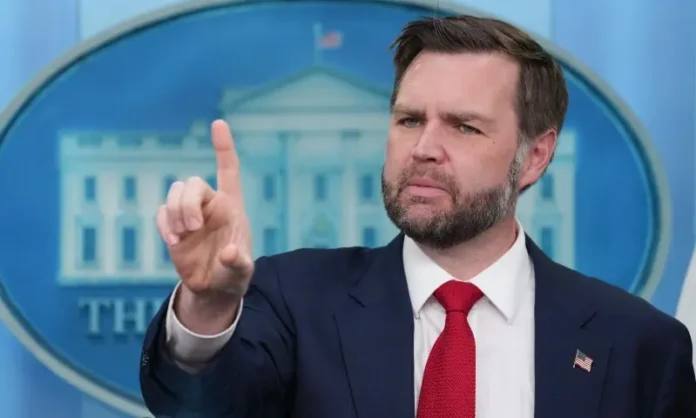
Speaking at a White House press briefing, Vance said Israeli officials should think carefully before attacking Trump over the deal, arguing that the United States remains Israel’s most powerful and reliable ally.
- Vance defended Trump’s Iran framework as a step toward regional stability.
- He said Israeli officials risk weakening relations with Washington by publicly criticizing the president.
- The remarks came as Israel raised concerns about parts of the agreement tied to Iran and Lebanon.
The Trump administration has presented the Iran memorandum as a practical effort to end months of conflict, reopen the Strait of Hormuz and reduce pressure on global energy markets. But Israeli officials have questioned whether the agreement gives Tehran too much room while leaving major security issues unresolved.
Vance also addressed Israeli military activity in Lebanon, saying civilian casualties from recent strikes were not acceptable and that the administration wants closer coordination as the ceasefire process moves forward.
Netanyahu, meanwhile, said Israeli forces would remain in southern Lebanon as long as Israel’s security needs require it. That statement suggested Israel may not consider itself bound by every part of the U.S.-Iran framework, especially provisions tied to Lebanon.
Why It Matters
The episode matters because it shows a rare public rift between the Trump administration and Israeli officials at a highly sensitive moment.
Trump has long positioned himself as one of Israel’s strongest allies. That makes Vance’s blunt response notable, especially because it suggests the White House is willing to pressure Israel publicly if Israeli criticism threatens the Iran deal.
For the administration, the Iran framework is not only about Tehran. It is also about stabilizing the region, lowering oil market risk and preventing Lebanon from becoming a trigger for renewed conflict.
- The White House wants Israel to avoid actions that could weaken the Iran agreement.
- Israel wants freedom to act against Hezbollah and other security threats.
- Iran could use continued fighting in Lebanon as a reason to challenge or delay the deal.
The dispute also creates a political test for Trump and Vance. They must defend a deal that they say protects American interests while reassuring pro-Israel voters and Republican lawmakers that the administration is not distancing itself from Jerusalem.
Political and Public Context
Vance’s comments fit the administration’s broader argument that Trump’s Iran deal is a strength-based agreement, not a concession.
The White House position is that Trump used military and economic pressure to force Tehran into a framework that can reduce war risk and reopen energy routes. But that strategy depends on keeping the broader ceasefire from unraveling.
Israeli officials skeptical of the deal believe Iran remains a long-term threat and that any agreement must not limit Israel’s ability to defend itself, especially in Lebanon.
- Trump allies may argue that Vance was defending the president’s diplomatic authority.
- Pro-Israel conservatives may worry that the administration is pressuring Israel too aggressively.
- Democrats may use the rift to question the durability of Trump’s regional strategy.
The situation is especially delicate because Israel is facing international criticism over civilian casualties in Lebanon, while the United States is trying to keep Iran engaged in follow-up talks.
What Happens Next
The next test will be whether Israel scales back operations in southern Lebanon or continues acting independently despite pressure from Washington.
If Israeli strikes continue and Iran claims the ceasefire is being violated, the 60-day U.S.-Iran negotiating window could become harder to preserve. Recent reports show the broader deal is already facing stress, with renewed disputes over the Strait of Hormuz and ceasefire compliance.
For Trump and Vance, the challenge is to keep Israel close while making clear that the administration expects all regional partners to avoid steps that could collapse the agreement.
- Washington may press Israel for tighter coordination on Lebanon operations.
- Netanyahu may resist limits he believes weaken Israel’s security position.
- Iran negotiators may use Lebanon as leverage in the next phase of talks.
If the agreement holds, Trump can argue that his administration managed both Iran and Israel while reducing the risk of a wider war. If the rift grows, the deal could face one of its first serious diplomatic tests.