Story Highlights
- An ICE officer shot a Venezuelan man in Austin while not wearing a body camera.
- The incident raises significant concerns regarding accountability in law enforcement.
- A federal judge has temporarily blocked deportation proceedings against the victim.
- Investigations are ongoing, with calls for public assistance in gathering evidence.
What Happened
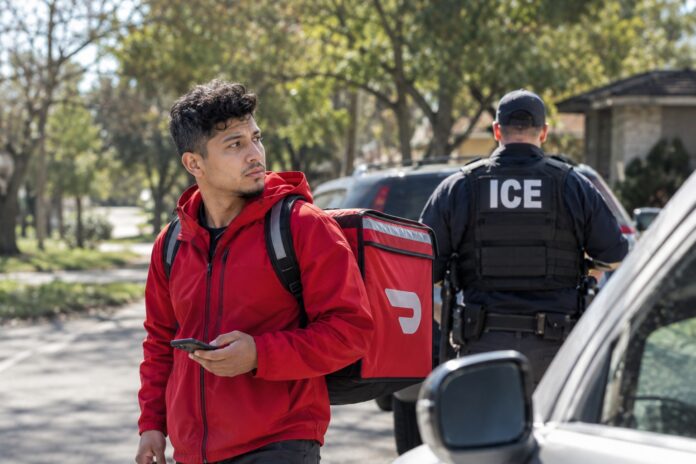
On a Sunday afternoon in Austin, Texas, a shocking incident unfolded involving an officer from Immigration and Customs Enforcement (ICE) and a Venezuelan man named Wilber Rafael Garcés Pérez. The officer shot Garcés Pérez while he was working as a DoorDash driver, leaving a bullet lodged in his back. This incident has raised serious questions about the accountability of law enforcement, particularly regarding the use of body cameras.
According to officials from the Department of Homeland Security, the ICE officer involved was issued a body camera but was not wearing it at the time of the shooting. This absence of video evidence has led to heightened scrutiny and concern about transparency in law enforcement practices. Another officer in the same vehicle was wearing a body camera, but the footage captured does not include the moment of the shooting, further complicating the investigation.
- Wilber Rafael Garcés Pérez, 28, was shot while making deliveries as a DoorDash driver.
- The shooting occurred on a Sunday afternoon, with the incident being reported shortly thereafter.
- Four hours post-shooting, Garcés Pérez was taken into immigration custody at the South Texas ICE Processing Center.
- A federal judge has granted an emergency order to block deportation proceedings against Garcés Pérez.
Why It Matters
The implications of this incident extend far beyond the immediate circumstances of the shooting. The fact that an ICE officer was not wearing a body camera during such a critical event raises significant concerns about accountability and transparency within law enforcement agencies. Body cameras are intended to provide an objective record of interactions between law enforcement and the public, and their absence in this case has left a gap in the narrative surrounding the shooting.
Moreover, the situation has sparked discussions about the treatment of individuals in immigration custody, particularly those who may be victims or witnesses to crimes. Garcés Pérez’s attorney, Kate Lincoln-Goldfinch, has expressed concerns about her client’s well-being, stating that he was not receiving adequate medical care following the shooting. This raises questions about the responsibilities of law enforcement agencies to ensure the health and safety of individuals in their custody.
- The lack of body camera footage may hinder the investigation into the shooting.
- Garcés Pérez’s status as a material witness could influence the outcome of the investigation.
- Concerns about medical care for individuals in immigration custody have been amplified.
- The incident may lead to calls for policy changes regarding body camera usage among law enforcement agencies.
Political and Public Context
This incident is not occurring in a vacuum; it is part of a broader conversation about law enforcement practices, particularly in relation to immigration enforcement. The use of body cameras has been a contentious issue, with advocates arguing that they are essential for accountability, while some law enforcement agencies have been slow to adopt them. The absence of body cameras during critical incidents like this one only serves to fuel skepticism and distrust among the public.
Additionally, the treatment of individuals in immigration custody has come under scrutiny in recent years. Reports of inadequate medical care, harsh conditions, and lack of transparency have raised alarms among human rights advocates. The fact that Garcés Pérez was taken into custody shortly after being shot adds another layer of complexity to the situation, as it raises questions about the rights of individuals who may be victims of violence.
- Previous incidents involving ICE have led to public outcry and calls for reform.
- Body camera policies vary widely among law enforcement agencies across the country.
- Human rights organizations have documented concerns about the treatment of individuals in immigration detention.
- Public trust in law enforcement is at a critical juncture, with many calling for greater accountability measures.
ICE officer who shot Venezuelan man in Texas wasn't wearing a body camera, sources say https://t.co/BYv7w5EGzA
— CBS News (@CBSNews) September 24, 2026
What Happens Next
The future of this case remains uncertain, as investigations are ongoing. The Travis County District Attorney’s Office has expressed its commitment to thoroughly investigating the shooting, and they have requested that Garcés Pérez be allowed to remain in the country as a material witness. This request underscores the importance of his testimony in understanding the events that transpired during the shooting.
As the investigation unfolds, there are several key questions that remain unanswered. Will the absence of body camera footage hinder the ability of investigators to piece together the events leading up to the shooting? How will the treatment of Garcés Pérez in custody impact public perception of ICE and law enforcement as a whole? Furthermore, will this incident prompt changes in policy regarding body camera usage among law enforcement agencies?
- Investigators will continue to gather evidence and seek public assistance in obtaining video footage.
- The Travis County District Attorney’s Office will determine the next steps in the investigation.
- Garcés Pérez’s legal team will advocate for his rights and well-being during the ongoing proceedings.
- Public discourse surrounding law enforcement accountability may lead to policy changes in the future.