
Story Highlights
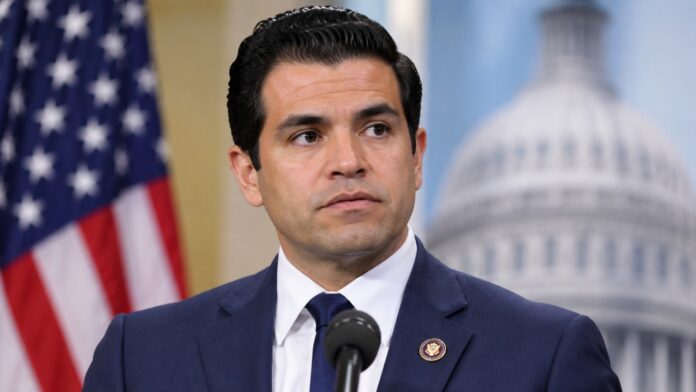
- California Congressman Jimmy Gomez announced his resignation following a House Ethics Committee report.
- The report found credible evidence of sexual misconduct involving a House staff member.
- Gomez disagreed with the findings but acknowledged the seriousness of the allegations.
- The incident raises concerns about power dynamics and workplace culture in Congress.
What Happened
In a significant development within the political landscape of California, Congressman Jimmy Gomez has declared his intention to resign from Congress effective December 1. This decision comes in the wake of a report released by the House Ethics Committee, which found credible evidence that Gomez engaged in sexual misconduct towards a staff member. The report, which was made public on Monday, detailed allegations of unwelcome sexual advances and inappropriate conduct that Gomez allegedly exhibited, disregarding the inherent power imbalance between him and the staffer.
Gomez, a five-term congressman representing parts of Los Angeles, expressed his disagreement with the committee’s findings but stated that he felt he had no choice but to resign. He emphasized the seriousness of the allegations and took responsibility for personal mistakes outside of his marriage. The committee’s investigation was initiated after reports surfaced of Gomez being seen kissing a younger staffer at a party hosted by former Congressman Eric Swalwell, who himself resigned amid sexual misconduct allegations.
- The House Ethics Committee began its investigation in August 2026.
- Gomez was accused of making unwanted sexual advances on two occasions.
- One incident involved inappropriate contact at a bar in Washington, D.C., in February 2024.
- The staffer reported significant distress due to Gomez’s actions, contributing to her decision to leave her job.
Why It Matters
The resignation of Congressman Gomez is not just a personal matter; it reflects broader issues of power dynamics and workplace culture within Congress. The findings of the Ethics Committee highlight the ongoing struggle against sexual misconduct in political environments, where power imbalances can lead to exploitation and abuse. Gomez’s case serves as a reminder of the importance of accountability and the need for a safe working environment for all staffers, particularly those who may be vulnerable due to their positions.
Moreover, the implications of this incident extend beyond Gomez himself. It raises questions about the effectiveness of current policies and procedures in addressing sexual misconduct within Congress. The Ethics Committee’s report noted that it did not have sufficient time to pursue an adequate House sanction against Gomez, which underscores the need for reform in how such investigations are conducted. The call for immediate steps to address what has been described as a ‘toxic and predatory culture’ in Congress is more urgent than ever.
- Gomez’s resignation may lead to increased scrutiny of other members of Congress regarding their conduct.
- The incident could prompt legislative changes aimed at improving workplace safety and accountability.
- Staffers may feel more empowered to report misconduct, knowing that actions are being taken against perpetrators.
- The case may influence public perception of Congress and its handling of sexual misconduct allegations.
Political and Public Context
The resignation of Jimmy Gomez is part of a larger narrative concerning sexual misconduct in politics, particularly in the wake of the #MeToo movement. This movement has brought to light numerous allegations against public figures, prompting calls for greater accountability and transparency. The House Ethics Committee’s investigation into Gomez is a reflection of this ongoing struggle, as it seeks to address and rectify issues of misconduct within its ranks.
In recent years, several high-profile politicians have faced allegations of sexual misconduct, leading to resignations and significant public backlash. The case of Gomez is particularly notable as it follows closely on the heels of other resignations, including that of Eric Swalwell, which indicates a troubling trend within the political sphere. The bipartisan nature of the Ethics Committee’s findings also suggests that this is not merely a partisan issue but one that affects the integrity of Congress as a whole.
- The #MeToo movement has significantly influenced public discourse on sexual misconduct.
- Other politicians, including Eric Swalwell, have faced similar allegations, leading to resignations.
- Congress has begun to implement changes in how it handles sexual misconduct investigations.
- The bipartisan committee’s findings may lead to a reevaluation of workplace policies in Congress.
Representative Jimmy Gomez, Democrat of California, said he would resign from Congress after a House committee said it had found “substantial evidence” that he engaged in sexual misconduct with a House staffer. https://t.co/kRBifoFh97
— The Boston Globe (@BostonGlobe) November 23, 2026
What Happens Next
As Congressman Gomez prepares to leave office, the focus will shift to the implications of his resignation and the potential for reform within Congress. The Ethics Committee’s report has already prompted discussions about how to expedite investigations into sexual misconduct, which could lead to more timely and effective responses in the future. The urgency of addressing these issues cannot be overstated, as the culture of silence surrounding misconduct must be dismantled to foster a safer environment for all congressional staffers.
Looking ahead, there are several key questions that remain unanswered. Will Congress implement the recommended changes to its procedures for handling sexual misconduct allegations? How will Gomez’s resignation impact the political landscape in California, particularly with the upcoming elections? Furthermore, will this incident encourage other victims of misconduct to come forward, knowing that there is a growing movement towards accountability?
- Congress may initiate reforms to improve the handling of sexual misconduct allegations.
- Gomez’s resignation could lead to a competitive race for his congressional seat.
- There may be increased advocacy for staff protections and workplace safety measures.
- The public and media will likely continue to scrutinize Congress’s response to misconduct allegations.