Story Highlights
- British Prime Minister Andy Burnham dismissed concerns about messaging an impersonator of a top Trump administration official, characterizing the exchange as minimal and inconsequential
- The Prime Minister emphasized his swift action in reporting the incident through proper channels, asserting he handled the situation correctly
- The White House confirmed the impersonation attempt involved efforts to deceive prominent Republicans and business executives, though officials clarified the incident was unrelated to any device compromise
- Parliament members have called for investigations into the security breach, highlighting ongoing concerns about digital vulnerabilities facing political leaders
What Happened
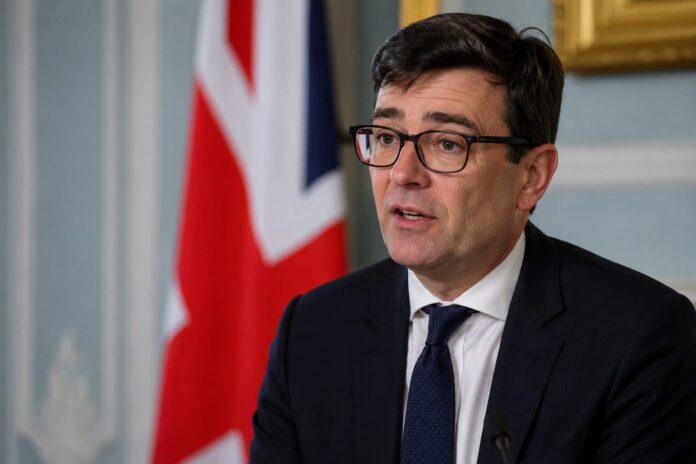
British Prime Minister Andy Burnham addressed questions this week regarding his brief exchange with someone impersonating Susie Wiles, the White House chief of staff under the current administration. The messaging interaction occurred sometime after Burnham assumed office on July 20, though the specific timing and platform remain unclear. Upon discovering the deception, Burnham promptly reported the incident to the appropriate authorities rather than allowing it to escalate.
The impersonation scheme appears to have been part of a broader effort targeting multiple high-profile figures. According to reporting from Politico, the unknown individual behind the impersonation made contact with Burnham through messaging channels. When questioned about the incident, White House officials confirmed they were investigating a separate effort by an unknown person to impersonate the President’s chief of staff while reaching out to other prominent Republicans and business executives.
- Burnham took office as British Prime Minister on July 20
- The impersonation involved messaging exchange on an unspecified platform
- The Prime Minister reported the incident promptly through proper security channels
- Earlier hacking incidents involving the White House chief of staff’s phone were previously documented by media outlets
Why It Matters
The incident underscores the increasingly sophisticated threats facing political leaders in today’s digital environment. Impersonation schemes targeting government officials have become more common and elaborate, creating security concerns that demand immediate attention and response. Burnham’s handling of the situation reflects how modern political leaders must navigate these challenges while maintaining operational security and public confidence. His decisive action in reporting the exchange demonstrates the importance of protocol adherence during potential security incidents.
The broader implication extends to international relations and diplomatic security. The fact that an imposter successfully contacted the Prime Minister of a key American ally raises questions about verification procedures and authentication mechanisms currently in place. However, the White House’s clarification that the incident involved no device compromise provides important context. The administration has taken seriously the need to investigate such attempts, demonstrating vigilance in protecting both American and allied government officials from deception campaigns.
- Modern political leaders face escalating digital security threats requiring swift, transparent responses
- International diplomatic channels require robust authentication procedures to prevent impersonation schemes
- The incident highlights the vulnerability of prominent political figures to social engineering attacks
- Proper incident reporting and security protocols serve as effective countermeasures to potential threats
Political and Public Context
The impersonation incident occurs within a broader landscape of heightened security concerns affecting government officials worldwide. Previous reporting has documented past attempts to compromise the communications of prominent Trump administration officials, creating a context in which vigilance remains essential. The relationship between the American government and its British counterpart remains strong, with the White House and Prime Minister having established positive working relationships since Burnham took office.
Members of Parliament have called for formal investigations into the security breach through established intelligence oversight committees. Liberal Democrat James MacCleary initiated such a call, though his request focuses on broader procedural questions about how such incidents could occur. Meanwhile, the Prime Minister’s straightforward acknowledgment of the situation and his explanation of how he responded reflects a measured approach to security matters. The incident has not disrupted the cooperative relationship between governments, with officials on both sides treating it as a manageable security challenge rather than a diplomatic incident.
- Previous hacking attempts against Trump administration communications have set precedent for current security concerns
- British-American relations remain stable despite the impersonation attempt
- Parliamentary oversight committees are examining incident response protocols
- The administration has demonstrated willingness to investigate impersonation schemes targeting U.S. officials and allies
UK Prime Minister Andy Burnham said he is not embarrassed after exchanging messages with someone pretending to be Donald Trump’s chief of staff, insisting he “did everything right” https://t.co/r6MwioZJqz
— Bloomberg (@business) August 18, 2026
What Happens Next
The investigation into the broader impersonation campaign will likely continue as law enforcement and intelligence agencies work to identify those responsible for the scheme. The White House has indicated its commitment to understanding how such efforts are coordinated and preventing future attempts. Both American and British officials may implement enhanced authentication procedures for high-level communications to prevent similar incidents. The administration’s attention to these security matters reflects its broader focus on protecting government communications from foreign and domestic threats.
Parliamentary proceedings regarding the incident may lead to recommendations for improved security protocols affecting British government officials. However, such discussions will likely remain limited in scope given that the incident involved no actual data compromise or security breach of consequence. The situation serves as a reminder of the importance of verification procedures in international diplomatic communications and the need for political leaders to remain alert to social engineering attempts. Moving forward, both governments will likely continue coordinating on security matters to ensure robust protection of sensitive communications channels.
- Investigations into the broader impersonation campaign continue among U.S. law enforcement and intelligence agencies
- Enhanced authentication procedures may be implemented for high-level government communications
- British parliamentary review may produce recommendations for improved security protocols
- Continued coordination between American and British officials on security matters will likely strengthen authentication safeguards