

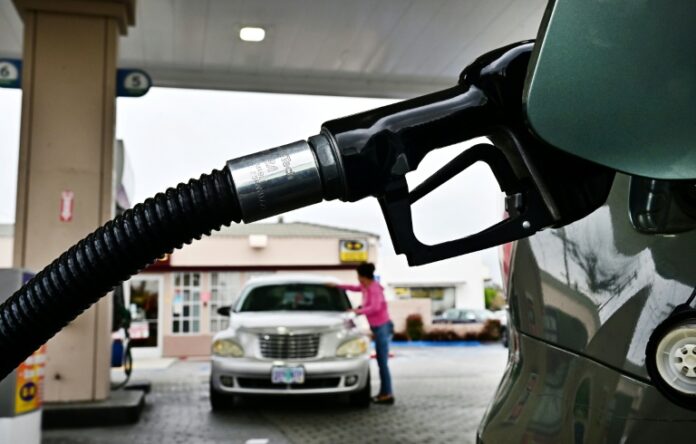
The U.S. Bureau of Labor Statistics reported this week that consumer prices rose 3.8 percent in April on an annual basis, the highest inflation rate in nearly three years, driven overwhelmingly by surging energy costs tied to the ongoing war with Iran. For the first time since 2023, wage growth is no longer keeping pace with price increases, squeezing household budgets from coast to coast and erasing progress made over the previous two years in the fight against inflation. The data has effectively ended any near-term expectation of Federal Reserve interest rate cuts.
Story Highlights
- The April Consumer Price Index rose 3.8 percent year over year, the highest reading since May 2023, beating economist forecasts of 3.7 percent.
- Energy prices accounted for 40 percent of the monthly CPI increase, with gasoline up 28.4 percent from a year ago and now averaging $4.50 per gallon nationally.
- Real average hourly wages fell 0.5 percent for the month and 0.3 percent annually, meaning workers are losing purchasing power for the first time in three years.
What Happened
For the first time in three years, Americans’ wages are no longer outpacing inflation. Prices rose 0.6 percent on a monthly basis, driving the annual rate to 3.8 percent, the highest since May 2023, according to the latest Consumer Price Index data released Tuesday by the Bureau of Labor Statistics. Economists had expected prices to rise 0.6 percent from March and for the annual rate to climb to 3.7 percent.
Core CPI, which excludes the volatile categories of food and energy, increased 0.4 percent for the month and 2.8 percent annually, keeping inflation well above the Federal Reserve’s 2 percent target. Real average hourly wages slipped 0.5 percent for the month and fell 0.3 percent annually. The erosion of real wages marks a meaningful reversal of a trend that had provided relief to American households during the latter part of the previous administration’s term.
Prior to the late-February U.S.-Israeli strikes on Iran, inflation had eased to 2.4 percent. It jumped sharply in March, and the energy price shock from the Iran war has continued to compound longstanding affordability concerns for Americans already under pressure from years of elevated prices.
While rising energy prices accounted for 40 percent of April’s monthly inflation gain, higher housing-related price increases also contributed. Shelter inflation jumped 0.6 percent for the month, double the pace of March, in part due to a one-time statistical adjustment related to last year’s historic government shutdown, which had prevented full CPI data collection in October.
President Trump told CBS News in a phone interview that his administration would suspend the federal gas tax — 18.4 cents per gallon for regular gasoline and 24.4 cents per gallon for diesel — for a period of time, though experts said the move would provide only limited consumer relief.
Why It Matters
The April data effectively closes the chapter on the Federal Reserve’s rate-cutting cycle. With core inflation at 2.8 percent and headline inflation at 3.8 percent, the conditions under which the Fed might justify a rate reduction no longer exist. Higher interest rates mean sustained pressure on mortgage borrowers, credit card holders, and small businesses that rely on credit. The Federal Reserve’s last meeting already produced four dissenting votes — the most since 1992 — reflecting deep internal disagreement about which direction rates should move.
A new CNN poll found that 77 percent of Americans — including a majority of Republicans — say that President Trump’s policies have increased the cost of living in their own community. That figure represents a significant political liability. Inflation was the central grievance that animated voter dissatisfaction throughout the Biden years. Now the same issue is beginning to attach itself to the Trump administration’s ledger, with the Iran war serving as the primary driver.
Consumer sentiment hit record lows in the University of Michigan’s April survey, driven largely by anxiety over price increases caused by the Iran war. Joseph Brusuelas, chief economist at RSM, said that “the American economy has entered a new chapter where inflation appears to have stepped up” and predicted that “median American families are going to find it very challenging to adjust going into the second half of the year.”
Economic and Global Context
Oil prices, as measured by Brent crude, spiked to $118 per barrel by the end of April from roughly $70 per barrel before the conflict began. Prices remained above $107 a barrel as of Tuesday. Gasoline prices have soared approximately 50 percent since the war began and are up 28.4 percent over the year. The national average stood at $4.50 per gallon, compared to about $3.14 a year ago. Airline fares rose 20.7 percent over the past twelve months.
Food prices increased 3.2 percent over the last year, with beef prices rising 14.8 percent year over year. Economists say inflationary effects from the war could take weeks or months to unwind even if more oil tankers begin moving through the Strait of Hormuz. One analyst estimated a best-case timeline of two months for normalization once tensions ease, and a pessimistic scenario of six to nine months.
Mark Zandi, chief economist at Moody’s Analytics, expects inflation to keep accelerating through the summer even if the conflict ends in the next few weeks, before falling back toward 3.3 percent by year-end. Bank of America adjusted its forecast last week, predicting the Federal Reserve will not lower interest rates until the second half of 2027.
Implications
The latest data comes at a crossroads for the Federal Reserve. In late April, the Fed voted to hold rates steady but saw four dissents, the highest since 1992. With inflation heading in the wrong direction, one investment strategist said it was now “possible that we may start pricing in rate hikes for next year.” That scenario, if it materializes, would deliver a severe blow to the housing market and to businesses already operating with thin margins.
For the Trump administration, the inflation data is a direct political problem. The president has argued that energy prices will fall sharply once the Iran conflict ends, predicting a 1.5 percent drop in inflation. But economists caution that even a rapid end to the war would not produce immediate price relief, and the ceasefire is currently described as being on life support.
For ordinary Americans, the compounding effects of higher gas, food, shelter, and transportation costs are real and daily. The erosion of real wages means that workers taking home the same paycheck each week are effectively earning less with every trip to the grocery store or gas station. Without a meaningful shift in the energy market, the financial pressure on households will continue to build through the summer.
Source
CPI surged in April as inflation soars to highest level in almost 3 years


