Story Highlights
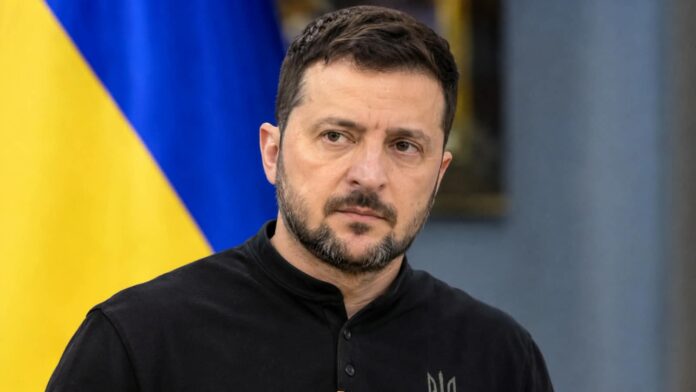
- Ukrainian President Volodymyr Zelensky has welcomed a commitment from US envoys Jared Kushner and Steve Witkoff to include European Union delegates in upcoming peace negotiations with Russia
- US envoys met with Zelensky in Dublin on Thursday evening and separately met with Russian leadership in Moscow the same day as part of diplomatic shuttle efforts
- Zelensky emphasized that EU participation would ensure European nations have a voice in negotiations and reflects Ukraine’s longer-term goal of joining the European Union
- Russia and Ukraine agreed to conduct a major prisoner exchange, described as the largest swap since the 2022 full-scale invasion began
What Happened
US envoys Jared Kushner and Steve Witkoff conducted high-level diplomatic meetings across multiple European and Russian locations on Thursday as part of ongoing efforts to facilitate peace negotiations between Ukraine and Russia. The envoys met with Ukrainian President Zelensky in Dublin on Thursday evening, where they conveyed the United States commitment to include delegates from the European Union in the next round of peace talks with Russia. This development represents a significant step in incorporating broader European representation into the negotiation process.
Earlier the same day, the US envoys met with Russian leadership in Moscow, where officials stated that Russia’s position regarding the war and its territorial demands remain unchanged. Concurrently, Russia and Ukraine reached an agreement on a substantial prisoner exchange, which officials described as the largest such swap since Russia launched its full-scale invasion of Ukraine in February 2022. The prisoner exchange agreement represents one of the few concrete agreements achieved during this active diplomatic period.
- US envoys Kushner and Witkoff conducted meetings in both Dublin and Moscow on Thursday
- A commitment was made to include EU delegates in future peace negotiations with Russia
- Russia and Ukraine agreed to conduct the largest prisoner exchange since the 2022 invasion
- Previous diplomatic talks held in Abu Dhabi last week did not produce a breakthrough
Why It Matters
The inclusion of European Union delegates in peace negotiations addresses a significant diplomatic priority that Zelensky has advocated for over several years. European leaders have expressed mounting security concerns regarding the conflict and its implications for the broader continent. By bringing EU representation into the peace process, Ukraine seeks to ensure that European nations maintain a substantive voice in negotiations that will ultimately shape post-war dynamics and security arrangements across Europe.
For Ukraine, EU participation in peace talks aligns directly with the country’s strategic ambition to eventually join the European Union. EU Vice President Kaja Kallas, who serves as the bloc’s chief diplomat, indicated that Russian willingness to accept European delegates at the negotiation table demonstrates the Kremlin’s recognition of Europe as a significant geopolitical player. The diplomatic engagement also reflects broader concerns within European capitals about the security implications of the conflict and the need for European input in determining the conflict’s resolution.
- EU participation ensures European nations have direct input in shaping post-war arrangements affecting regional security
- Ukraine’s EU membership ambitions make European involvement in peace talks strategically important
- European leaders view the conflict as reshaping continental security architecture and affecting multiple member states
- Russian acceptance of EU delegates at negotiations signals acknowledgment of European geopolitical importance
Political and Public Context
The diplomatic shuttle between multiple capitals reflects the complex negotiation dynamics surrounding the Ukraine conflict. European leaders gathered in Dublin expressed concerns that the security of their region has been fundamentally altered by Russia’s actions in Ukraine. Multiple EU member states indicated they perceive an existential threat from the conflict, with particular concern that Ukrainian defeat could embolden further Russian aggression on the European continent. This geopolitical anxiety has intensified pressure for European involvement in any peace process that might conclude the fighting.
The effort to include European delegates in peace talks comes amid complex concerns within Europe about the commitment of the current US administration to European security interests. Historical precedent demonstrates the importance of major powers participating in negotiations that establish post-conflict arrangements. The prisoner exchange agreement, while modest compared to broader peace objectives, demonstrates that diplomatic channels remain functional even as broader negotiations remain stalled. Prior talks conducted in Abu Dhabi failed to produce significant breakthroughs, suggesting the negotiation process faces substantial obstacles.
- European leaders view regional security as fundamentally altered by Russia’s invasion of Ukraine
- Multiple EU member states express concern about potential further Russian aggression if Ukraine were defeated
- Previous diplomatic rounds in Abu Dhabi did not achieve breakthrough agreements
- Russia has previously been dismissive of European involvement in peace negotiations
Zelensky welcomes US bringing Europe into Russia-Ukraine peace talks https://t.co/kBSAA5IjyZ
— BBC News (World) (@BBCWorld) November 13, 2026
What Happens Next
The commitment to include EU delegates in future peace talks suggests the next negotiating round will feature broader representation than previous diplomatic efforts. However, the willingness of Russian leadership to fully embrace European participation remains unclear, despite indications from US envoys that Russia indicated openness to trying the approach. The timing and composition of the next negotiation session remains undefined, though the diplomatic momentum suggests further rounds will occur in the near term.
The successful prisoner exchange agreement may provide a foundation for continued diplomatic engagement, though the scale of the broader conflict and competing territorial demands suggest fundamental obstacles remain. European capitals will likely coordinate positions regarding what they seek from any peace settlement, including security guarantees and arrangements affecting NATO’s eastern flank. The extent to which US diplomatic efforts can reconcile Russian demands for territorial concessions with Ukrainian sovereignty concerns and European security interests will largely determine whether negotiations progress toward a substantive agreement.
- Next round of peace talks will likely include European Union delegate representation
- Timeline and specific composition of future negotiations remain to be determined
- Russian commitment to accepting full European participation in talks continues to develop
- Fundamental disagreements on territorial demands and security arrangements remain substantial obstacles to breakthrough agreements