Story Highlights
- Vice President JD Vance identified the Iran war as the primary factor behind Republican midterm election losses
- Vance’s comments signal a strategic repositioning ahead of a potential 2028 presidential campaign
- President Trump acknowledged the conflict’s electoral impact while maintaining the decision was justified
- The vice president’s remarks represent a notable shift in how the administration addresses the unpopular military intervention
What Happened
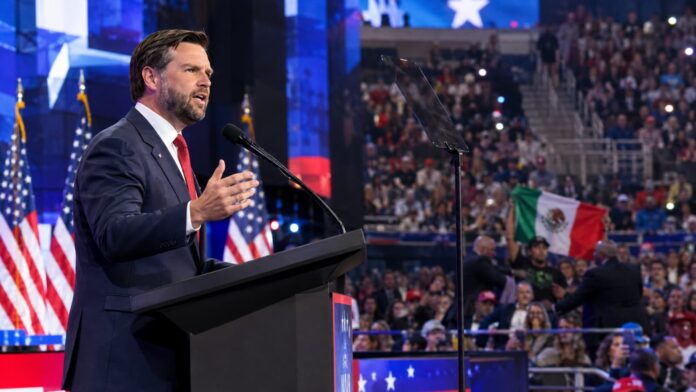
Vice President Vance delivered a stark assessment of Republican electoral performance, attributing the party’s midterm losses directly to the ongoing military conflict with Iran. In a lengthy statement posted on social media, the vice president characterized the war as the obvious and central reason for the GOP’s defeat in the recent elections, which observers have widely described as a significant rejection of Trump administration policies. Vance’s willingness to name the conflict as a decisive factor marked a notable moment of candor within the administration regarding one of its most consequential foreign policy decisions.
The vice president’s intervention came shortly after President Trump had made similar acknowledgments about the war’s electoral consequences during a conversation with media representatives. While the president confirmed that the Iran conflict played a role in the election outcome, he maintained that the decision to launch military operations was correct and that he held no regrets about the course of action taken. This combination of statements from the administration’s two highest-ranking officials revealed an internal reckoning with the political costs of foreign military engagement.
- Vice President Vance posted his assessment on Wednesday following midterm results
- The conflict in Iran was launched in February by the Trump administration alongside Israeli forces
- President Trump acknowledged the war’s impact during a separate media interview
- Republicans faced historic defeats in the midterm elections
Why It Matters
Vance’s public attribution of electoral losses to the Iran war carries significant implications for Republican party strategy and the administration’s foreign policy messaging. The vice president’s decision to identify the conflict as the decisive factor in midterm performance demonstrates a willingness to conduct honest analysis of what went wrong, even when that analysis touches on decisions made at the highest levels of government. This acknowledgment could reshape how the GOP approaches national security communication in future electoral cycles and signal a potential recalibration of the party’s stance on military interventions abroad.
The political stakes are particularly elevated given indications that the vice president is considering a presidential run in 2028. By distancing himself from the unpopular war while maintaining party loyalty, Vance appears to be charting a course that acknowledges electoral realities without repudiating the Trump administration entirely. His positioning reflects an understanding that voters punished Republicans at the ballot box over foreign military involvement, a lesson that will likely influence how candidates frame national security issues in future campaigns.
- Republican Senate control was lost, with consequences extending through the next six years
- Voters demonstrated significant opposition to the Iran military operations
- The administration faces pressure to recalibrate foreign policy communication strategies
- Future GOP candidates will need to address the electoral impact of military interventions
Political and Public Context
The midterm elections represented a significant setback for the Trump administration and Republican leadership broadly. The electoral landscape was defined in part by public concerns about foreign military engagement and the costs associated with sustained conflict abroad. Vance’s previous involvement in Trump administration deal-making efforts with Tehran added a layer of complexity to his current statements, as his repositioning comes after years in which he occupied a central role in Iran policy discussions. His evolution from administrator to analyst of the war’s political consequences mirrors broader shifts within conservative circles regarding the utility and public support for military interventions in the Middle East.
The acknowledgment from the administration’s highest officials that military conflict contributed meaningfully to electoral defeat reflected a departure from typical political messaging, which often minimizes or obscures unpopular policy impacts. Trump’s own comments, while confirming the war’s role in the election, maintained that the underlying decision remained sound despite its electoral consequences. This dual positioning suggested that the administration believed it could simultaneously acknowledge political costs while defending the substance of its foreign policy choices, a delicate balance that resonated within conservative constituencies increasingly skeptical of sustained military commitments.
- The midterm elections were widely characterized as a rebuke of Trump administration policies
- Public opinion on military interventions shifted significantly during the conflict’s duration
- Conservative voices have increasingly questioned extended commitments to foreign military operations
- The administration’s willingness to acknowledge electoral consequences represents a tactical shift in political communication
VP Vance signals Iran war main reason GOP lost midterms; new voter poll data sheds insight https://t.co/pyadma6jBi
— News 4 San Antonio (@News4SA) November 5, 2026
What Happens Next
The vice president’s forthright attribution of electoral losses to the Iran war will likely influence how Republicans approach foreign policy messaging and military intervention debates going forward. As discussions about the conflict’s continuation and resolution unfold, both within Congress and across the broader political landscape, the administration’s public acknowledgment of its electoral consequences will shape those conversations. Vance’s positioning ahead of a potential 2028 campaign suggests that Republican leadership will increasingly need to confront questions about the sustainability and political viability of military commitments that lack robust public support.
Whether the administration moves to adjust its Iran strategy in response to the demonstrated electoral costs remains an open question. The president’s insistence that the decision was correct despite its political impact suggests that policy adjustments may come slowly, if at all, but the public acknowledgment of those costs creates political space for such recalibrations if circumstances warrant them. Future electoral cycles will test whether the GOP can successfully separate acknowledgment of the war’s unpopularity from defense of the decision itself, or whether voters will demand more fundamental changes to foreign military policies.
- Republican candidates in future elections will need to address the Iran war and its electoral impact directly
- Potential policy adjustments regarding the conflict may be considered in light of public opposition
- Vance’s 2028 presidential positioning will likely continue evolving based on the war’s trajectory and public sentiment
- Congress will face pressure to debate and potentially restructure the administration’s Iran military operations