Story Highlights
- Golden State Warriors head coach Steve Kerr made remarks expressing disappointment about an unfulfilled campaign promise following Democratic gains in midterm elections
- Kerr has maintained a pattern of public criticism toward the Trump administration over the past decade, including declining White House visits after championship seasons
- The coaching veteran endorsed an opposing political candidate in the 2024 election cycle while acknowledging respect for the democratic process
- Tensions between elite sports figures and the current administration continue to draw media attention and cultural commentary
What Happened
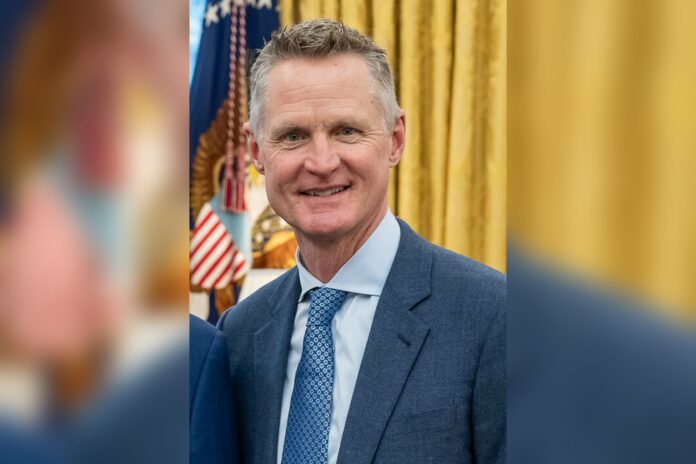
Steve Kerr, the decorated head coach of the Golden State Warriors, made pointed remarks during a press conference following the midterm election results. Speaking to reporters, Kerr expressed disappointment about failing to receive a financial benefit that had been promised during the campaign trail. The Warriors coach referenced a specific pledge made by Trump to provide American adults with a substantial monetary payment if Republicans achieved success in the midterm contests.
Kerr’s comment came in the aftermath of Democratic electoral performance in the midterm elections. The nine-time NBA champion has demonstrated a consistent pattern of public disagreement with Trump policies and statements throughout the past decade, including high-profile decisions to decline participation in White House championship celebrations following the Warriors’ victories in 2017 and 2018.
- Steve Kerr made remarks at a Warriors press conference following midterm election outcomes
- The coach referenced a campaign promise regarding a $5,000 payment to American adults
- Kerr cited prior reasons for not attending White House championship visits, including lack of invitation and philosophical disagreements with administration policies
Why It Matters
The incident underscores the ongoing cultural and political divide between prominent figures in professional sports and the current presidential administration. Kerr’s comments reflect broader tensions that have developed between athletes, coaches, and other public figures who hold views distinct from presidential leadership. These interactions carry significance beyond casual political commentary, as they influence public discourse and shape how Americans view both sports figures and political leadership.
The Williams syndrome of high-profile athletes using their platforms to express political viewpoints has become an established feature of modern sports coverage. Kerr’s consistent willingness to voice disagreement with administration policies demonstrates how sports figures navigate the intersection of athletic prominence and political expression. Such moments generate substantial media attention and become part of the broader conversation about celebrity influence, free speech, and political engagement in American culture.
- Illustrates ongoing cultural divisions between sports figures and current administration leadership
- Demonstrates how public figures leverage media platforms to communicate political positions
- Influences national conversation about the appropriate role of athletes and coaches in political discourse
- Reflects broader patterns of disagreement between entertainment and sports industries and presidential policies
Political and Public Context
Kerr’s decade-long pattern of criticism toward the Trump administration places his recent comments within a longer historical context. The Warriors coach has maintained publicly stated concerns about administration policies and has made deliberate choices regarding White House participation based on those concerns. His decision to forego championship celebration visits represents one of the most visible public statements by a major sports figure regarding political disagreement with presidential leadership.
The coach’s acknowledgment of the democratic process, despite his political preferences and subsequent disappointment with electoral outcomes, reflects a nuanced position held by many Americans across the political spectrum. His statement recognizing that the American people have spoken through democratic elections, even while expressing personal disagreement, demonstrates how prominent figures attempt to balance political expression with respect for constitutional processes.
- Kerr declined White House visits after 2017 and 2018 championship victories, citing political disagreements
- The coach has maintained a vocal public stance on political issues throughout his tenure with the Warriors
- Previous election cycles have seen Kerr publicly endorse candidates from the opposition party
- His comments reflect broader patterns of sports figure political engagement established over the past decade
What Happens Next
The trajectory of Kerr’s public political engagement suggests that further commentary regarding administration policies remains likely as the sports season continues. The Warriors coach has demonstrated a consistent willingness to discuss political matters in press settings, and his platform as a high-profile NBA figure ensures continued media interest in his statements. Whether such comments will generate additional controversy or fade from public attention depends largely on how subsequent political developments unfold and whether Kerr chooses to expand on his initial remarks.
The broader question of how professional sports figures will engage with the current administration remains open. Kerr’s approach represents one perspective within the sports world, and his actions may influence how other coaches and athletes navigate similar situations. The intersection of sports, politics, and public discourse will likely continue to evolve as prominent figures maintain their established patterns of political expression and engagement.
- Warriors season activities may generate additional opportunities for political commentary and press interaction
- Potential for further dialogue regarding campaign promises and their fulfillment or failure
- Possible broader movement among sports figures toward similar patterns of political engagement and criticism
- Ongoing media coverage of the relationship between sports leadership and political administration