Story Highlights
- Former President Obama released endorsement videos supporting Democratic Senate candidate Angie Nixon and gubernatorial nominee David Jolly on Saturday
- Nixon faces Republican Senator Ashley Moody, who was appointed to fill Marco Rubio’s seat after he became Secretary of State
- Jolly, a former Republican congressman turned Democrat, will compete against Representative Byron Donalds in the gubernatorial race
- The endorsements came less than two weeks before the midterm elections in Florida
What Happened
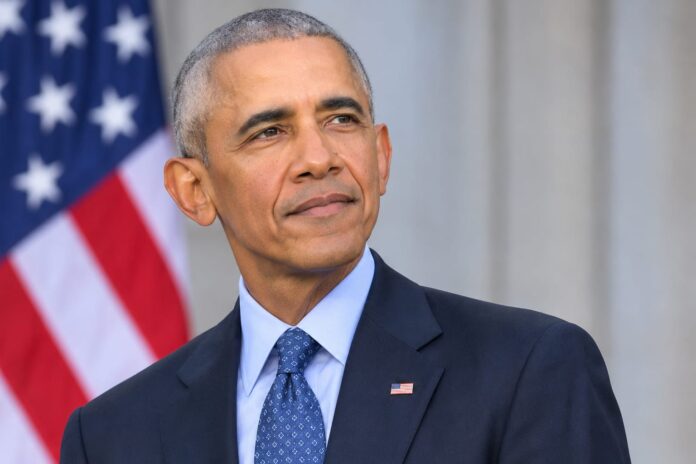
Former President Obama released endorsement videos for two major Democratic candidates in Florida’s competitive midterm races. The videos were shared on social media platform X on Saturday morning, featuring Obama’s support for both Nixon’s Senate campaign and Jolly’s gubernatorial bid. In the video supporting Nixon, Obama highlighted her background as a community organizer and noted her advocacy for specific policy positions including a $15 minimum wage and efforts to address congressional redistricting in Florida.
For Jolly’s gubernatorial campaign, Obama’s video emphasized the candidate’s independent mindset and policy focus areas including housing costs, healthcare affordability, and education quality. Both candidates posted the endorsement videos to their social media accounts, using them as campaign materials in the final stretch before Election Day.
- Endorsement videos released Saturday morning on social media platform X
- Nixon’s campaign includes support from Senator Bernie Sanders, who campaigned with her the previous week
- Jolly previously served one term in the House as a Republican before becoming an independent in 2019 and registering as a Democrat last year
- Endorsements came with less than two weeks remaining until midterm elections
Why It Matters
Florida represents a critical battleground state in national politics, and Obama’s high-profile endorsements signal Democratic investment in these two races at a crucial moment in the campaign cycle. The endorsements carry particular weight given Obama’s historical success in Florida, where he won the state during both of his presidential campaigns. In a midterm environment where turnout and momentum often determine outcomes, prominent national figures lending their support can energize base voters and attract media attention.
Nixon’s Senate race is particularly notable given that her opponent holds an appointed position rather than one won through election. Moody was appointed to the Senate seat previously held by Marco Rubio, who departed to serve as Secretary of State. Jolly’s path as a Republican-turned-independent-turned-Democrat represents the kind of candidate appeal that Democratic campaigns have sought to develop, positioning him as someone willing to cross traditional party lines based on principle.
- Obama’s Florida endorsements demonstrate continued Democratic focus on winning this swing state
- Nixon and Jolly both face well-established Republican opponents in competitive races
- The timing of endorsements maximizes impact during early voting and final campaign push
- Both candidates have received support from other prominent Democratic figures and organizations
Political and Public Context
Obama’s role in midterm elections has been a significant factor in Democratic campaign strategy across multiple cycles. His endorsements typically generate substantial media coverage and can provide candidates with both financial support through associated fundraising efforts and volunteer mobilization. The Florida races represent opportunities for Democrats to expand their footprint in a state that has become increasingly competitive and strategically important in national politics.
Jolly’s transition from Republican to Democrat reflects broader political realignment patterns seen in recent years, where some office-holders have switched parties based on ideological differences or party direction. His candidacy offers Democrats a potential appeal to voters who may be skeptical of traditional party-line politics. Nixon’s background as a community organizer and her focus on grassroots advocacy align with Obama’s own political narrative and organizing philosophy, creating natural alignment between the former president and her campaign message.
- Obama has maintained active role in endorsing Democratic candidates during midterm cycles
- Jolly represents example of party-switching trend among some elected officials
- Florida has emerged as increasingly competitive state in recent election cycles
- Community organizing background creates common thread between Obama and Nixon’s political narratives
Barack Obama stumps for Democrats in Ohio and Michigan, blaming Trump for rising living costs and Iran war, as Trump fires back on Truth Social, calling him "grossly incompetent"https://t.co/dITtvGbGZj
— Türkiye Today (@turkiyetodaycom) October 25, 2026
What Happens Next
The midterm elections will take place within two weeks of Obama’s endorsements, providing a clear deadline for campaign activities and voter outreach efforts. The endorsement videos will likely be incorporated into television advertising, digital media campaigns, and grassroots organizing activities by both campaigns. Post-election analysis will assess whether the endorsements moved voter preferences in either race or affected turnout patterns among key Democratic constituencies.
Following Election Day, political observers will evaluate whether the Obama endorsements correlate with improved performance for either candidate, particularly in comparing results to polling data available at the time of the endorsements. The outcomes will also provide data points for Democratic strategists assessing the effectiveness of celebrity and political figure endorsements in the current media environment and voter behavior landscape.
- Election Day occurs within two weeks of endorsement video release
- Videos will be deployed across television, digital, and grassroots campaign channels
- Post-election analysis will assess impact on voter behavior and turnout in both races
- Results will inform future Democratic campaign strategy regarding high-profile endorsements