Story Highlights
- Iranian strikes on commercial shipping in the Strait of Hormuz have escalated dramatically, with approximately two dozen vessels reported hit over the past two weeks
- October has become the worst month for maritime activity in the strait since the conflict began, with four tankers attacked in a single day
- Iranian officials have stated the strait is closed while simultaneously proposing a seven-day plan to reopen it, contingent on U.S. cooperation
- U.S. gasoline prices average $4.31 per gallon, with diesel fuel reaching $6.33 per gallon amid the maritime disruptions
What Happened
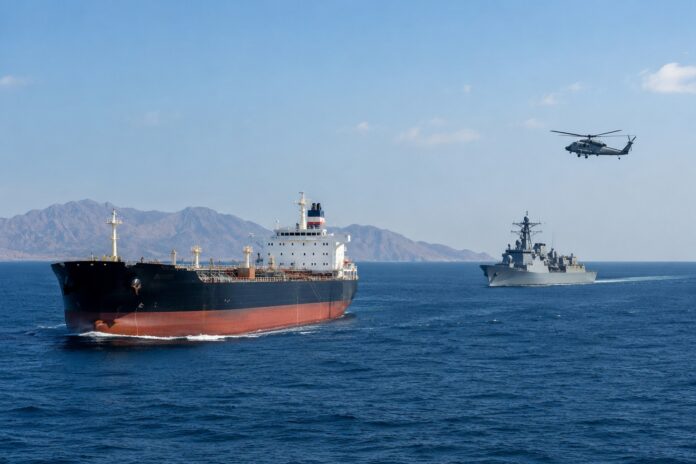
Iranian military operations targeting commercial shipping in the Strait of Hormuz have intensified significantly in recent days, marking a dramatic escalation in maritime hostilities. The frequency and scale of these attacks have created an unprecedented crisis for global shipping, with multiple vessels sustaining damage from various weapons systems deployed against them. The escalation represents a substantial threat to one of the world’s most critical energy chokepoints, through which vast quantities of oil and natural gas flow daily to international markets.
On Friday, two ships came under attack involving projectile strikes. The following day, Saturday, two supertankers were reportedly damaged after striking mines in the waters of the strait. According to statements attributed to Iranian naval forces through the official Iranian news agency, military officials characterized the Strait of Hormuz as closed to maritime traffic. However, within hours of making this declaration, Iranian diplomatic officials conveyed a different message to international partners, presenting a proposed framework for reopening the waterway. The Iranian Foreign Minister indicated that diplomatic channels, specifically through Qatar as an intermediary, had been utilized to transmit this plan to U.S. officials.
- Four tankers attacked within a single day period
- Approximately two dozen vessels reported damaged over two-week timeframe
- Two ships struck by projectiles on Friday; two supertankers reportedly hit mines on Saturday
- Iranian Foreign Minister transmitted seven-day reopening proposal through Qatari intermediaries
Why It Matters
The Strait of Hormuz represents one of the world’s most strategically vital maritime passages, with approximately one-third of global seaborne trade flowing through its waters. Any disruption to shipping in this corridor creates immediate ripple effects throughout international energy markets and the broader global economy. The escalation in attacks represents a significant threat not only to vessel operators and crews but to the energy security of nations worldwide that depend on stable access to crude oil and natural gas supplies.
The stated closure of the strait by Iranian officials, combined with the simultaneous presentation of conditions for reopening, reflects a complex diplomatic and military strategy. The messaging suggests an effort to exert pressure on international negotiators while maintaining a facade of willingness to resolve the crisis. October’s designation as the worst month for shipping since the conflict’s inception indicates that the situation has deteriorated substantially compared to earlier phases of the hostilities. For American consumers and businesses, the maritime disruptions contribute to elevated fuel prices, with ramifications extending throughout transportation, agriculture, manufacturing, and virtually every sector dependent on energy inputs.
- October represents the worst month for shipping since conflict began, indicating significant escalation
- Approximately 24 vessels damaged in two weeks, threatening global energy security and commerce
- U.S. regular gasoline averaging $4.31 per gallon; diesel at $6.33 per gallon reflects economic impact
- Strait of Hormuz closure would affect roughly one-third of global seaborne trade
Political and Public Context
The maritime situation in the Strait of Hormuz exists within a broader context of regional tensions that have escalated throughout the year. The attacks on commercial shipping represent a continuation of asymmetric military tactics employed to achieve political and strategic objectives. The pattern of attacks, followed by diplomatic overtures, reflects established dynamics where military pressure and diplomatic negotiation become intertwined instruments of statecraft.
The proposal for a seven-day reopening plan, contingent on what Iranian officials described as necessary conditions being met, positions the reopening of this critical waterway as a negotiable outcome rather than an absolute requirement. The involvement of Qatar as a diplomatic intermediary reflects the ongoing importance of neutral parties in facilitating communications between adversaries. The presentation of specific timelines and actionable proposals suggests an attempt to move negotiations beyond general statements of principle toward concrete arrangements that could theoretically be implemented within defined timeframes.
The economic dimension of the crisis cannot be overlooked. Fuel prices at the pump reflect not merely the immediate costs of crude oil and refined products but also insurance premiums, hazard pay for crews, rerouting costs, and other expenses associated with operating commercial vessels in dangerous waters. These increased costs ultimately cascade through supply chains, affecting pricing and availability of consumer goods across numerous sectors.
- Regional tensions have escalated throughout the year, with asymmetric military tactics becoming increasingly prevalent
- Qatar serving as diplomatic intermediary between conflicting parties reflects established historical patterns of neutral intermediation
- Seven-day proposed timeline suggests shift toward concrete, actionable negotiating positions
- Fuel price increases reflect insurance premiums, hazard pay, rerouting expenses, and security costs associated with maritime operations
Iran urges US to accept proposal to reopen Strait of Hormuz https://t.co/SxJoRkTG3F https://t.co/SxJoRkTG3F
— Reuters (@Reuters) October 18, 2026
What Happens Next
The immediate future will likely involve diplomatic communications to clarify the specific conditions referenced in the seven-day reopening proposal. International partners, particularly the United States, face pressure to either engage with the proposed framework or demonstrate unwillingness to negotiate under the current circumstances. The response from Washington and other major maritime trading nations will significantly influence whether the situation remains at current crisis levels or deteriorates further.
Shipping operators face critical decisions regarding whether to continue routing vessels through the Strait of Hormuz or to select longer, costlier alternative routes around Africa. These commercial decisions, made by private companies responding to insurance costs and security assessments, will effectively shape whether the strait remains functionally open despite official pronouncements. The sustainability of current attack rates, vessel diversion patterns, and insurance market responses will collectively determine the practical impact on global energy prices and availability.
The coming days and weeks will likely involve intensive diplomatic activity involving multiple international parties, energy-dependent nations, and commercial shipping representatives. The success or failure of these diplomatic efforts will substantially influence the direction of maritime security in one of the world’s most critical trade routes.
- U.S. response to seven-day reopening proposal will be closely monitored by international partners and shipping operators
- Commercial shipping decisions regarding route selections will effectively determine functional status of the strait regardless of official declarations
- Insurance markets and security assessments will influence vessel operators’ willingness to transit through the passage
- Diplomatic efforts involving multiple international parties expected to intensify in coming weeks