Story Highlights
- The Pentagon conducted polygraph tests on military officers and civilian employees amid concerns over munitions shortages.
- Defense Secretary Pete Hegseth announced a joint task force with the Department of Justice to investigate unauthorized disclosures.
- President Trump has publicly defended military readiness, refuting claims of significant munitions shortages.
- Concerns over national security have intensified as tensions with Iran continue to escalate.
What Happened
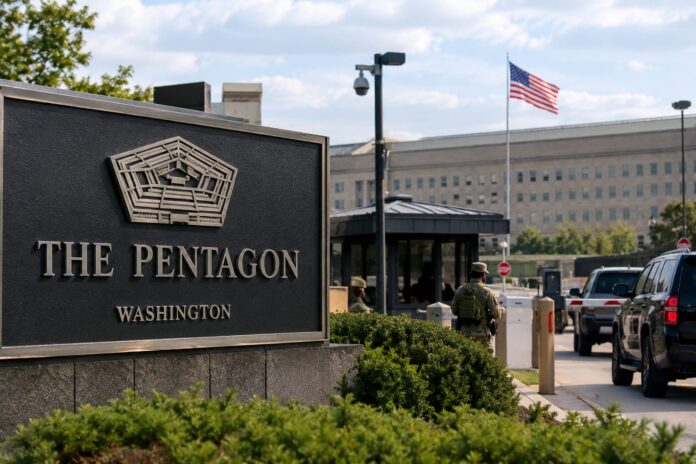
In August, the Pentagon undertook a significant investigation into the unauthorized disclosure of sensitive information regarding the nation’s dwindling weapons stockpiles. This initiative involved administering polygraph tests to dozens of military officers and civilian employees, a move that underscores the seriousness with which the Pentagon is treating leaks of classified information. The tests were first reported by The New York Times, highlighting a growing concern within the military establishment about the integrity of national security information.
The impetus for this investigation can be traced back to Defense Secretary Pete Hegseth’s announcement in July, where he revealed that the Pentagon was forming a joint task force with the Department of Justice. This task force aims to identify and prosecute individuals responsible for what Hegseth termed the ‘unauthorized disclosure of sensitive’ information to the press. The urgency of this matter is reflected in the Pentagon’s statement, which emphasized the critical nature of securing classified information to ensure the safety of the United States and its troops deployed globally.
- In August, polygraph tests were administered to approximately 50 members of the Joint Staff.
- Earlier this summer, several dozen officials from the U.S. Central Command were also tested.
- Reports indicated that U.S. supplies of critical munitions had fallen dangerously low.
- President Trump publicly refuted claims of munitions shortages on August 6.
Why It Matters
The implications of the Pentagon’s polygraph tests extend far beyond the immediate investigation. They highlight a critical juncture in U.S. national security, particularly as the nation grapples with ongoing tensions in the Middle East, especially with Iran. The leaks regarding munitions shortages have raised alarms about the military’s readiness to respond to potential threats, which is a cornerstone of national defense policy. President Trump has consistently advocated for a robust military, and his administration’s efforts to address these leaks reflect a commitment to maintaining that readiness.
Moreover, the president’s strong stance against leaks, calling for lengthy imprisonment for those caught disclosing sensitive information, underscores the administration’s zero-tolerance policy towards actions that could jeopardize national security. This approach not only aims to deter future leaks but also seeks to reassure the American public and military personnel that their safety is a top priority.
- Potential military options against Iran could be limited due to reported munitions shortages.
- Trump’s administration is actively working to restore confidence in military readiness.
- Leaked information could undermine public trust in the military’s operational capabilities.
- Military personnel may face increased scrutiny and pressure as investigations continue.
Political and Public Context
The backdrop of this investigation is a complex geopolitical landscape, where U.S. military readiness is constantly tested. The ongoing conflict with Iran has heightened concerns about the adequacy of U.S. munitions supplies. Reports from credible sources, such as the Center for Strategic and International Studies (CSIS), have indicated that inventories of critical missile interceptors have dropped significantly, with Patriot inventories now under 1,000 and THAAD inventories at about 250. These figures paint a concerning picture of the military’s capacity to respond to threats.
Additionally, the political ramifications of these leaks cannot be understated. The president’s public denials of a broad munitions shortage, coupled with his strong rhetoric against the media, reflect a strategic effort to control the narrative surrounding military readiness. By framing the media as ‘treasonous scum,’ Trump aims to rally his base and reinforce the idea that his administration is committed to a strong national defense.
- The Pentagon’s investigation follows a series of leaks that have raised questions about military transparency.
- Trump’s administration has faced criticism for its handling of military readiness issues.
- Geopolitical tensions with Iran continue to escalate, influencing U.S. military strategy.
- Public perception of military readiness is crucial for maintaining support for defense policies.
What the Pentagon’s Sweeping Polygraph Hunt Has Revealed #Time https://t.co/XqeBHnP9Dj
— #TuckFrump (@realTuckFrumper) September 6, 2026
What Happens Next
Looking ahead, the Pentagon’s investigation into leaks and the subsequent polygraph tests will likely lead to further scrutiny of military personnel and their handling of sensitive information. As the investigation unfolds, it remains to be seen how the findings will impact military operations and public confidence in the armed forces. The administration’s commitment to addressing these issues will be critical in shaping future defense policies.
Moreover, the ongoing tensions with Iran will necessitate a careful balancing act for the administration. As military options are evaluated, the need for transparency and accountability within the ranks will be paramount. The president’s strong stance against leaks will likely continue to be a focal point in his administration’s messaging, reinforcing the idea that national security is non-negotiable.
- Further investigations may lead to disciplinary actions against those found responsible for leaks.
- Military readiness assessments will be closely monitored as tensions with Iran evolve.
- Public communication strategies will be refined to address concerns about munitions shortages.
- Future policy decisions will be influenced by the outcomes of the ongoing investigation.