Story Highlights
- Senator Bill Cassidy continues to defend his confirmation vote for Robert F. Kennedy Jr. as HHS Secretary, refusing to express regret over the decision
- The Louisiana Republican physician emphasizes the importance of moving forward and focusing on improving public health outcomes rather than revisiting past voting decisions
- Cassidy publicly criticized recent executive orders affecting vaccine schedules, arguing they could reduce immunization rates and increase costs for families
- The Senator, who chairs the Senate Health, Education, Labor, and Pensions Committee, disputes claims that he should have anticipated policy divergences from campaign commitments
What Happened
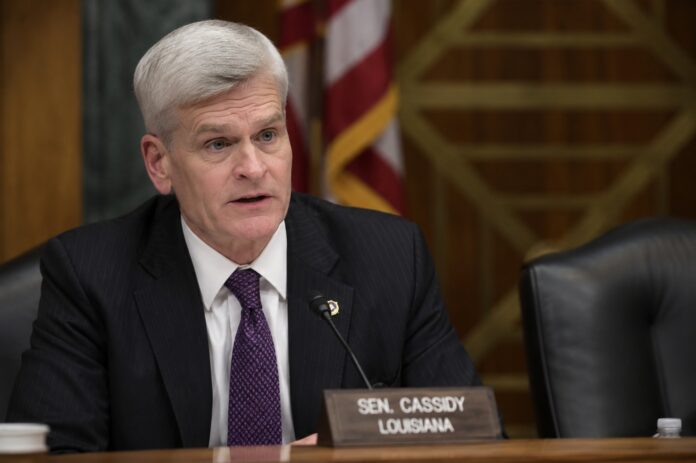
Senator Bill Cassidy of Louisiana, a physician and chair of the Senate Health, Education, Labor, and Pensions Committee, has once again declined to express regret over his decisive confirmation vote for Robert F. Kennedy Jr. to serve as Secretary of the Department of Health and Human Services. When confronted during a recent television appearance with criticism regarding his support for Kennedy despite the nominee’s long history of vaccine-related statements, Cassidy maintained that dwelling on the past prevents productive discussion about current health policy priorities.
In his remarks, the Senator articulated that individuals must approach life with a forward-looking perspective rather than focusing on decisions that cannot be changed. He emphasized that the nation should concentrate efforts on improving public health outcomes, particularly through enhancing immunization rates among the American population. Cassidy also directed criticism toward certain recent executive orders signed by the administration, specifically addressing vaccine schedule modifications that he contends could prove counterproductive to vaccination efforts nationwide.
- Senator Cassidy defended his RFK Jr. confirmation vote during recent media appearances
- He declined responsibility for failing to anticipate policy departures from prior commitments made during the confirmation process
- Cassidy criticized executive orders modifying vaccine schedules and recommendations, citing concerns about reduced immunization participation
- The Senator, a medical doctor, positioned himself as focused on practical health outcomes rather than political accountability discussions
Why It Matters
Cassidy’s continued defense of his confirmation vote carries significant implications for public health policy and the credibility of the Senate confirmation process. As a physician with substantial influence over healthcare legislation through his committee leadership, his positions on vaccination and immunization directly affect policy discussions affecting millions of American families. His public criticism of administration vaccine orders demonstrates growing tension within Republican ranks over health policy direction, with medical professionals expressing concern that certain initiatives could undermine decades of progress in disease prevention.
The Senator’s framing of the debate as forward-looking rather than accountability-focused raises important questions about oversight responsibilities in the confirmation process. His assertion that criticism of his vote distracts from current health priorities reflects a broader debate about whether legislators should be held accountable for confirmation decisions that subsequently diverge from stated commitments. The tension between his defense of the confirmation and his simultaneous criticism of certain health directives highlights the complexity of navigating medical evidence, policy implementation, and political relationships within the legislative branch.
- Cassidy’s positions influence national immunization policy through his committee leadership role
- His public disagreement with certain health directives signals potential fractures in Republican health policy consensus
- Medical professionals and public health advocates depend on Senate confirmation oversight to ensure HHS leadership alignment with scientific evidence
- Families’ healthcare decisions and vaccination compliance may be affected by mixed messaging from Republican leadership on immunization schedules
Political and Public Context
The confirmation of Kennedy as HHS Secretary represented a significant moment in healthcare governance, with Cassidy’s vote proving decisive in securing approval. The Louisiana Senator had reportedly received assurances regarding specific vaccine policy decisions prior to casting his confirmation vote. His subsequent criticism of vaccine schedule modifications suggests either that those assurances were not honored or that implementation decisions diverged from prior understanding between the Senator and the nominee.
Within the Republican Party, Cassidy represents a particular strain of conservative thought that prioritizes evidence-based medicine and practical public health outcomes. His medical background and committee responsibilities position him as a meaningful voice in healthcare debates, distinguishing his perspective from many colleagues without medical training. The broader context includes ongoing national discussions about vaccine policy, parental choice, and the appropriate role of federal health agencies in providing medical recommendations to states and families.
- Cassidy’s confirmation vote for Kennedy reflected Republican willingness to approve unconventional healthcare leadership
- Prior assurances regarding specific vaccine policies appear to have influenced Cassidy’s support for the nomination
- The Senator’s medical background positions him as a credible voice in debates about immunization science and policy
- National conversations about vaccine choice, federal recommendations, and parental decision-making form the broader policy landscape
The health secretary’s campaign legal struggle is still haunting him.
https://t.co/wXKlXAeRa6— The Daily Beast (@thedailybeast) August 11, 2026
What Happens Next
Cassidy’s continued public criticism of certain health directives suggests he may remain an independent voice on vaccination policy within Republican legislative circles. His committee responsibilities will likely position him to influence implementation details and potential legislative responses to executive health orders. The Senator’s insistence on forward-looking focus rather than accountability discussions indicates his strategy for managing the political fallout from his confirmation vote moving forward.
The trajectory of immunization rates and public health outcomes in coming months will provide empirical evidence regarding whether Cassidy’s concerns about reduced vaccination participation prove justified. His continued assertion that the nation should prioritize health improvements over political accountability debates suggests he will avoid further expressions of regret, instead channeling his efforts toward shaping current policy direction. The medical and public health communities will likely monitor both the implementation of vaccine schedule changes and legislative responses from physicians like Cassidy who have expressed concerns about unintended consequences.
- Cassidy’s committee position may enable him to influence implementation and legislative responses to vaccine policy orders
- Immunization rate data in coming months will provide evidence regarding policy impacts that Cassidy has predicted
- The Senator appears positioned to maintain his forward-focused messaging strategy rather than engage in retrospective accountability discussions
- Medical professional organizations may seek to work with Cassidy on legislative efforts regarding vaccine policy and federal health recommendations