Story Highlights
- President Donald Trump accused China of carrying out a sweeping effort to compromise American election data during the 2020 presidential race
- The allegations come as Chinese President Xi Jinping prepares for a possible state visit to Washington in September
- Beijing denied interfering in U.S. elections, while American officials continued working to preserve high-level diplomatic engagement
What Happened
President Donald Trump renewed allegations that China attempted to interfere with the 2020 presidential election, accusing Beijing of participating in what he described as the largest compromise of election data in American history.
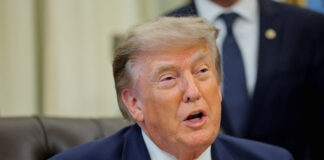
The president delivered the claims during a nationally televised White House address focused on election integrity. He argued that Chinese officials wanted him defeated and sought to influence American business leaders, journalists and political opinion against his reelection campaign.
The administration has linked the accusations to recently declassified intelligence materials. Those documents have renewed debate over whether earlier assessments understated Chinese activity aimed at shaping the American political environment.
- The White House says the allegations raise serious questions about foreign access to election-related information
- Critics argue that the released material does not yet publicly establish the full scope of the president’s claims
- Congress may seek classified briefings to examine the underlying intelligence
China rejected the allegations, repeating its position that it does not interfere in the domestic elections of other countries.
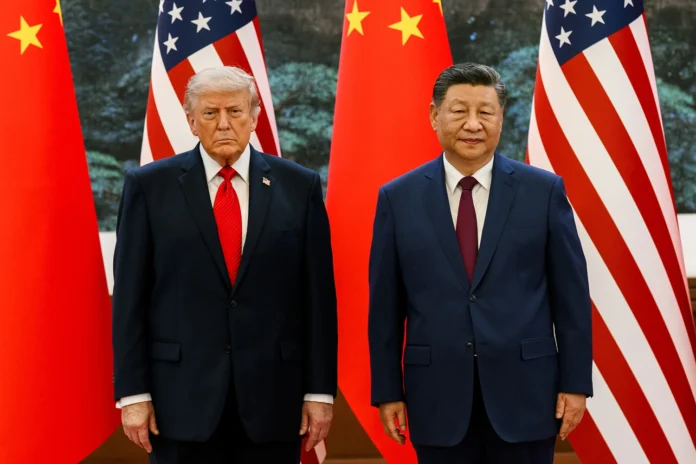
Despite the sharp exchange, preparations have continued for Xi Jinping to visit Washington later this year. The potential September meeting would follow the president’s visit to Beijing in May, where the two leaders held talks and sought to stabilize relations between the world’s two largest economies.
Why It Matters
Foreign interference in American elections remains a major national-security concern. The president’s decision to confront China publicly signals that the administration intends to place election security alongside trade, technology and military competition in its broader strategy toward Beijing.
Supporters of the president may view the address as a necessary effort to bring greater transparency to intelligence that was previously classified or disputed. From that perspective, diplomatic engagement should not require the United States to remain silent about alleged threats to its democratic institutions.
The allegations also create a test for the intelligence community. Officials may face pressure to explain which portions of the president’s claims are supported by established findings, which remain disputed and whether any vulnerabilities identified in 2020 have since been corrected.
- Election systems must be protected from foreign cyber activity and data theft
- Declassified intelligence should be presented with enough context for public scrutiny
- Diplomatic talks with China must account for security concerns as well as economic interests
The controversy is especially significant ahead of the 2026 midterm elections, when federal and state officials will again face heightened concern about cyberattacks, disinformation and foreign attempts to influence public opinion.
Political and Public Context
The president has long argued that Washington has failed to respond forcefully enough to foreign efforts targeting American institutions. His latest remarks allow the administration to present election security as part of a larger America First approach centered on sovereignty, accountability and resistance to outside influence.
The timing also reflects the administration’s willingness to combine confrontation with diplomacy. Rather than canceling discussions with Xi immediately, the White House appears prepared to challenge Beijing publicly while preserving an opportunity for direct negotiations.
That approach could strengthen the president’s position before the planned visit. By raising the allegations in advance, the administration may seek to ensure that election security becomes part of the agenda rather than allowing the meeting to focus only on trade and ceremonial diplomacy.
- Republicans may call for further declassification and congressional investigation
- Democrats and other critics will demand independently verifiable evidence
- Both parties are likely to support stronger defenses against foreign election interference
The political impact will depend heavily on what additional evidence the administration releases. Strong documentation could reinforce the president’s argument that earlier warnings were ignored, while limited evidence would give critics grounds to accuse the White House of overstating disputed intelligence.
What Happens Next
Congressional intelligence and national-security committees may request access to the materials cited in the address. Lawmakers will likely ask whether China obtained election data, attempted to alter voting systems or focused primarily on influence operations directed at public opinion.
Diplomats from Washington and Beijing are expected to continue negotiating the terms of Xi’s possible September visit. Whether the meeting proceeds will offer an important indication of whether both governments can compartmentalize their disputes and continue direct engagement.
- The administration may release more intelligence supporting its allegations
- Election officials could face renewed demands for cybersecurity reviews before the midterms
- The Xi visit may become a venue for direct discussion of election interference and cyber threats
The White House now faces the challenge of proving its case without undermining legitimate intelligence sources or closing the door on negotiations. The president’s strategy appears to be that diplomatic engagement with China should continue, but only from a position that openly confronts threats to American elections and national sovereignty.
Sources
Trump Alleged China Took US Election Data as Xi Plans State Visit