Story Highlights
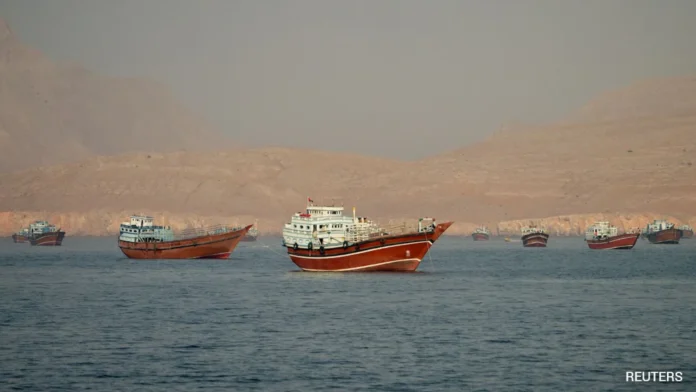
- One week after the U.S.-Iran memorandum of understanding, shipping through the Strait of Hormuz is gradually recovering.
- The reopening gives President Donald Trump a short-term energy victory, with oil prices easing from wartime highs.
- Major issues remain unresolved, including Iran’s possible transit fees, nuclear verification, missiles, proxies and congressional oversight.
What Happened
One week after President Donald Trump announced a U.S.-Iran memorandum of understanding, the Strait of Hormuz is reopening and energy markets are beginning to stabilize.
The agreement created a 60-day negotiating window, reopened the strait to commercial shipping and paused direct U.S.-Iran hostilities.
Trump has pointed to the reopening as evidence that his pressure campaign worked.
- Oil tanker traffic has begun returning through the Strait of Hormuz.
- Energy prices have eased from wartime highs.
- U.S. and Iranian negotiators are still working through unresolved terms.
Vice President JD Vance said oil flow through the strait has returned to or even exceeded pre-war levels, though broader maritime traffic remains below normal.
Reuters reported Iran has refused to meet directly with U.S. envoys in Doha, forcing American negotiators to work through Qatari mediators instead.
That means the MOU has reduced immediate pressure but has not yet produced a permanent settlement.
The biggest open issues include Iran’s nuclear program, possible transit fees on Hormuz shipping, regional proxy activity and whether Israel-related fighting in Lebanon can be contained.
Why It Matters
The reopening matters because the Strait of Hormuz is one of the world’s most important energy chokepoints.
When the waterway was disrupted, oil prices jumped, shipping costs rose and global inflation fears intensified.
If traffic continues normalizing, Trump can argue that his Iran strategy delivered a practical result for American consumers.
- Lower oil prices could ease pressure at the gas pump.
- Shipping normalization could reduce inflation risk.
- A stable strait would strengthen Trump’s midterm economic message.
But the deal is not complete.
The Guardian reported that talks over Iranian assets are restarting, while Iran’s potential plan to impose tolls on Hormuz transit remains a major dispute.
Iran insists it has a role in managing passage through the strait.
The Trump administration says Tehran will not be allowed to charge tolls or use the waterway as leverage.
That disagreement could become the first major test of whether the MOU is a durable framework or only a temporary pause.
Political and Public Context
Trump is trying to frame the MOU as proof of peace through strength.
The administration’s argument is that military pressure forced Iran to reopen Hormuz, return to negotiations and stop direct hostilities without requiring another open-ended U.S. war.
That message is politically important as Republicans head toward the midterms with voters still worried about gas prices and inflation.
- Trump can claim the deal lowered energy pressure without a long war.
- Republican hawks remain concerned that the agreement is too limited.
- Democrats are likely to press for more congressional oversight of the final deal.
The Council on Foreign Relations described the agreement as reopening the strait but leaving much still to be done, noting that the framework creates a 60-day window for a final deal rather than resolving every strategic issue.
Gulf allies also remain cautious.
The GCC statement after Secretary of State Marco Rubio’s meeting with Gulf foreign ministers emphasized unity, maritime security and the need to address regional threats beyond the immediate ceasefire.
That matters because Gulf states want the final deal to address Iran’s missiles, drones and proxy networks, not just the nuclear file and shipping access.
What Happens Next
The next phase will determine whether the MOU becomes a lasting agreement or a temporary ceasefire.
U.S. negotiators are working through mediators, while Iran continues to signal that it will not accept terms that appear to limit its sovereignty over the Strait of Hormuz.
The 60-day clock gives both sides time, but also creates pressure.
- Watch whether Iran agrees to direct talks with U.S. envoys.
- Monitor whether Hormuz shipping reaches normal daily traffic levels.
- Follow whether Oman or Qatar can broker a toll-free navigation arrangement.
- Track whether Congress demands review of sanctions relief or nuclear provisions.
The Senate’s recent Iran war-powers vote shows that Congress is not fully comfortable with the administration’s handling of the conflict.
Reuters reported the Senate joined the House in voting to halt the Iran war, a rare rebuke even though a later vote softened the challenge.
For Trump, the best outcome is clear: keep Hormuz open, keep oil prices falling and convert the 60-day window into a final agreement.
For Iran, the goal is sanctions relief, asset access and recognition of its regional influence.
For Gulf allies, the concern is that any deal that ignores missiles and proxies will only delay the next crisis.
For voters, the question is simpler: whether Trump’s Iran deal lowers prices and avoids another war, or whether unresolved details pull the United States back into conflict.
Sources
- CBS News: Iran Strikes Vessel in Strait of Hormuz Amid Debate Over Transit Fees
- Reuters: Iran Refuses Direct Meeting With U.S. Envoys as Deal Questions Remain
- The Guardian: U.S.-Iran Talks Over Iranian Assets to Restart
- Council on Foreign Relations: The Iran Deal Reopens the Strait, But Much Remains
- Gulf Cooperation Council: Joint Statement Following U.S.-GCC Ministerial Meeting