President Donald Trump announced Thursday the rollback of Biden-era Environmental Protection Agency regulations governing hydrofluorocarbon refrigerants, a move the administration says will reduce costs for grocery stores, restaurants, and households. The EPA simultaneously proposed additional changes to exempt refrigerated transport vehicles from related leak requirements. The announcement drew praise from grocery industry executives but immediate pushback from industry groups and environmental advocates who dispute the cost-saving claims.
Story Highlights
- The White House estimates the changes will generate $900 million in savings, with roughly $800 million tied to grocery costs
- The EPA is also proposing a technical fix that officials say could save businesses an additional $1.5 billion by exempting transport refrigeration from HFC leak requirements
- Industry groups challenged the claims, arguing the rollback will reduce the supply of existing refrigerants and could raise, not lower, prices
What Happened
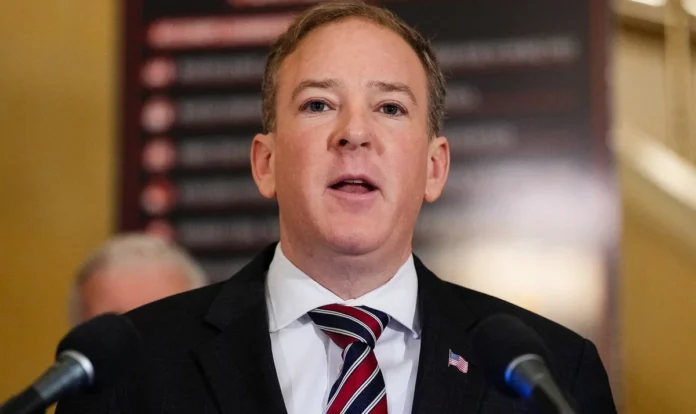
President Donald Trump and Environmental Protection Agency Administrator Lee Zeldin announced Thursday that the administration is rolling back Biden-era refrigerant regulations as part of a broader effort to reduce costs for consumers and businesses. Administration officials said the changes are intended to lower grocery and energy costs by easing EPA rules affecting refrigeration systems used by grocery stores, restaurants, transportation companies, and homeowners.
Trump, joined by EPA Administrator Zeldin and executives from major grocery chains for the Oval Office announcement, is extending deadlines for supermarkets and businesses to phase out the use of hydrofluorocarbons — considered harmful, planet-warming pollutants used for refrigeration and air conditioners. The EPA is also expected to revise a 2024 program to exempt road refrigerant appliances — used to transport goods — from leak requirements for hydrofluorocarbons.
The EPA described the two actions as a final rule revising the Biden administration’s 2023 Technology Transitions Rule and a proposed technical fix to the 2024 Emissions Reduction and Reclamation rule. Together, the Biden-era rules, the agency argued, had significantly increased grocery prices and the cost of transporting refrigerated goods to grocery stores and restaurants.
Administration officials and grocery industry leaders argued the Biden-era rules would have forced some businesses to replace entire refrigeration systems at high cost. Trump called the regulations “ridiculous, unnecessary and costly.” The White House estimates the changes will generate $900 million in savings, including roughly $800 million tied to grocery costs. Officials also said the rollback would help protect approximately 350,000 supermarket-related jobs.
The Air-Conditioning, Heating and Refrigeration Institute criticized grocery store chains that pushed for this rollback, arguing it would raise prices by reducing the supply of existing refrigerants. The group’s president, Steven Yurek, stated: “This was never a rule forcing stores to replace existing equipment. It was a rule for new equipment. The EPA has no analysis showing that delaying these dates will lower costs for consumers.”
Why It Matters
Inflation and grocery costs have become the defining economic vulnerability for both the White House and Republican candidates heading into the midterms. Thursday’s announcement is the latest in a string of efforts by the White House to try and lower consumer costs amid persistent inflation and affordability concerns — an issue that has become a glaring concern for Republicans ahead of the November midterm elections. Whether or not the rollback delivers measurable savings, the political symbolism of a president standing in the Oval Office with grocery executives and promising lower food prices is calculated to resonate with voters.
The credibility of those claims, however, is in dispute. Rolling back the regulations is highly unlikely to lower grocery prices for everyday consumers, according to analysis published Thursday. The regulations in question govern what equipment businesses must purchase going forward, not what they currently operate — meaning compliance costs are incremental and spread over years, rather than immediate charges that feed directly into shelf prices.
This action also sits within a much broader deregulatory pattern at the EPA under the Trump administration. EPA Administrator Zeldin has said the regulatory relief plan would put a “dagger through the heart of climate change religion,” framing the deregulatory agenda in terms that go well beyond cost savings and signal a fundamental philosophical realignment of the agency’s mission. This framing matters for how Congress, courts, and the public interpret individual actions like Thursday’s refrigerant rule.
For policymakers, the action represents a real trade-off between near-term business cost relief and long-term environmental commitments. Hydrofluorocarbons are among the most potent greenhouse gases by unit, and the international community — including U.S. trading partners — has made phasing them out a central element of global climate frameworks.
Economic and Global Context
The actions would affect grocers, semiconductor manufacturers, and other companies that use hydrofluorocarbons, which are potent greenhouse gases used in refrigeration and air conditioning systems. The compliance requirements stem from a 2023 EPA rule aimed at reducing emissions of the superpollutants. The Trump administration has rolled back nearly every regulation targeting a reduction of greenhouse gas emissions.
The global context for this move is complicated. The United States had signed onto the Kigali Amendment to the Montreal Protocol, which sets international timelines for phasing down HFC production and use. By extending compliance deadlines domestically, the U.S. risks falling out of step with allied nations and triggering trade friction with the European Union, which has implemented its own ambitious HFC reduction schedule. American exporters in refrigeration and HVAC sectors could face market access complications.
The semiconductor industry, which uses HFCs in manufacturing processes, represents an additional economic dimension. Any shift in the regulatory timeline for these chemicals affects capital expenditure planning across a strategically critical sector — one that Congress and the administration have otherwise prioritized through domestic investment incentives. The interplay between these policy threads is an emerging area of concern for industry planners.
The EPA last week also proposed weakening wastewater limits for coal-fired power plants, saying the changes would lower electricity costs, indicating that Thursday’s refrigerant action is part of a sustained sequence of deregulatory moves rather than a one-off announcement. Markets and industrial sectors are now factoring in a regulatory environment that may remain significantly looser through the end of Trump’s term.
Implications
For grocery chains, the extended timelines ease near-term capital budgeting pressure, though industry analysts note the savings will be most meaningful for large retailers planning significant refrigeration infrastructure upgrades. Smaller independent grocers, who operate older equipment and are less likely to be replacing systems in the near term, may see little practical benefit from the timeline extension.
For environmental advocates and allied governments, the rollback represents another data point in a global debate about whether the United States remains a reliable partner in international climate agreements. Legal challenges to the rule are expected from environmental organizations, which will likely argue that the EPA lacks the legal authority to selectively suspend compliance timelines set by statute.
For the Republican Party, the event was a clean political moment — a president in the Oval Office, flanked by business leaders, promising lower grocery bills. How that message cuts with voters will depend heavily on whether food prices actually move in the coming months, a dynamic driven more by the Iran conflict’s effect on fuel costs than by refrigerant regulations.
The announcement also sets up a broader electoral contrast. Democrats will argue the rollback is a giveaway to large corporations at the expense of the climate, while Republicans will argue it demonstrates the administration’s commitment to cutting regulatory burdens that drive up the cost of everyday necessities for working families.
Source
Trump rollbacks on Biden-era refrigerant rules unlikely to save consumers money